- Aasiya Niaz
- 1 Hour ago
Iran signals flexibility ahead of fresh nuclear talks with Washington
-

- Web Desk
- Feb 16, 2026
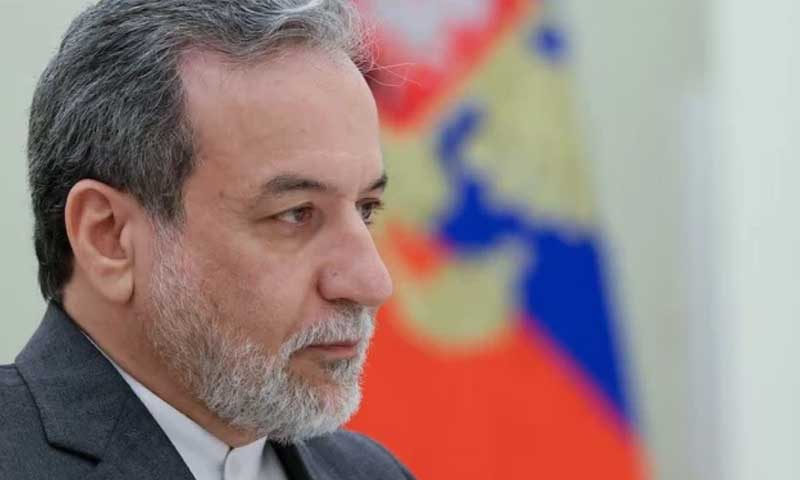
WEB DESK: Iran has indicated a measure of flexibility as it prepares for a second round of indirect nuclear negotiations with the United States in Geneva on Tuesday February 17. The talks, mediated by Oman, follow an initial round held in Muscat on 6 February after months of diplomatic deadlock over Tehran’s nuclear programme.
Iran’s Foreign Minister, Abbas Araghchi, departed Tehran on Sunday to lead the delegation. During his visit to Geneva, he is expected to consult Swiss and Omani officials, as well as Rafael Grossi, Director General of the International Atomic Energy Agency, alongside other international interlocutors. The consultations underline Tehran’s stated willingness to pursue diplomatic avenues amid protracted disputes concerning its nuclear activities.
A notable signal of potential compromise lies in Iran’s readiness to discuss its stockpile of more than 400 kilograms of uranium enriched to 60 percent purity. In exchange, Tehran is seeking relief from extensive American sanctions that have weighed heavily on its economy. Deputy Foreign Minister Majid Takht-Ravanchi told the BBC that Iran could consider diluting its most highly enriched uranium or allowing enhanced international oversight, while firmly rejecting any commitment to zero enrichment within its territory. “If we see the sincerity on their part,” he said, referring to Washington, “I am sure we will be on a road to have an agreement.”
Tehran has also emphasised the economic dimension of any prospective accord. Deputy Foreign Minister for Economic Diplomacy Hamid Ghanbari told the Fars News Agency that a durable agreement should yield tangible benefits for both sides, potentially opening the way for American investment in Iran’s energy, mining and aviation sectors. For the arrangement to be viable, he argued, the United States must also stand to gain in areas offering swift economic returns.
The renewed diplomatic effort comes amid heightened regional tension. The United States has deployed additional military assets to the Middle East, including a second aircraft carrier, in anticipation of a possible collapse in talks. Secretary of State Marco Rubio has voiced support for negotiations while acknowledging the obstacles to a comprehensive deal.
Meanwhile, Benjamin Netanyahu has maintained a sceptical stance, insisting that any agreement must dismantle Iran’s nuclear infrastructure entirely and remove enriched uranium from the country. Reports suggest that President Donald Trump assured Netanyahu last December of support for Israeli action against Iran’s ballistic missile programme should diplomacy falter.
The American delegation to Geneva is expected to include envoys Steve Witkoff and Jared Kushner. While both sides appear to be cautiously probing the scope for compromise particularly regarding uranium stockpiles and sanctions relief fundamental differences endure, notably Tehran’s refusal to link the nuclear file to its ballistic missile capabilities or regional posture.
These Oman-mediated discussions represent a critical juncture in a decades-long standoff. Whether they yield substantive progress may prove decisive for stability across the Middle East.
You May Also Like