- Web Desk
- 7 Minutes ago
Iran signals possible passage for Japanese-linked ships through Hormuz
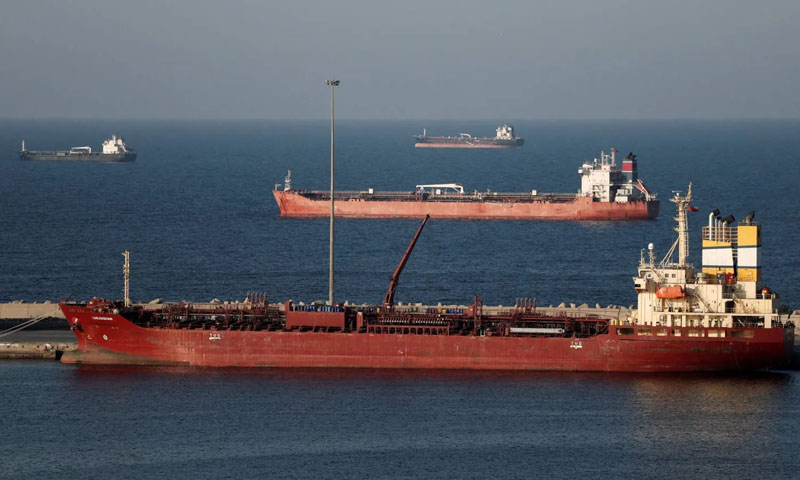
TOKYO: Iran has indicated it may allow Japanese-linked vessels to move through the Strait of Hormuz, offering a possible opening for Tokyo as it scrambles to protect energy supplies threatened by the continuing conflict in the Gulf. According to Kyodo, Iranian Foreign Minister Abbas Araqchi said Tehran had begun discussions with Japan over the possibility of permitting such transit through the waterway, one of the world’s most critical oil chokepoints.
The reported offer carries major significance for Japan, which depends heavily on Middle Eastern crude and receives a large share of those shipments through Hormuz. The strait has been severely disrupted during the ongoing U.S.-Israeli war on Iran, sending oil prices higher and forcing governments, including Japan’s, to tap emergency reserves to steady supplies.
Japanese ministries and the prime minister’s office did not immediately comment publicly on the report, according to Reuters. But any easing of access for Japanese shipping would be closely watched in Tokyo, where officials are weighing how to secure fuel imports without crossing the legal and political limits that shape Japan’s military role overseas.
Energy pressure and a fragile opening
The Strait of Hormuz, lying between Iran and Oman, handles roughly a fifth of global oil and gas flows, making any disruption there a global economic concern. Since the conflict escalated, commercial shipping has faced mounting danger, with vessels halted, crews stranded and governments pushing for safer passage in and out of the Gulf.
Japan has been particularly exposed. Reuters previously reported that major Japanese shipping companies suspended or sharply limited operations around Hormuz after U.S. and Israeli strikes on Iran, citing risks to crew and cargo. That made the prospect of an Iran-backed exemption for Japanese-linked vessels especially important, even if it remains unclear how broad such access would be or how quickly it could be implemented.
The humanitarian and commercial pressure has also widened beyond Japan alone. Earlier this week, several countries including Japan backed a proposal at the International Maritime Organization for a safe maritime corridor to help free thousands of seafarers stranded by the crisis. That effort reflected growing alarm over the dangers posed by the standoff and the broader fallout for global trade and energy markets.
Tokyo balances alliance demands and legal limits
The issue has also become entangled in Japan’s alliance management. U.S. President Donald Trump has pressed allies to do more to secure the waterway, and the matter came up during his meeting with Japanese Prime Minister Sanae Takaichi in Washington this week. Takaichi later said she had explained to Trump what support Japan could and could not provide under its domestic legal framework.
Tokyo has so far stopped short of committing naval escorts. Takaichi said earlier this week that Japan had made no decision to send warships and was still examining what actions were possible under the law. Japan’s postwar constitution sharply constrains overseas military action, though later security legislation created narrow conditions under which force could be used if the country’s survival were judged to be under threat.
For now, Iran’s apparent willingness to discuss passage for Japanese-linked ships offers Tokyo a possible diplomatic route through a widening crisis. But with the war still ongoing and navigation in the Gulf deeply uncertain, any practical reopening for Japanese vessels is likely to remain contingent on fast-moving military and political developments
You May Also Like