- Web Desk
- 9 Minutes ago
Iran strike on Saudi airbase injures 12 US service members
-

- Web Desk
- 1 Minute ago
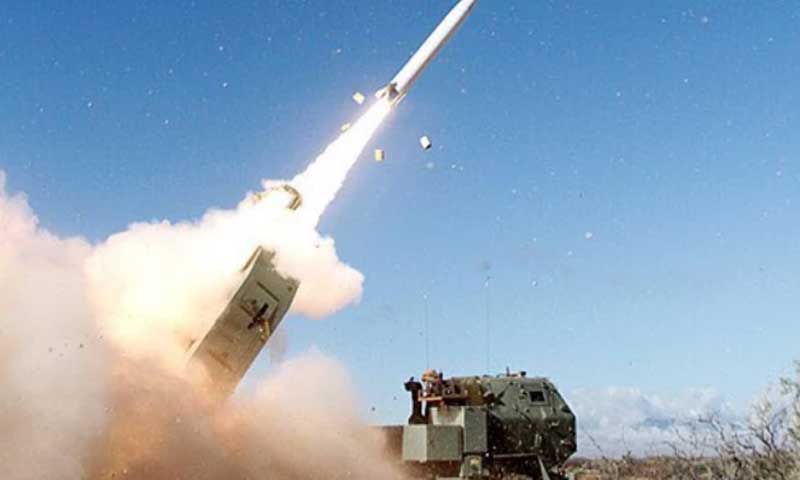
WEB DESK: A sophisticated Iranian missile and drone assault on the Prince Sultan Air Base in Saudi Arabia has left 12 US service members wounded, marking a dangerous escalation as the month-long conflict between the US-Israeli coalition and Tehran enters a volatile new phase.
The attack, which occurred on Friday, involved a coordinated barrage that bypassed regional air defences to strike the strategic installation.
According to US officials, at least two of the personnel sustained serious shrapnel wounds, while others were “impacted” by the blasts.
Beyond the human cost, the strike successfully targeted coalition aviation assets, with at least one aerial refuelling aircraft confirmed damaged.
This development comes amidst a broader wave of hostilities; on Saturday, Israel reported it was actively “defending” against fresh Iranian missile volleys while simultaneously conducting strikes across Tehran, hitting residential units, steel factories, and a power plant.
Economic fallout and the “Hormuz Factor”
The military escalation has sent shockwaves through global markets, with Brent crude oil prices surging past $112, a 50pc increase since the war erupted on 28 February.
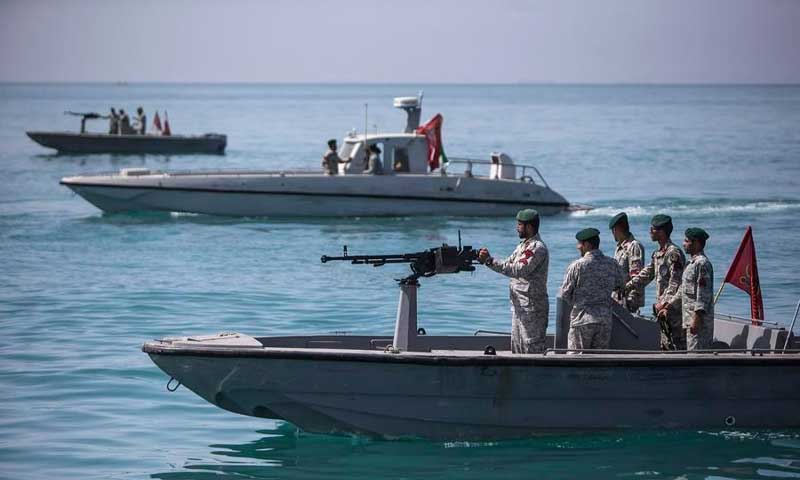
The continued blockage of the Strait of Hormuz remains a primary driver of this volatility, prompting US Secretary of State Marco Rubio to call on international allies to contribute more to securing the vital maritime choke point.
In the United States, the political stakes are rising alongside fuel prices; diesel in California has hit a record average of $7.17 a gallon.
Despite President Donald Trump’s rhetoric regarding “productive negotiations” and a 10-day deadline for Iran to reopen the strait, Tehran has dismissed claims of diplomatic talks, with Foreign Minister Abbas Araghchi vowing that Iran will “exact a heavy price” for the latest strikes on its industrial and nuclear infrastructure.
Allied friction and shifting military footprints
As the conflict widens, significant cracks have appeared in traditional Western alliances. President Trump has publicly questioned the future of US commitment to NATO, citing a lack of support from European allies who have largely remained on the sidelines.
“Why would we be there for them if they’re not there for us?” Trump remarked during a forum in Miami, suggesting that the “attack on one is an attack on all” principle may be under review.
Despite this diplomatic friction, the Pentagon is moving to strengthen its regional posture, dispatching thousands of Marines aboard amphibious assault ships and preparing to deploy elite airborne units.
While Washington maintains these forces are intended to provide “maximum optionality” rather than a prolonged ground war, the intensifying strikes on both sides suggest a diplomatic resolution remains elusive.
You May Also Like