- Web Desk
- 6 Minutes ago
Iran tells countries to engage in dialogue if they want to use Strait of Hormuz
-

- Web Desk
- 2 Minutes ago
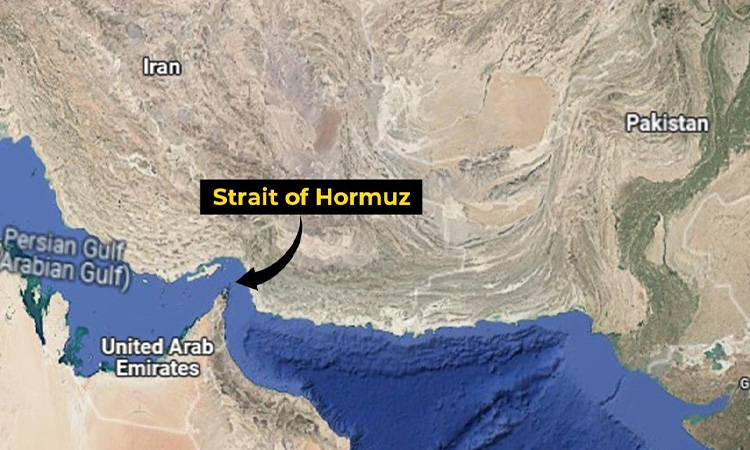
Iran has said Japanese vessels will be allowed to pass through the Strait of Hormuz, with Foreign Minister Abbas Araqchi stating that Tehran has not fully shut the strategic waterway and that restrictions apply only to hostile states and those involved in attacks.
According to the statement, ships from other countries can continue using the passage, while Iran is also engaged in discussions over establishing a safe route through the strait. Araqchi further said countries seeking to use the Strait of Hormuz should remain in contact with Iran. The remarks suggest Tehran is trying to present its restrictions as selective rather than a blanket closure, even as tensions around one of the world’s most critical oil and shipping routes continue to rise.
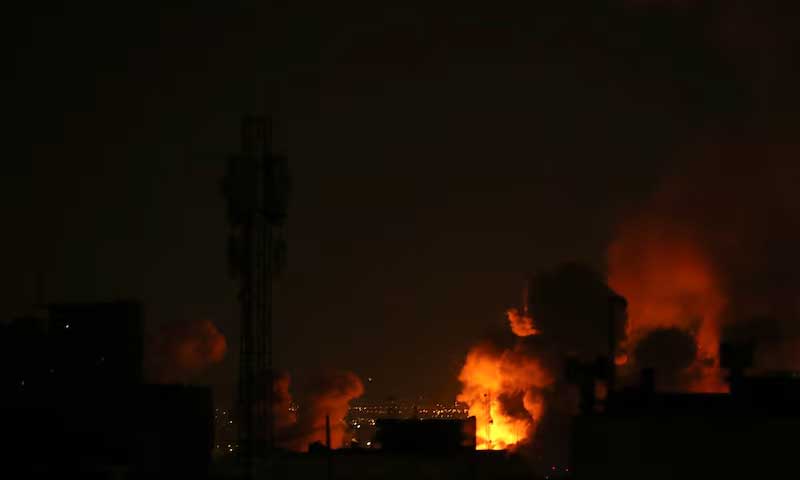
Earlier Israel and Iran traded fresh strikes earlier as the United States moved to strengthen its military posture in the Middle East, adding to fears that the conflict is expanding into a wider regional war. The latest escalation comes as Washington prepares to deploy 2,500 Marines to the region, oil prices remain under pressure, and tensions continue to build around the Strait of Hormuz, one of the world’s most important routes for energy shipments.
The conflict has also widened beyond the two main adversaries. In Lebanon, Israel said it targeted Hezbollah-linked positions in Beirut after ordering evacuations in seven neighbourhoods in the southern suburbs of the capital. The strikes signalled a further intensification of the war’s regional fallout, with Lebanon increasingly drawn into the confrontation as Hezbollah steps up support for Tehran.
Beirut drawn deeper into regional conflict
The strikes on Beirut’s southern suburbs mark one of the clearest signs yet that the war is no longer confined to direct exchanges between Israel and Iran. Israel has increasingly linked Hezbollah to the broader battlefield, and the latest operation suggests it is prepared to hit deeper into Lebanese territory as the fighting continues.
The spillover has already exacted a heavy cost. According to the report, more than 1,000 people have been killed in Lebanon and over one million displaced since Hezbollah entered the conflict earlier this month in support of Iran. That has turned Lebanon into the deadliest secondary front of a war that was already threatening to destabilise the wider Middle East.
US troop buildup adds to fears of wider war
At the same time, the United States is increasing its military presence in the region, a move that reflects growing concern in Washington that the situation could deteriorate further. The planned deployment of 2,500 Marines signals that the US is preparing for a prolonged and potentially more dangerous phase of the conflict, even as it tries to deter further escalation.
With Israel and Iran continuing to exchange attacks, Hezbollah more deeply engaged, and US forces moving into position, the crisis is taking on the shape of a broader regional confrontation. The combination of military escalation, rising oil prices and growing instability around major shipping lanes is raising the stakes well beyond the immediate battlefield, with consequences that could ripple across the global economy as well as the Middle East.
You May Also Like