- Web Desk
- 10 Minutes ago
Iran, US could reach deal if nuclear and non‑nuclear issues separated: official
-

- Web Desk
- Feb 26, 2026
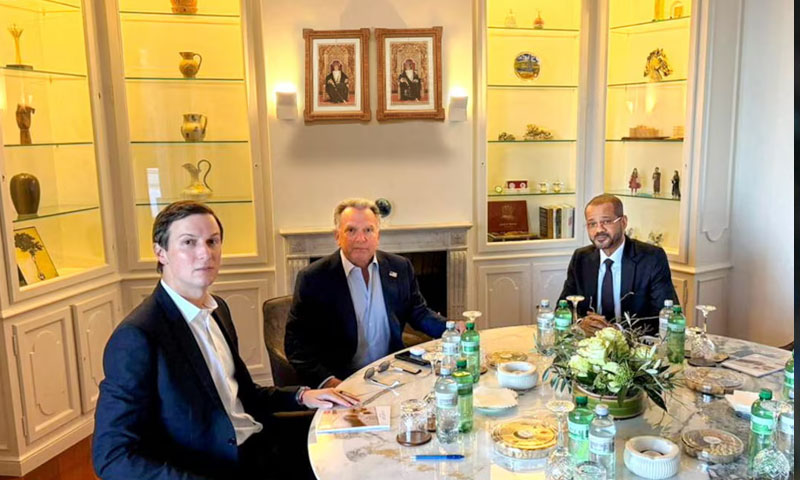
GENEVA: The United States and Iran could reach a framework agreement if Washington separates nuclear and non-nuclear issues, a senior Iranian official said, adding that remaining differences need to be narrowed during the third round of talks in Geneva.
The official, speaking on condition of anonymity, described the negotiations as intense and serious. Iran has emphasised that its right to nuclear energy for peaceful purposes must be recognised and that sanctions should be lifted.
Iran and the US are holding indirect talks in Geneva to resolve their long-running nuclear dispute, after President Donald Trump ordered a major military build-up in the region. Washington has long sought to link the talks to other issues, including Iran’s missile programme and its support for armed groups in the region, but Tehran insists the negotiations focus solely on nuclear issues and sanctions.
Mediator Oman expressed hope for progress, saying negotiators exchanged “positive and creative ideas” and would resume talks later in the day. Omani Foreign Minister Sayyid Badr Albusaidi said, “We hope to make more progress,” without providing details.
Ballistic missiles remain a challenge
US Secretary of State Marco Rubio described Iran’s refusal to discuss its ballistic missile programme as a “big problem” that would eventually need to be addressed. “If you can’t make progress on the nuclear programme, it will be hard to make progress on ballistic missiles,” Rubio said, warning that Iran’s missiles are “designed solely to strike America” and threaten regional stability.
Iranian Foreign Ministry spokesperson Esmaeil Baghaei said Tehran enters the talks with “seriousness and flexibility,” focused on nuclear issues and lifting sanctions. US Special Envoy Steve Witkoff and Jared Kushner have been negotiating indirectly with Iranian Foreign Minister Abbas Araqchi.
President Trump, while preferring diplomacy, has warned that he would not allow Iran to acquire a nuclear weapon. He ordered the deployment of fighter jets and aircraft carrier strike groups in the region to pressure Iran, while several countries have begun withdrawing diplomatic personnel or advising citizens to avoid travel.
Pressure at home and abroad
The US military presence has raised fears of a wider regional conflict. The USS Gerald R. Ford aircraft carrier has left port near Crete and is expected near northern Israel on Friday, accompanied by around a dozen F-22 fighter jets, in a first-time wartime deployment of US combat aircraft to Israel.
Iranian negotiators have reiterated their commitment to a fair and swift deal while refusing to give up their right to peaceful nuclear technology. Supreme Leader Ayatollah Ali Khamenei faces mounting domestic challenges as the economy struggles under sanctions and renewed protests continue following the January unrest.
President Masoud Pezeshkian underlined that Khamenei has banned weapons of mass destruction, reiterating a fatwa from the early 2000s, saying it “clearly means Tehran will not develop nuclear weapons.”
You May Also Like