
- Web
- 2 Hours ago
Iranian Missile strike hits Qatar gas hub, shakes global energy markets
-

- Web Desk
- Mar 19, 2026
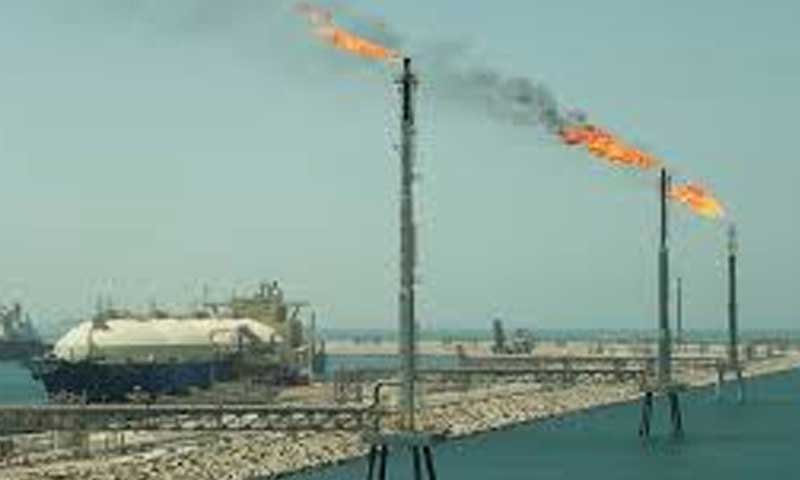
WEB DESK: The global energy landscape faced a seismic shift today following a severe military escalation in the Middle East. Between the late hours of March 18 and the early morning of March 19, 2026, the Ras Laffan Industrial City the world’s premier hub for Liquefied Natural Gas (LNG) was targeted by two waves of Iranian ballistic missile strikes.
The attacks, occurring less than 12 hours apart, specifically aimed at the heart of Qatar’s energy infrastructure.
While the scale of the strikes initially sparked fears of a humanitarian disaster, official statements from the Qatari Ministry of Interior have confirmed that there were no casualties, thanks to rapid emergency response protocols and preemptive evacuations of non-essential personnel.
Extensive infrastructure damage and qatarEnergy’s response
In a formal statement released shortly after the second wave of strikes, QatarEnergy confirmed that the facility sustained “extensive damage.” Impact reports highlight that the Pearl GTL (Gas-to-Liquids) plant and several primary storage units bore the brunt of the kinetic strikes. Witnesses reported seeing sizeable fires lighting up the horizon from over 30 kilometers away.
Although emergency teams have since contained the blazes, cooling operations remain active to prevent secondary explosions. The temporary suspension of operations at several berths has sent an immediate shockwave through international markets, as Ras Laffan accounts for nearly 20% of the global LNG supply, leaving major importers in Europe and Asia scrambling for alternative energy sources.
Geopolitical fallout and the threat to regional security
The strikes represent a historic breach of Qatari sovereignty and a dangerous expansion of the ongoing regional conflict. In a swift diplomatic retaliation, the Qatari government has declared all Iranian military and security attachés persona non grata, demanding their departure within 24 hours.
The international community has responded with heightened alarm; the U.S. administration issued a stern warning, suggesting that further aggression against Qatari energy assets would result in “massive” reciprocal measures against Iranian gas fields.
As the situation evolves, the focus shifts to the resilience of global supply chains and the potential for a wider maritime blockade that could paralyze the Strait of Hormuz, further destabilizing the fragile balance of global energy security.
You May Also Like