- WEB DESK
- September 14, 2026
Iran’s FM Araghchi says no military solution as Hormuz tensions persist
-

- Zoya Anwer
- May 5, 2026
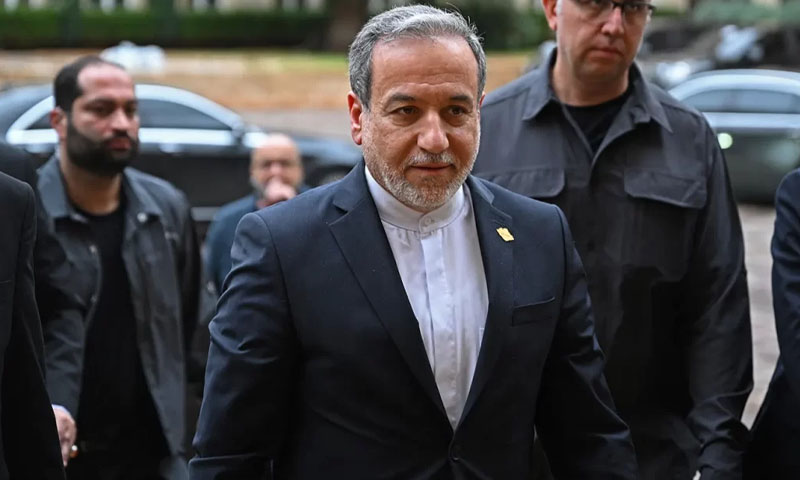
Events in the Strait of Hormuz highlight the absence of a military solution to an ongoing political crisis, Iran’s Foreign Minister Abbas Araghchi said, as he cautioned against renewed escalation despite ongoing diplomatic efforts involving Pakistan.
In a statement posted on X, Araghchi said recent developments in the strategic waterway, a key global oil transit route, demonstrate that force cannot resolve entrenched political disputes. His remarks come as talks aimed at de-escalation are reportedly making progress, with Pakistan playing a mediatory role.
He urged the United States and regional actors, including the United Arab Emirates, to exercise restraint, warning that “ill-wishers” could attempt to draw them back into a protracted conflict.
“As talks are making progress with Pakistan’s gracious effort, the US should be wary of being dragged back into a quagmire,” he said, adding that the UAE should also avoid being pulled into renewed tensions.
Araghchi further criticised what he referred to as “Project Freedom,” calling it “Project Deadlock” and cautioning that such approaches risk prolonging instability rather than resolving the crisis.
His comments reflect Tehran’s continued emphasis on diplomacy amid heightened tensions in and around the Strait of Hormuz, a region that remains central to global energy security and geopolitical stability.
Iran’s nuclear timeline unchanged despite war, US intel says
United States intelligence officials assess that Iran’s nuclear capabilities have not been significantly degraded by the ongoing conflict, with the estimated timeline for developing a nuclear weapon remaining largely unchanged, according to a Reuters report on Tuesday.
Citing sources familiar with the latest assessments, the report said Iran could still produce a nuclear weapon within roughly nine months to one year if it chose to do so, similar to estimates from last year. The conflict, initiated under Donald Trump in part to curb Tehran’s nuclear ambitions, has primarily targeted conventional military infrastructure rather than core nuclear assets.
While Israel has struck some nuclear-linked facilities, US operations have largely focused on weakening Iran’s broader defence capabilities. Experts say any meaningful delay would likely require neutralising Iran’s stockpile of highly enriched uranium, much of which remains unaccounted for. The International Atomic Energy Agency estimates Iran possesses enough material for up to 10 nuclear weapons if further enriched.
Earlier attacks on sites such as Natanz and Fordow caused setbacks, but analysts believe deeply buried reserves have limited the impact of recent strikes. Tehran continues to deny seeking nuclear weapons, insisting its programme is peaceful.
You May Also Like


- WEB DESK
- September 14, 2026