Iran’s supreme leader Ayatollah Khamenei blames Trump for deaths, destruction in country
-

- Web Desk
- Jan 17, 2026
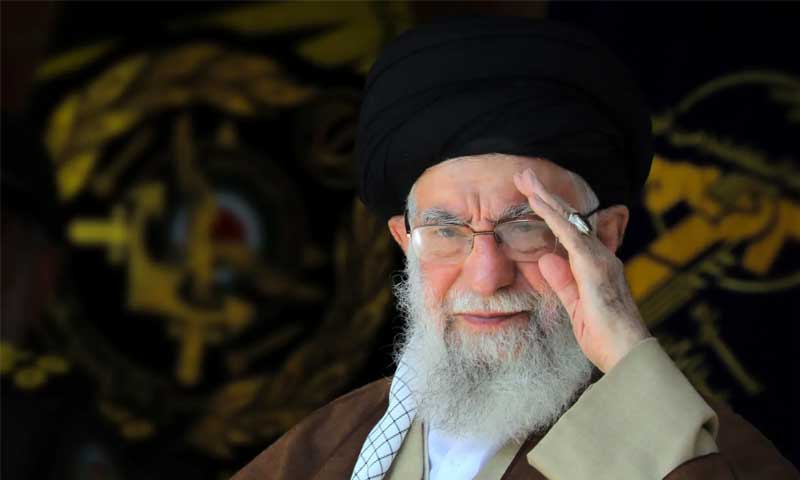
WEB DESK: Iran’s Supreme Leader Ayatollah Ali Khamenei has accused the U.S. president Donald Trump of being directly responsible for loss of life, destruction and what he described as sustained defamation against Iran.
In remarks reported by Iranian media, Khamenei alleged that the Trump was personally involved in an anti-Iran conspiracy and had played a direct role in actions aimed at destabilising the country.
He said U.S. interference had worsened the situation inside Iran and caused harm to the Iranian people, rather than contributing to stability or dialogue. According to the supreme leader, external intervention had intensified existing challenges and added to the suffering of civilians.
The comments come amid heightened tensions between Tehran and Washington following recent unrest in Iran and sharp rhetoric from both sides. Iranian officials have repeatedly accused the United States of fuelling internal instability, allegations Washington has denied.
The United States has maintained that its policies toward Iran are focused on curbing what it describes as Tehran’s destabilising regional activities, while supporting the rights of the Iranian people. However, Iranian leaders continue to reject these claims, portraying U.S. actions as hostile interference.
The latest remarks signal no immediate easing of tensions, as both countries continue to trade accusations against the backdrop of an already volatile regional and diplomatic environment.
Dar–Araghchi call amid regional uncertainty
Foreign Minister Ishaq Dar held a telephone conversation with his Iranian counterpart Seyed Abbas Araghchi, during which the two discussed the evolving regional and international situation. According to Pakistan’s Ministry of Foreign Affairs, the call focused on issues of mutual interest, with both sides agreeing to remain in close contact and continue consultations. Dar conveyed Pakistan’s goodwill and best wishes for peace and stability in Iran, underscoring Islamabad’s emphasis on dialogue and cooperation amid mounting regional challenges.
Calm returns after protests, but tensions persist
The diplomatic exchange comes as Iran experiences a fragile calm following weeks of nationwide protests that erupted on December 28 over economic hardship and quickly escalated into a challenge to the ruling system. A heavy security crackdown has since quelled visible demonstrations, particularly in Tehran, where daily life has largely resumed despite an ongoing internet shutdown. Iranian authorities have reported no fresh unrest in recent days.
Cleric’s call for executions raises alarm
Despite the lull on the streets, tensions within Iran’s leadership remain acute. Senior hard-line cleric Ahmad Khatami used a Friday sermon to call for the execution of detained protesters, accusing them of acting on behalf of Israel and the United States. His remarks, broadcast on state radio, drew chants from worshippers and heightened international concern over the government’s response to dissent.
Trump signals restraint, global concern grows
Trump, who had earlier warned of possible action, adopted a more restrained tone, thanking Iranian leaders for not carrying out mass executions. Human rights groups, however, estimate the death toll at around 3,090, a figure not independently verified. Iran has released no official casualty numbers. The situation has prompted diplomatic engagement by other powers, including talks involving Russian President Vladimir Putin.
Opposition presses on from abroad
Meanwhile, exiled opposition figure Reza Pahlavi has urged Iranians to resume protests, even as demonstrations inside the country appear suppressed. Protests by the Iranian diaspora across Europe continue, highlighting that while unrest at home has subsided for now, political pressure on Tehran persists internationally.
You May Also Like