- Web
- 34 Minutes ago
Is India’s Instagram’s ‘19-minute viral video’ frenzy a warning sign of deeper cyber risks?
-

- Web Desk
- Dec 04, 2025
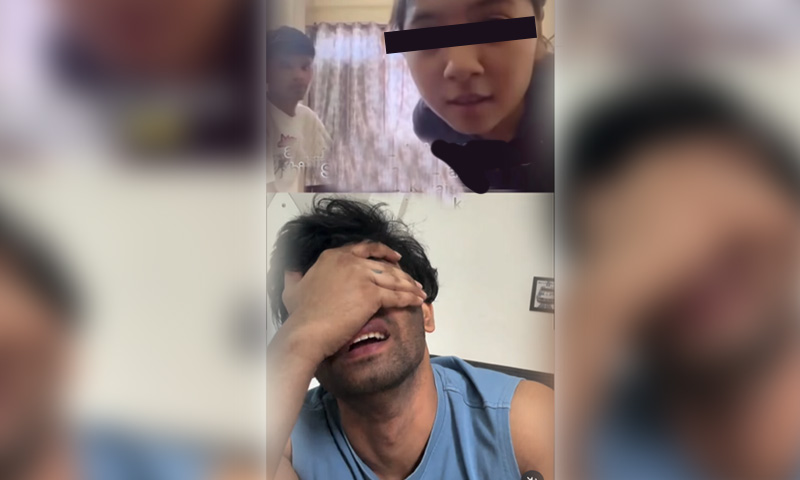
WEB DESK: Imagine you read the words ‘viral video’, chances are that you would click to find out more about it. The reasoning may sometimes be just pure curiosity that drives many but other times it may be more sinister. This was witnessed last week when Instagram’s ‘19-minute viral video‘ started trending in India.
The search term “instagram viral videos 19 minutes video” had suddenly shot up across both Google and Instagram, gaining traction far outside India. But at the centre of the frenzy was nothing concrete, no verifiable clip, just reaction reels, memes, vague screenshots and creators theatrically alluding to a video that no one can actually prove exists. One line, repeated endlessly in Reels, teases viewers by saying, “If 19 minutes 34 seconds shocked you, you haven’t seen anything yet.” The vague warning has amplified curiosity and fear of missing out, even as self-proclaimed “viewers” refuse to explain what the supposed video contains.
The lack of actual footage has instead sparked a chaotic guessing game. Several women whose pictures resemble the circulating images have been mistakenly dragged into the rumour mill, with their comment sections filling up with mockery, emojis and suggestive questions. One creator even posted a playful clarification distancing herself from the rumour, only to watch her follower count surge as more people flocked to her profile. Others have reported similar spikes, saying the trend boosted their reach despite their repeated denials.
However, cybersecurity specialists say the seemingly harmless joke is taking a darker turn. Dozens of fake profiles claiming to possess the “real 19-minute video” are appearing, with some demanding payment before sending the clip privately. Experts warn that these offers typically redirect users to phishing pages, malicious downloads or fake login screens designed to steal personal information.
Pakistan, also is not alien to such trends, rather it is not uncommon for celebrities, influencers and even politicians to fall prey to this. A few years ago former Railways Minister Azam Swati came under scrutiny when his private videos were leaked, and needless to say became a trend as well. Punjab’s current Information Minister Azma Bukhari’s fake videos were also circulated online while National Cyber Crime Investigation Agency (NCCIA) sprung to action to address it by arresting Pakistan Tehreek-e-Insaf (PTI) Falak Jawaid.
Laws and room for such ‘trends’
A trend meets India’s cyberlaw reality India’s cyberlaw ecosystem has become increasingly strict as online scams, impersonation cases and digital harassment grow. Agencies such as CERT-In, the country’s national cyber incident response body, routinely warn users against engaging with unverified links and have the authority to investigate misuse of digital platforms.
The IT Rules, 2013 mandate service providers to report breaches within six hours, a sign of how urgently the government views digital vulnerabilities. Similarly, regulators like TRAI and the Department of Telecommunications enforce strong consent and data-protection rules for telecom users — crucial, given that most phishing attempts in India originate via mobile or social platforms.
The Cyber Regulations Appellate Tribunal, meanwhile, adjudicates disputes involving misuse of electronic evidence, including cases of doctored or falsely attributed videos.
Experts say trends like the 19-minute-video frenzy expose a softer but equally important vulnerability: users’ instinct to click first and verify later.
“Scammers rely on curiosity,” one analyst notes. “If people believe there’s a leaked video, they drop their guard.”
How users can protect themselves
Cybersecurity specialists recommend three basic safeguards:
• Avoid paying or messaging anyone offering ‘exclusive’ videos, these are almost always scams.
• Do not click links from unknown accounts, even if they appear in group chats or DMs from familiar usernames (which may be hacked).
• Turn on two-factor authentication and regularly update passwords to reduce the risk of compromised accounts. Instagram has not commented on the trend, nor confirmed the existence or removal of any such 19-minute video.
What is real, however, is the way a non-existent clip has exploited curiosity, sparked impersonation of innocent creators, and created ripe ground for cyber fraud. The video may never have existed, but the risks surrounding it certainly do.
You May Also Like


- Web Desk
- 39 Minutes ago
Punjab to send home 20 more Afghan nationals