- Web Desk
- 22 Minutes ago
IS-K deemed more entrenched, deadlier than TTP after Islamabad probe
-

- Web Desk
- Feb 26, 2026
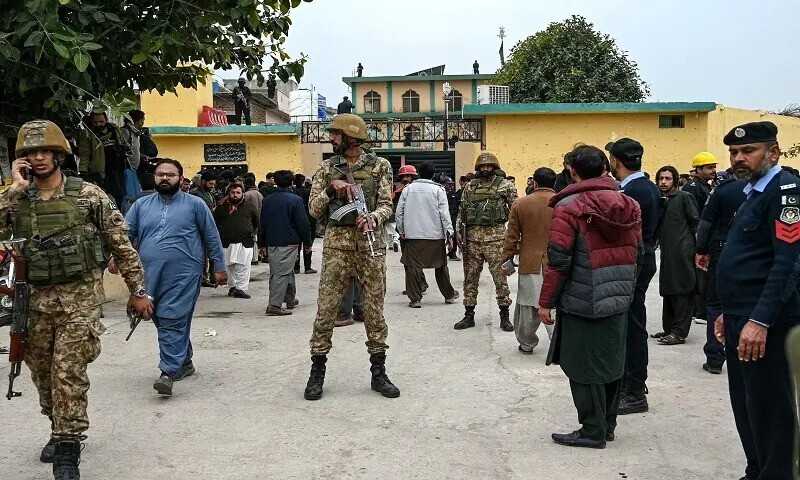
Security agencies have described the militant Islamic State-Khorasan (IS-K) as a more entrenched and capable threat than the banned Tehreek-i-Taliban Pakistan (TTP), following investigations into the Feb 6 bombing at an Islamabad imambargah.
As reported by Dawn, according to officials, intelligence and law enforcement personnel traced the suspected handlers of the attack within hours to a residence in Hakimabad, Nowshera, around 49 kilometres east of Peshawar. Acting on technical surveillance and geolocation data, a joint team surrounded the house later that evening and called on those inside to surrender.
During the operation, a man briefly indicated he would comply but instead opened fire with a 9mm pistol, killing an assistant sub-inspector and injuring two intelligence officials. He was shot dead in the ensuing exchange.
Authorities identified him as Yousaf alias Qasim, also known as Idrees, described as the IS-K regional head in Bajaur and the alleged handler of the imambargah suicide bomber. Officials said he carried a Rs12 million bounty.
Investigators believe the brief gun battle allowed other occupants to destroy mobile phones and communication devices before they could be seized.
Subsequent inquiries linked the cell to a series of high-profile attacks and targeted killings. These include the assassination of senior JUI-F leader Mufti Sultan Mahmood in October 2019, the July 30, 2021 suicide bombing at a JUI-F convention that killed more than 54 people, and the July 10, 2025 killing of ANP leader Maulana Khanzeb.
The group is also suspected of involvement in the killing of at least 15 policemen and the July 2, 2025 bombing that claimed the life of the Nawagai assistant commissioner. Investigators further allege that the network was behind the targeted killing of 20 individuals accused of lynching an IS-K operative.
Officials said the group had relocated multiple times, from Bajaur to Gujranwala and Lahore before moving to Nowshera — in an apparent attempt to evade detection.
Cross-border movement, crypto financing complicate crackdown
Security officials said Idrees, a tailor by profession, had remained on their radar but avoided arrest by frequently changing residences and travelling with women and children. The group allegedly avoided prolonged stays at rented properties and shifted locations without informing landlords.
Investigators have also highlighted the operational role of women within the network. Authorities claim that while the suicide bomber travelled to Afghanistan’s Kunar province in May 2025, female members of the group also crossed the border using altered travel documents.
One woman is alleged to have transported the suicide vest from Bajaur to Islamabad before handing it over to another accomplice.
Officials said preliminary findings suggest IS-K maintains links extending from Afghanistan to Central Asia and parts of the Middle East. The group is believed to use cryptocurrency for financial transactions and encrypted applications for communication, making detection more difficult.
Based on the scope of the investigation, authorities now assess IS-K as posing a greater threat than the TTP in terms of operational sophistication, compartmentalisation, ideological commitment and capacity for mass-casualty attacks.
You May Also Like