Is war starting to rattle Dubai’s property market as sales slow and discounts emerge?

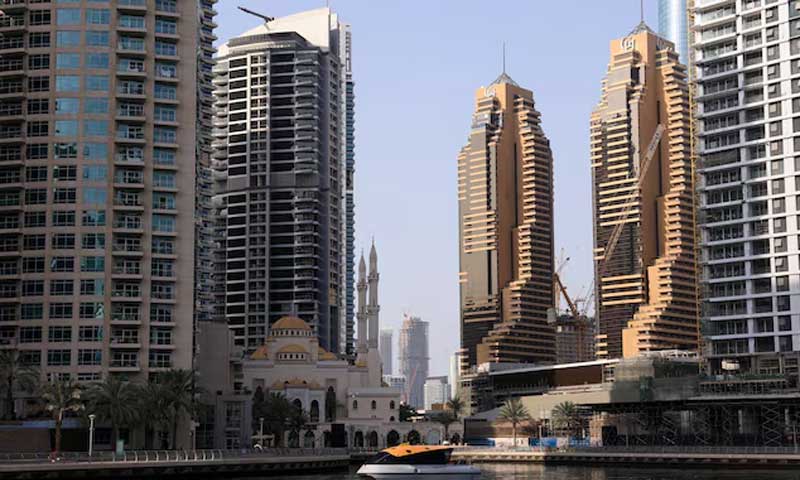
Dubai’s red-hot property market is beginning to show signs of strain as regional conflict unsettles investor confidence, cuts into transaction activity and prompts early price reductions in some segments of the market.
Nearly three weeks into the US-Israeli war on Iran, analysts and market participants are starting to detect a shift in sentiment in the emirate, long marketed as a haven of stability, luxury and tax-friendly wealth. The conflict, along with Iranian strikes targeting Israel, US bases and Gulf states including the UAE, has shaken that safe-haven image and introduced fresh uncertainty into one of Dubai’s most closely watched growth stories.
Sales volumes slide as confidence takes a hit
Recent market data points to a sharp drop in activity. Analysts at Goldman Sachs estimated that real estate transaction volumes in the UAE fell 37 per cent year-on-year during the first 12 days of March, and 49 per cent compared with the previous month. The total value of completed deals during the same period was also reported to be down by roughly half from February.
That decline appears steeper than the slowdown seen during earlier disruptions, including the Dubai floods of 2024 and the previous round of Iran-Israel tensions last June. Although median transacted prices were only modestly lower than a year ago, the fall in deal flow suggests buyers are turning more cautious as geopolitical risk rises.
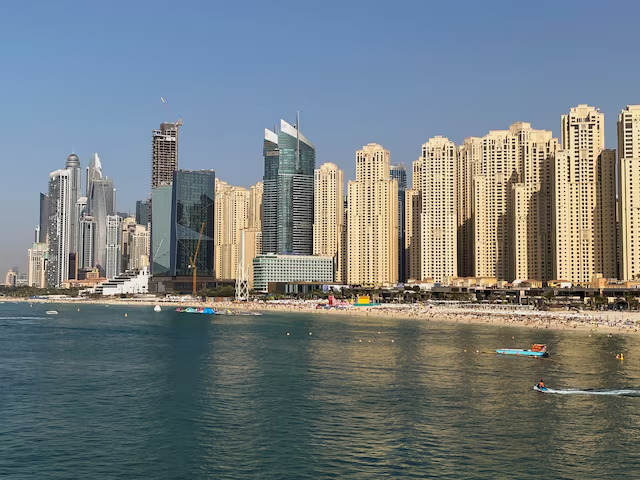
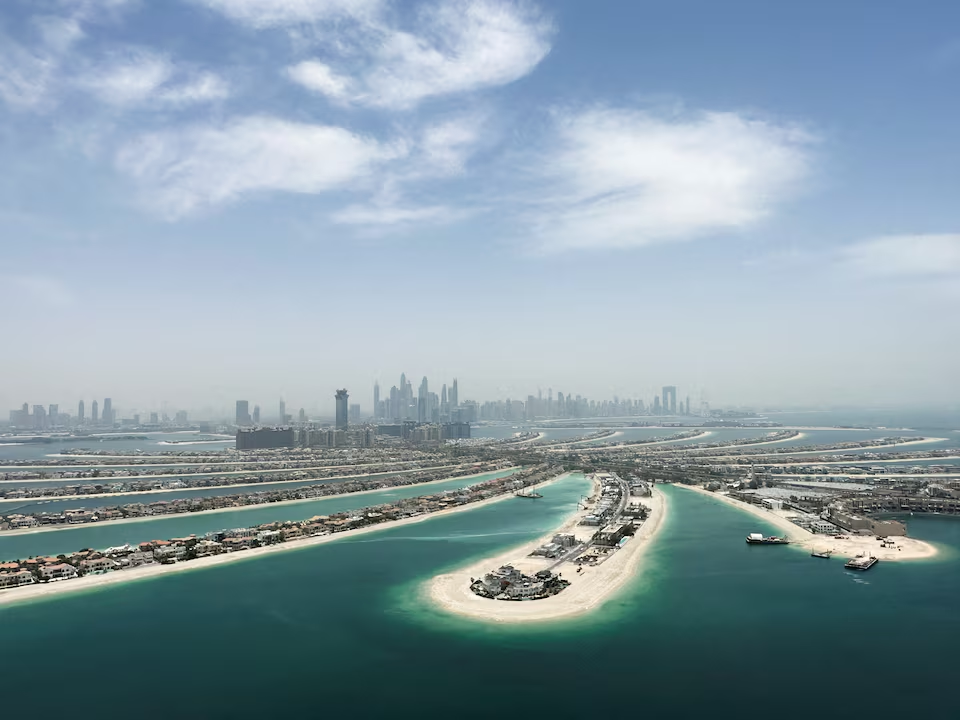
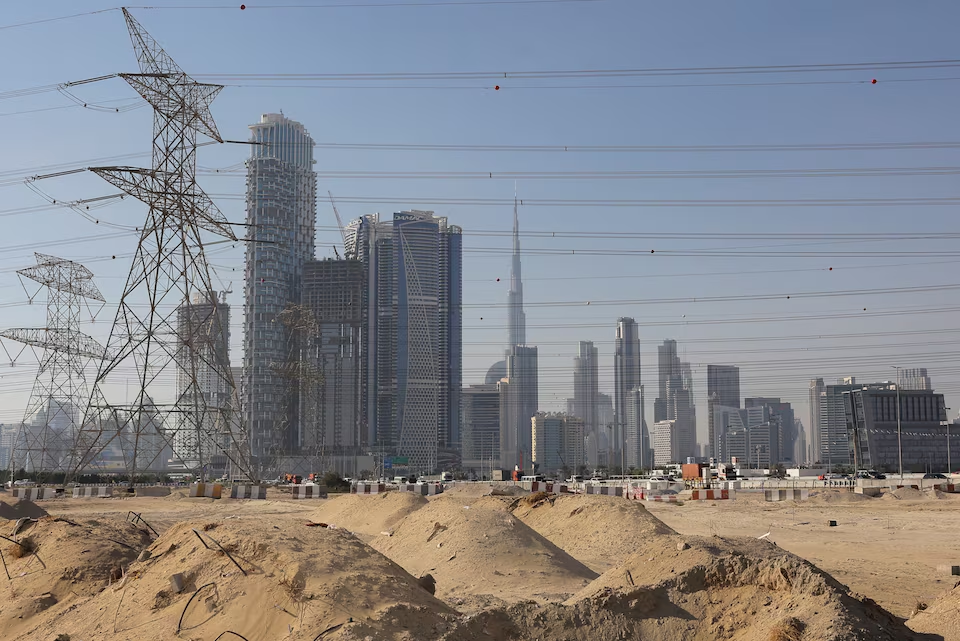
Some agents are already pointing to reduced asking prices. In a few cases reviewed by Reuters, sellers appeared willing to offer notable discounts to secure quick deals. One property near Burj Khalifa was reportedly being marketed for about $650,000, down from an earlier asking price of $735,000, with the reduction explicitly linked to the current situation. Another off-plan apartment on Palm Jumeirah was said to be offered at a 15 per cent discount, bringing its price to around $2 million.
Developer stocks have also come under pressure. Shares in Emaar Properties, the company behind Burj Khalifa and one of the biggest names in Dubai real estate, have fallen more than 26 per cent on the Dubai market since the war began.
Investors stay watchful, but activity has not frozen
The weakness comes at a delicate moment for Dubai property. Even before the latest crisis, there were questions about whether the market’s long boom was losing steam after around five years of persistent price growth. Demand had been boosted by an influx of wealthy migrants and foreign investors drawn by the UAE’s tax-free appeal, lifestyle offering and relative stability.
Now, some analysts are warning that war risk could disrupt one of the most important pillars supporting that growth: population expansion. Citi analysts said the conflict had introduced significant uncertainty around Dubai’s future population trajectory, since prolonged instability could make both homebuyers and investors think twice. They now expect just 1 per cent population growth this year, followed by annual growth of 2 to 2.5 per cent from 2027 to 2031, markedly below the roughly 4 per cent pace seen in recent years.
In their more pessimistic scenario, Citi sees Dubai property prices falling by an average of 7 per cent a year through 2028.
Even so, the market has not seized up. Some executives say buyers are still active and that not everyone is reacting to the conflict in the same way. Rather than retreat, certain investors are reportedly looking for distressed opportunities and discounted stock.
BlackOak founder Imran Sheikh said transaction activity was still continuing and argued that risk perception differs sharply from one investor to another. He said at least one client had already instructed his firm to move quickly if attractive buying opportunities emerged over the next month.
Others echoed that view, saying interest remains strong among buyers eager to snap up discounted assets. Dubai-based investment firm Asas Capital said some clients were already asking to be alerted if distressed sellers entered the market. Meanwhile, luxury deals have not vanished altogether. Developer Arada said a high-end off-plan residence on Palm Jumeirah, valued at roughly $25 million, was sold this week to former UFC champion Francis Ngannou.
For now, Dubai’s property market appears to be entering a more fragile phase rather than a full-blown downturn. Volumes are weakening, confidence has been dented and selective discounts are surfacing. But with buyers still active in parts of the market, the real test will be whether this is a temporary wobble or the start of a deeper correction.
You May Also Like