- Web Desk
- Mar 30, 2026
Islamabad Accord: Pakistan’s pivot from regional balancer to global peacemaker
Amid the high-stakes game of great-power politics where a single miscalculation can unleash flames in the entire region, the world was shocked to discover Pakistan’s diplomatic masterpiece. The “Islamabad Accord”, a two-phase framework to end the US-Iran war, is no mere mediation effort. Instead, it stands as a courageous and inherently risky showcase of Pakistani initiative, made possible by the behind-the-scenes diplomacy of Field Marshal Asim Munir.
Pakistan’s diplomatic masterstroke
It is precisely in this role as a pivotal balancing force between the warring powers that the Islamabad Accord assumes profound significance. It signals Islamabad’s bold and audacious bid to position itself as a decisive actor, capable not just of managing the crisis but of actively shaping its outcome.
Phase I requires an absolute cease-fire within hours of signing, with the critical condition being the immediate re-opening of the Strait of Hormuz. Given how dependent the global oil market has become on energy from the region, this is perhaps the greatest immediate benefit that this framework has promised.
Phase II provides a tight 15-to-20 day window during which a more comprehensive deal can be reached and signed in person. This phase is critical in ending the war through a binding agreement addressing its root causes.
However, what sets the Accord apart from an armistice is the substance of the “grand bargain” contained within the agreement itself. As reported by sources who have been privy to discussions surrounding the framework, the deal will require Iran to provide assurances to close down their nuclear weapons program in a credible manner. In return, Washington will ease both primary and secondary sanctions against the Islamic Republic while unfreezing billions of dollars in Iranian assets. In addition, Iran will gain unfettered access to international oil markets in a new, multilateral security arrangement that encompasses the Strait of Hormuz.
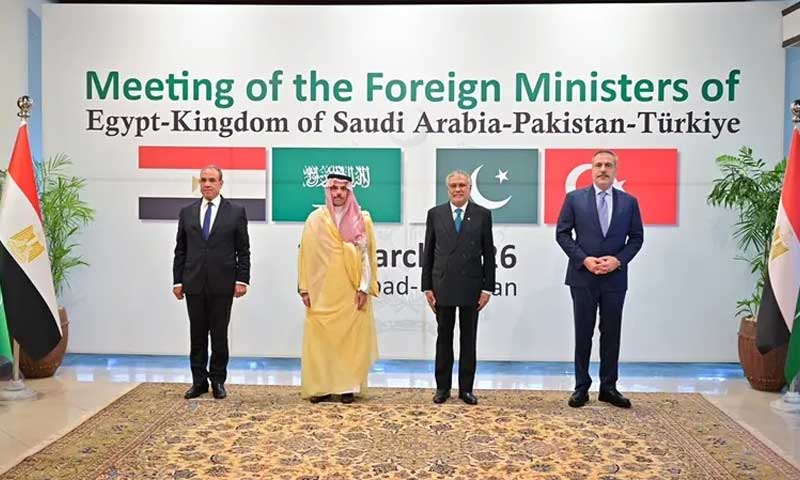
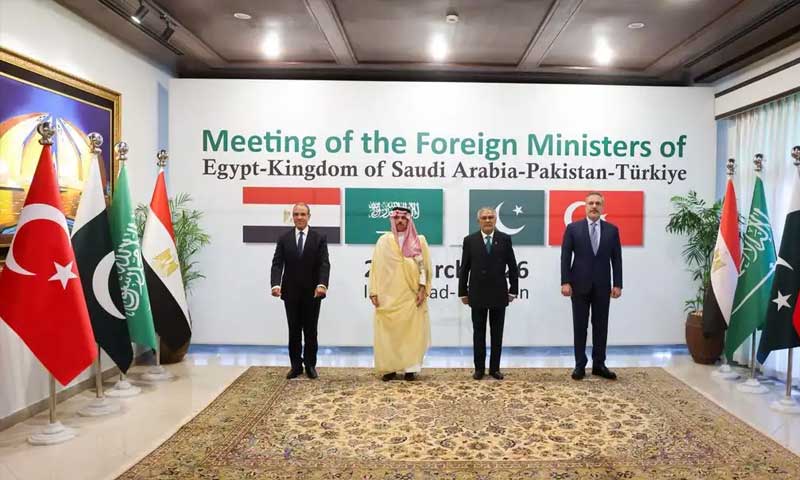
Undoubtedly, the most novel part about the Accord’s establishment is the unprecedented contribution of Pakistan to its creation. Even though nations such as Qatar, Oman, Egypt, and Turkey have supported the negotiations between Washington and Tehran, none has come up with a complete package deal that Pakistan came up with. There are certain diplomatic assets in the possession of the nation, which make it possible for it to undertake such an essential responsibility. Among those are the nuclear program ensuring high-level recognition, the close relationship with the US administration, as well as the 900 kilometers border with Iran. It should be mentioned that the coordination of Field Marshal Munir with the Vice President of the USA JD Vance and special envoy Steve Witkoff, as well as the Iranian Foreign Minister, Abbas Araghchi, represents a degree of mutual trust that traditional mediators lacked. For the first time ever, Pakistan does not host the negotiations; instead, it suggests proposals for them.
The benefits for Pakistan are immense. The conflict has put pressure on our western border, threatened energy supplies from which 80 per cent of our oil requirements are met, and endangered the potential involvement of non-state entities in an escalated conflict. The success of the Islamabad Agreement would bring stability to commodity pricing, relieve balance of payments difficulties, and enable the Pakistan Army to be preoccupied with internal security threats and deterrence in the east without worrying about a two-pronged threat scenario. Most importantly, it enhances our credentials as a responsible state possessing nuclear weapons, which may enhance our diplomatic weight in any future conflict.
Pakistan: From crisis manager to peacemaker in the US-Iran War
But experienced diplomats in Islamabad do not let their hopes get the better of them. The path forward is fraught with impediments. Israeli reluctance towards any form of “rehabilitation” of Iran is a significant factor. The flip-flops in the Trump Administration between its desire for a maximum-pressure policy towards Iran and its isolationism complicate matters. The Iranians, stung by previous instances of betrayal, have made clear that they will not exchange their strategic position in Hormuz for a ceasefire of merely 45 days. They want concrete assurances that no further attacks will take place.
Over the next three days, it is critical that this construct survive. Should Field Marshal Munir and Pakistan’s diplomatic community be able to guide the parties to the finish line, Pakistan will have orchestrated its version of the Nixon to China strategy, not through balancing one power over the other but by virtue of its ability to broker an agreement out of its strategic interests.
For a nation which has always found itself entangled in the crises that arise from its immediate surroundings, Islamabad Accord provides Pakistan the opportunity to tell a different story: Pakistan as the grown-up in the room turning its geography, its relations and its credibility into peace-making tools. All eyes in the world have suddenly turned to our capital. This time round, we pray they aren’t looking for signs of conflict but rather hoping that Pakistani diplomacy would prevent the most destructive war ever fought in our history.
You May Also Like