- Web Desk
- 30 Minutes ago
Islamabad attack suspect identified as ‘Peshawar resident’ allegedly trained in Afghanistan
-

- Web Desk
- Feb 07, 2026
WEB DESK: In a major development, Pakistani authorities have identified the suicide bomber behind the deadly attack at the Khadija Tul Kubra Imambargah in Tarlai Kalan as a resident of Peshawar who reportedly received militant training in Afghanistan. The revelation comes as the death toll rose to 31 and 169 others were injured, marking it as one of the deadliest sectarian attacks in Islamabad’s history.
Investigations by the Interior Ministry and statements from Defense Minister Khawaja Asif and Minister of State for Interior Tallal Chaudhry indicate that the attacker spent several months in training camps in Kunar province, Afghanistan, before returning to Pakistan to carry out the strike. According to Dawn, the bomber reportedly arrived at the mosque during Friday prayers, fired on security guards at the entrance, and forced his way into the main hall before detonating his explosives.
The discovery of the alleged “Afghan link” has heightened diplomatic tensions between Islamabad and the interim Taliban government in Kabul, with Pakistani officials calling for stricter border control and intelligence-based operations to eliminate terrorist camps across the border. The government of Afghanistan also strongly condemned the attack.
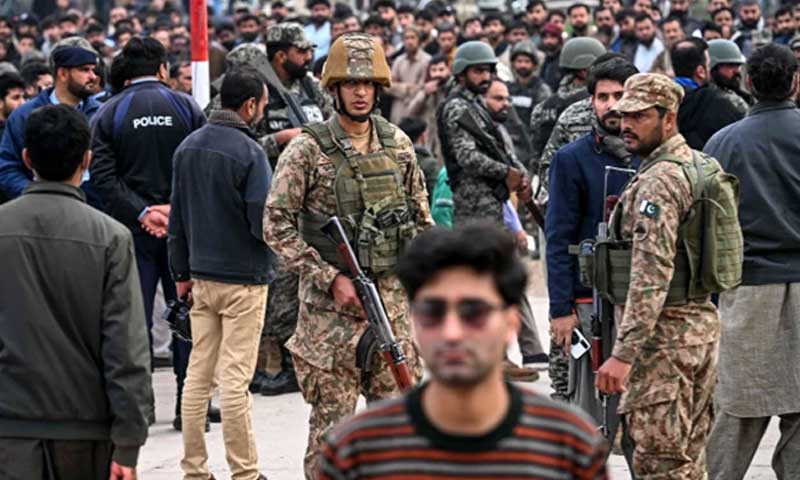
Security across Islamabad remains on high alert, with forensic teams examining the site and monitoring entry and exit points, while preliminary reports suggest the suicide vest was smuggled via a local facilitation network.
As the city mourns its victims, Prime Minister Shehbaz Sharif pledged that the barbaric act would not intimidate the nation, while collective funeral prayers were held under tight security, with the Shia community and civil society calling for stronger protection of religious sites.
You May Also Like