- Web Desk
- 19 Minutes ago
Israel spied on Tehran traffic network before Khamenei assassination
-

- Web Desk
- 3 Minutes ago
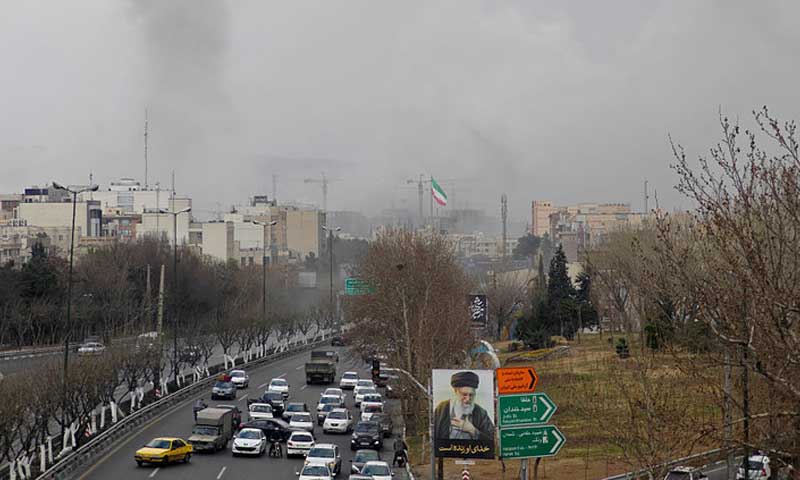
WEB DESK: Israeli intelligence reportedly spent years infiltrating almost all of Tehran’s traffic‑camera network in a sweeping cyber‑espionage operation that helped locate Iran’s Supreme Leader, Ayatollah Ali Khamenei, ahead of the airstrike that killed him and other senior officials last Saturday, the Financial Times has reported.
According to the report, feeds from the city’s cameras were secretly encrypted and transmitted to servers in Israel, giving analysts an unprecedented view into daily routines and movements around Iran’s capital. One particular camera positioned near the highly guarded compound on Pasteur Street provided detailed insight into where Khamenei’s security personnel parked and how they operated.
Israeli intelligence, aided by artificial intelligence tools and advanced algorithms, reportedly sifted through this information to build a “pattern of life” for the supreme leader and his inner circle, identifying travel routes, work schedules and protection assignments.
Cyber Tactics and Precise Targeting
In the days and years leading up to the strike, the operation allegedly combined multiple intelligence streams, including hacked camera footage, mobile‑network infiltration and human intelligence provided by the United States’ Central Intelligence Agency (CIA). The FT said that Israeli and US operatives were able to confirm Khamenei’s presence at a morning meeting on the day of the attack a rarity among senior Iranian officials offering a narrow window for precision targeting.
On the morning of the strike, the report claims that components of mobile‑phone towers near the compound were disrupted, causing calls to appear busy and hampering any warning reaching security personnel. Around thirty missiles were then reportedly fired in a daylight operation designed to achieve tactical surprise.
Iran has denounced the attack as an unprovoked act of aggression, while the United States and Israel frame it as part of a broader campaign to halt Tehran’s nuclear and missile programmes.
The Financial Times also noted that planning for the operation reportedly dates back decades, with directives as far back as the early 2000s directing Israeli intelligence to prioritise Iran as a principal security challenge.
Wider Conflict and Repercussions
The assassination has triggered intense retaliatory actions by Iran, including ballistic and drone strikes against US and allied bases across the Middle East, escalating regional tensions and raising fears of further conflagration.
International reactions remain deeply divided, with Western allies largely backing the strike as a defensive measure against Tehran’s ambitions, while many countries and international bodies warn that the killing of a sitting head of state could destabilise the region further.
You May Also Like