- Web Desk
- 9 Hours ago
Israel steps up strikes on Iran as Gulf energy shock widens
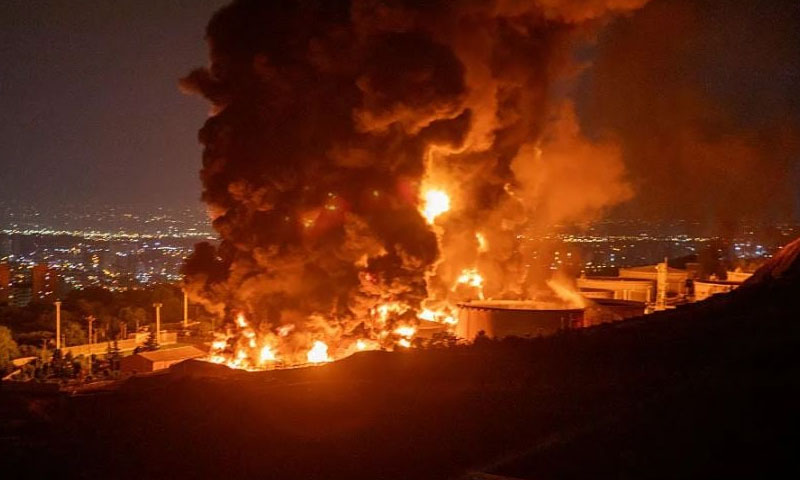
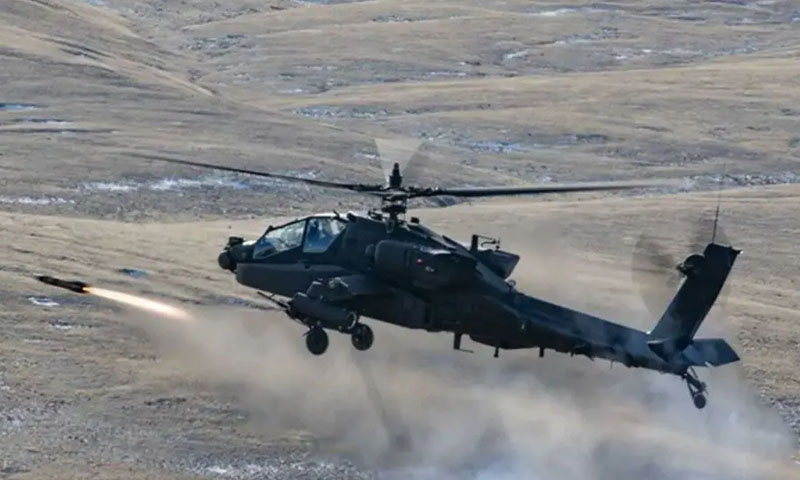
Israel launched a new round of strikes on Iran early Friday, targeting sites in Tehran as the conflict entered a more dangerous phase. The latest assault came despite US President Donald Trump publicly saying he had urged Israel not to carry out further attacks on Iranian energy infrastructure.
The war, which began after US and Israeli strikes on February 28 following the collapse of nuclear talks with Tehran, has already killed thousands, spilled across borders and rattled global markets. In a brief statement, the Israeli military said it had begun attacks on what it described as infrastructure linked to the Iranian regime in central Tehran.
At the same time, Bahrain, Kuwait and the United Arab Emirates reported missile attacks overnight, signalling that the fallout from the conflict was spreading deeper across the Gulf.
Energy infrastructure becomes the new front line
The confrontation has increasingly centred on energy assets, raising fears of a wider economic shock. Iran’s retaliatory strike on Qatar’s Ras Laffan Industrial City caused major damage to one of the world’s most critical LNG processing hubs, with officials warning the disruption could take years to reverse. The site handles roughly one-fifth of global liquefied natural gas supplies.
Saudi Arabia’s main Red Sea port was also attacked on Thursday, even as the kingdom tried to reroute exports away from the Strait of Hormuz, which Iran has effectively shut off. The repeated targeting of key facilities has exposed how vulnerable Gulf energy infrastructure remains, despite extensive air defence systems.
Oil prices initially surged on fears of prolonged disruption, though markets steadied somewhat on Friday after several major economies signalled support for securing shipping routes and boosting supply.
Trump distances Washington as allies hesitate
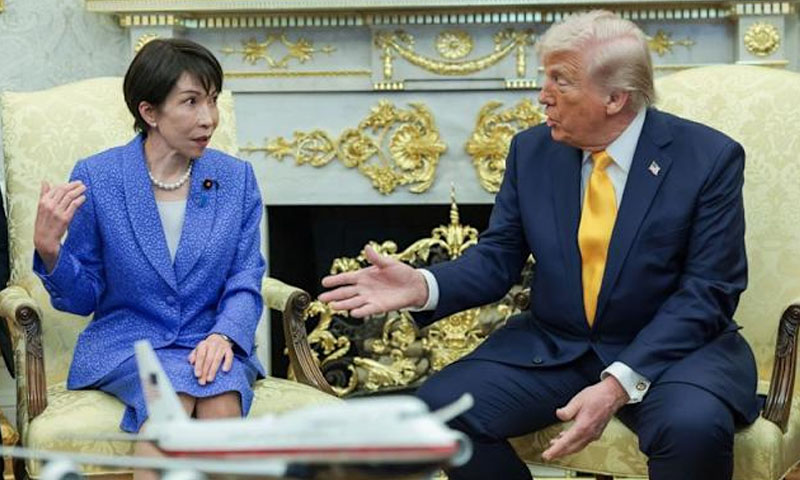
Trump said he had not been informed in advance about Israel’s strike on Iran’s South Pars gas field and insisted he had warned Prime Minister Benjamin Netanyahu against repeating such attacks. Netanyahu later said the operation had been carried out by Israel alone, while also acknowledging that Trump had asked for restraint.
The mixed messaging highlighted apparent gaps between Washington and Tel Aviv over the scope and purpose of the war. US intelligence chief Tulsi Gabbard told lawmakers that Israel appeared focused on crippling Iran’s leadership, while Trump’s stated goals were narrower, centred on degrading Iran’s missile and naval capabilities.
Iran, meanwhile, warned that attacks on its energy sector had opened what it called a new stage of the war. Its military said any further strikes on Iranian energy sites would trigger sustained retaliation against American-linked infrastructure and the facilities of US allies across the region.
You May Also Like