- Web Desk
- 15 Minutes ago
Israeli, Arab media claim Iran’s Supreme Leader Mojtaba Khamenei ‘open’ to direct US talks
-

- Web Desk
- 4 Minutes ago
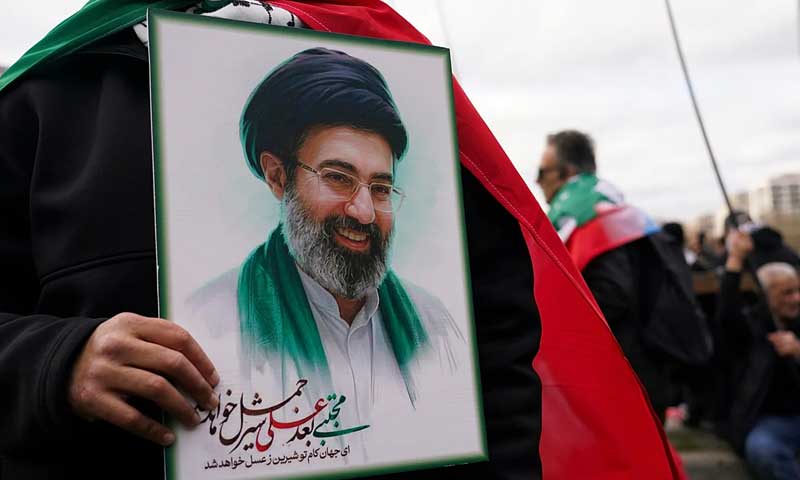
Israeli and Arab media have claimed that Iran’s Supreme Leader, Mojtaba Khamenei, has signalled readiness for direct negotiations with the United States and is open to reaching a final agreement under Iranian terms, amid intensifying regional tensions.
According to the reports, Khamenei has also agreed in principle to bringing the war to a swift end, provided Iran’s conditions are met. The claims suggest a possible shift in Tehran’s position at a time when diplomatic efforts are reportedly taking place behind the scenes.
The reports further allege that Iranian Foreign Minister Abbas Araghchi conveyed to US envoy Steve Witkoff during secret contacts that the supreme leader was aware of, and open to, the idea of negotiations.
The claims have circulated widely in Israeli and Arab outlets, but there has been no official confirmation from Tehran or Washington. Iranian officials have publicly denied direct negotiations with the United States in recent days, even as reports of backchannel contacts have continued to surface.
Iran fires fresh missiles at Israel
Earlier today Iran launched multiple waves of missiles at Israel, triggering air raid sirens in several major cities, including Tel Aviv, according to Israeli military officials. Air defence systems were activated, and blasts were heard over parts of the country as interceptions took place. Although no deaths were immediately reported, debris from intercepted missiles damaged residential areas in northern Israel, adding to concerns over the conflict’s widening toll.
The latest attacks came as conflicting messages emerged over possible diplomatic engagement between Tehran and Washington. US President Donald Trump said the United States had held “productive” discussions with Iranian representatives about ending the fighting and announced a temporary pause in planned strikes on Iran’s energy infrastructure. Even so, reports indicated that wider US military operations in the region had not been halted.
Iran swiftly pushed back against any suggestion that talks were under way. Senior officials, including parliament speaker Mohammad Baqer Qalibaf, dismissed the claims as false and accused Washington of trying to influence international financial markets. The Islamic Revolutionary Guard Corps also rejected the notion of negotiations, calling the remarks part of a psychological campaign that would not alter Iran’s military posture.
The crisis has also kept pressure on global energy markets. Tehran has continued to warn that any further US action could threaten shipping through the Strait of Hormuz, one of the world’s most important oil transit routes. That uncertainty drove renewed volatility in oil prices, which initially dipped after Trump’s comments before rising again as fears over supply disruption returned.
Behind the scenes, mediation efforts appear to be continuing through third countries. While there has been no confirmed direct contact between the US and Iran, reports suggest that Pakistan, Egypt and several Gulf states are helping pass messages between the two sides. Pakistani officials have said Islamabad would be prepared to host negotiations if both parties agreed, while reiterating support for dialogue as the only way to reduce tensions.
You May Also Like
- Web Desk
- 44 Minutes ago
Israel bombs petrol station in southern Lebanon
