- Web
- 4 Hours ago
Israeli claims to kill Iran intelligence minister in Tehran strike
-

- Web Desk
- Mar 18, 2026
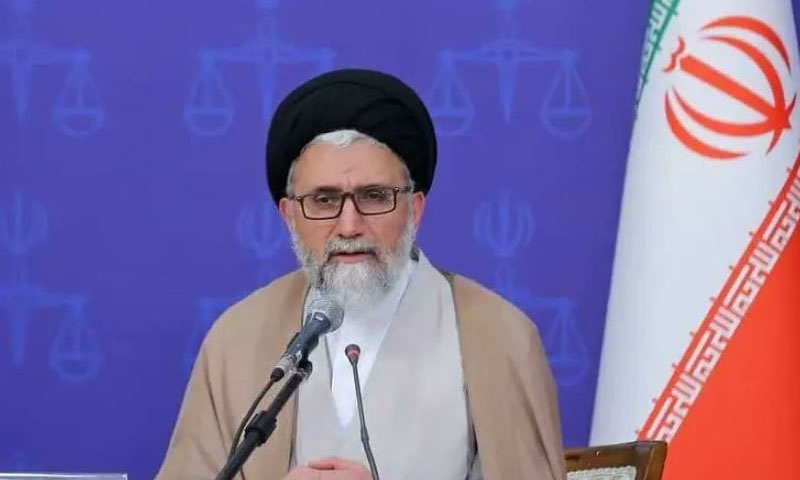
TEHRAN: Israeli said that it killed Iran’s intelligence minister Esmail Khatib in an air strike in Tehran, though there was no immediate confirmation of his death from the Irani government.
If the claim announced on Wednesday was confirmed, it would be the third assassination of high-ranking Iranian leaders in two days.
Israel’s Channel 12 said the results of the strike were still being assessed and it remained unclear whether the intended target had been successfully hit.
Iran has yet to issue an official response.
The claim comes amid escalating hostilities between Iran and Israel, with both sides exchanging strikes and competing claims, further complicating an already volatile regional situation.
Earlier on Tuesday, Israel killed Iranian security chief Ali Larijani and Gholamreza Soleimani, head of the Basij paramilitary force.
Iran’s health ministry said more than 1,400 people have been killed and over 18,000 wounded since the US-Israel attack on Iran from February 28.
Iran has also executed a man accused of spying for Israel’s Mossad intelligence agency.
Iran retaliates after senior figures killed
On the 19th day of the conflict, tensions intensified after the killing of the top Iranian officials in Israeli strikes.
Iran launched retaliatory missile strikes on Israel, damaging a building in Ramat Gan near Tel Aviv and killing two people, according to reports.
Meanwhile, Iranian Foreign Minister Abbas Araghchi said the country’s political system remained strong and vowed a “decisive response.”
Conflict spreads across the region
The conflict has expanded beyond Iran and Israel, with Iran and allied groups reportedly launching missile and drone attacks towards Saudi Arabia, Kuwait, Jordan and other Gulf states.
Gulf countries said they had intercepted the attacks, though explosions were reported in some areas. Air defence systems were also activated in Qatar and the United Arab Emirates.
Iran blames US for Gulf strikes
Araghchi said the United States bore responsibility for attacks near civilian areas in Gulf countries.
In an interview with Arab media, he said US forces had moved from military bases into civilian locations, including hotels, increasing the risk to nearby populations.
He said Iran targeted locations where US forces or facilities were present, though some sites may have been close to civilian areas, potentially causing collateral damage.
Araghchi added that Washington bore full responsibility for the war that began on February 28 and for incidents affecting civilian areas in the Gulf.
UAE restricts Eid prayers over security fears
Meanwhile, authorities in the United Arab Emirates said Eid-ul-Fitr prayers would be held only inside mosques, banning gatherings in open spaces due to security concerns.
Officials said the decision was taken to ensure public safety, adding that arrangements had been completed at mosques nationwide.
Authorities urged residents to follow official guidelines and offer prayers at designated locations.
You May Also Like