- Web
- 8 Hours ago
JD Vance says US leaves Islamabad Talks with ‘final’ offer to Iran
-

- Web Desk
- 2 Minutes ago
ISLAMABAD: Following gruelling 21-hours, US Vice President JD Vance said the latest round of talks between Washington and Tehran in Islamabad have ended without an agreement after negotiations, as he warned that the outcome was a bigger setback for Iran than for the United States. The Iranians are yet to give an official statement regarding the developments.
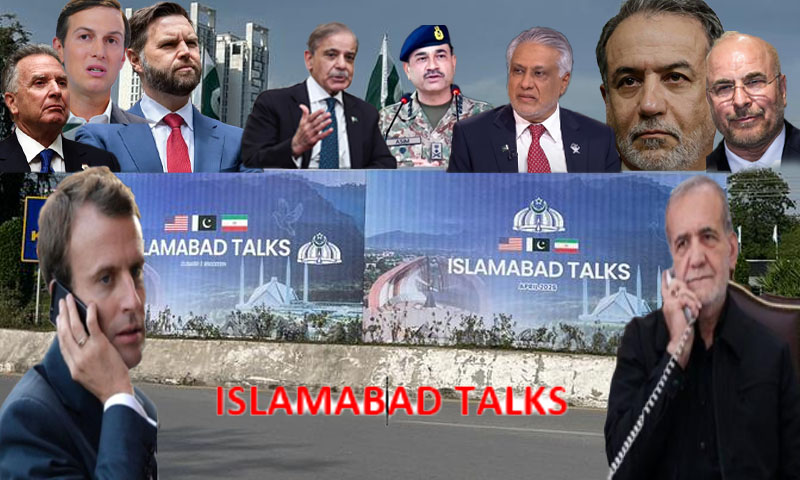
The US negotiating delegation has now departed after the conclusion of the talks. Field Marshal Syed Asim Munir and Deputy Prime Minister Ishaq Dar saw the delegation off, while Interior Minister Mohsin Naqvi and US Chargé d’Affaires Natalie Baker were also present on the occasion.
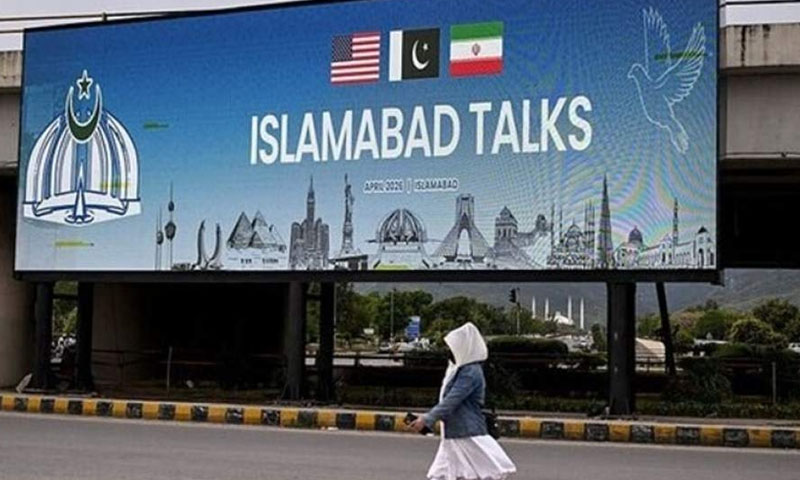
Speaking after the conclusion of the discussions at a local hotel in Islamabad, Vance thanked Prime Minister Shehbaz Sharif and Chief of Army Staff Field Marshal Asim Munir for Pakistan’s role in hosting and facilitating the high-level engagement. The talks had drawn significant international attention, with Islamabad emerging as the venue for one of the most closely watched diplomatic efforts in recent weeks.
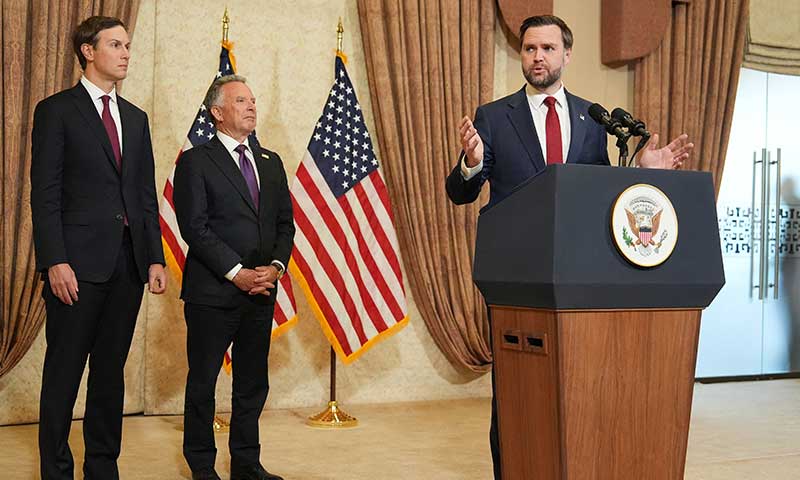
Present at the presser with Jared Kushner and Steve Witkoff, Vance said the two sides had held “a number of substantive discussions” during the marathon negotiations, but ultimately failed to bridge the gap on core issues. He said the United States had made its position clear, including the areas where it was willing to show flexibility and the points on which it would not compromise.
“We’ve been at it now for 21 hours,” Vance said, describing the discussions as serious but inconclusive. “The bad news is that we have not reached an agreement.”
He added that while no deal had been secured, the consequences of the failure would weigh more heavily on Tehran than on Washington. According to Vance, the US side had come into the talks with a clear mandate from President Donald Trump to negotiate in good faith and make a genuine effort to secure an understanding.
Nuclear commitment remains central sticking point
At the heart of the deadlock, Vance said, was Washington’s insistence on a firm and lasting Iranian commitment against pursuing nuclear weapons.
Without disclosing the full contents of the private negotiations, Vance said the United States would not negotiate the details in public after such extensive closed-door talks. Still, he made clear that the central demand from Washington remained unchanged: an affirmative assurance that Iran would neither seek a nuclear weapon nor preserve the capability to move quickly towards one.
He said that objective was the core aim of the US president and had shaped the American negotiating position throughout the Islamabad talks.
Vance also pointed to damage already inflicted on Iran’s nuclear infrastructure, saying its enrichment facilities “that they had before” had been destroyed. But he stressed that the real question for Washington now was not only the physical state of Iran’s nuclear programme, but whether Tehran was prepared to make a long-term political and strategic commitment to forgo nuclear weapons altogether.
According to Vance, the United States was not seeking a temporary pause or a short-term assurance. Instead, it wanted guarantees that would hold not just immediately, but well into the future.
“We haven’t seen that yet,” he said, while adding that Washington still hoped such a commitment might eventually emerge.
Washington says final offer now on the table
Vance said the American side believed it had approached the talks with flexibility and seriousness, but that Iran had declined to accept the terms placed before it.
He said US negotiators had been in constant contact with President Trump throughout the 21-hour process, speaking with him multiple times as discussions continued in Islamabad. The vice president also said the team remained in close touch with senior members of the US national security establishment, including top military, diplomatic and economic officials.
That constant communication, he suggested, reflected the seriousness with which Washington had approached the negotiations and its effort to keep the broader US leadership fully aligned during a critical diplomatic window.
At the close of the talks, Vance said the United States was leaving Islamabad with what he described as a “final and best offer” for Tehran. He called it a clear method of understanding and said it would now be up to the Iranian side to decide whether to accept it.
The remarks signalled that while the immediate round of negotiations had ended without a breakthrough, diplomacy had not necessarily collapsed altogether. Instead, Washington appears to be placing the next move squarely in Tehran’s hands.
For Pakistan, the talks marked a major diplomatic moment, with Vance’s public thanks to Prime Minister Shehbaz and General Munir underscoring Islamabad’s role in convening the two sides at a sensitive time. But the outcome also highlighted the scale of the mistrust still separating Washington and Tehran, particularly over the future of Iran’s nuclear ambitions.
With no agreement reached after nearly a full day of negotiations, the question now is whether Iran will respond to the US proposal or whether the failure in Islamabad will harden positions further in the days ahead.
You May Also Like