
- Web Desk
- 4 Minutes ago
John Forté dies at 50: the Fugees collaborator’s rise, fall and second chance
-

- Aasiya Niaz
- Jan 14, 2026
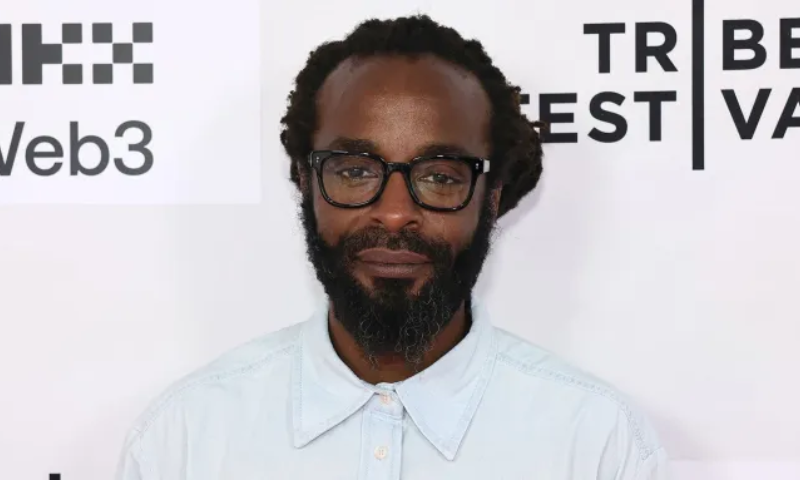
John Forté, the Grammy-nominated musician and producer best known for his work with the Fugees and the Refugee Camp All-Stars, has died at the age of 50.
According to the Associated Press, police found Forté dead at his home in Chilmark, Massachusetts, on Monday afternoon. The town’s police chief, Sean Slavin, said there were no signs of foul play or a “readily apparent cause of death”. The case is under investigation by the state medical examiner’s office.
A key figure in 1990s hip hop
Forté rose to prominence in the 1990s as part of the Refugee Camp All-Stars, the collective that included the Fugees. He worked on tracks such as Wyclef Jean’s “We Trying to Stay Alive”, the lead single from Jean’s debut album The Carnival, and “Rumble in the Jungle”, which also featured Busta Rhymes and A Tribe Called Quest.
He was best known for his writing and production work on the Fugees’ second and final album, The Score, released in 1996. The record became a multi-platinum global success and one of the decade’s most influential hip hop albums. Forté received a Grammy nomination for his work at the age of 21.
Solo work and early momentum
Forté released his solo debut album Poly Sci in 1998, featuring DMX, Fat Joe and Fugees member Pras. He followed it with I, John in 2001, which included a duet with Carly Simon.
At the time, he was widely viewed as a rising figure, praised for pairing sharp lyricism with a melodic, producer-led approach.
Arrest and sentence
In 2000, Forté was arrested at Newark International Airport and charged with possession with intent to distribute liquid cocaine valued at $1.4 million. He was sentenced to 14 years in prison.
The case drew widespread attention, with several prominent figures, including Simon, advocating on his behalf. In 2008, then US president George W. Bush commuted his sentence, allowing Forté to return home after eight years.
Rebuilding his life
After his release, Forté resumed making music and speaking publicly about his experiences. He described prison as a turning point that reshaped his priorities and creative outlook.
He continued to record and perform, while also becoming a sought-after speaker on resilience and rehabilitation.
His life traced one of hip hop’s most dramatic arcs, from early acclaim and commercial success to a sudden fall and a rare second chance.
You May Also Like