
- Reuters
- October 24, 2026
Junaid Akbar to remain PTI’s KP president as party retains existing structure
-

- WEB DESK
- October 24, 2026
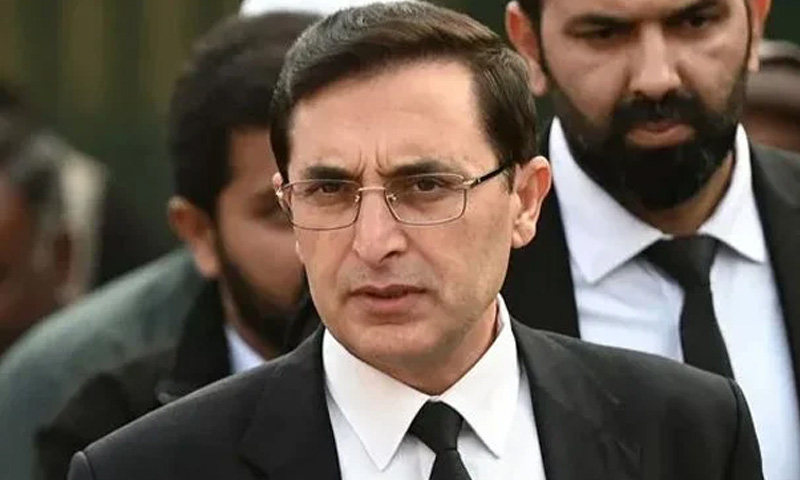
ISLAMABAD: Pakistan Tehreek-e-Insaf (PTI) has retained its existing Khyber Pakhtunkhwa organisational structure, with Junaid Akbar Khan continuing as provincial president, as the party navigates the political changes following the imposition of emergency and governor’s rule in the province.
In September, as PTI prepared for its planned march towards Islamabad, Akbar warned the government against using force against protesters. “We will turn Islamabad into Somnath,” the PTI leader said while addressing a gathering in Peshawar on September 20.
Akbar’s whereabouts have remained unknown since the imposition of emergency and governor’s rule in KP. PTI has claimed that its provincial president was arrested alongside other party leaders, but the authorities have not publicly confirmed his current whereabouts. The Peshawar High Court has sought responses from the relevant authorities regarding petitions seeking his recovery.
In a statement shared by PTI Chairman Barrister Gohar Ali Khan on X on Saturday, the party outlined the responsibilities of its provincial leadership, clarifying how its affairs would be managed under the prevailing circumstances.
The statement said Senator Noor-ul-Haq Qadri, the party’s provincial senior vice-president, would preside over meetings of the provincial cabinet in Junaid Akbar’s absence, in accordance with the PTI constitution.
چیئرمین پی ٹی آئی بیرسٹر گوہر خان کا خیبر پختونخوا میں پارٹی کے تنظیمی امور سے متعلق اہم نوٹیفکیشن جاری۔
خیبر پختونخوا کی موجودہ صورتحال کے پیشِ نظر جاری کردہ نوٹیفکیشن کے مطابق جنید اکبر خان بدستور صوبائی صدر رہیں گے۔ ان کی عدم موجودگی میں سینیٹر نورالحق قادری پارٹی اجلاسوں کی صدارت کریں گے اور آئین کے مطابق اپنے فرائض انجام دینگے- جبکہ پی ٹی آئی خیبر پختونخوا کے جنرل سیکرٹری علی اصغر خان تمام تنظیمی امور کی مجموعی نگرانی کریں گے۔
نوٹیفکیشن میں واضح کیا گیا ہے کہ پارٹی کے موجودہ تنظیمی ڈھانچے میں کسی قسم کی تبدیلی نہیں کی جائیگی-
— Barrister Gohar Khan (@BarristerGohar) October 24, 2026
Ali Asghar Khan, the provincial general secretary, would chair meetings in the absence of both Junaid Akbar and Qadri. He has also been authorised to convene and chair meetings of other tiers of the provincial organisation.
According to the statement, Ali Asghar Khan would oversee administration, coordination and supervision across the party’s provincial tiers and wings to ensure the implementation of its policies, strategies and decisions.
PTI outlines responsibilities of provincial leadership
The notification said the provincial organisation would continue to function under Junaid Akbar’s presidency, while the designated office-bearers would assume additional responsibilities in his absence.
The announcement clarifies the division of responsibilities within PTI’s provincial organisation amid uncertainty over how the party would manage its structure following the change in the province’s political and administrative arrangements.
Governor’s rule changes KP’s political landscape
The political and administrative order in KP changed on October 11, when President Asif Ali Zardari approved the imposition of an emergency under Article 232 and governor’s rule under Article 234 of the Constitution, following a recommendation from the federal cabinet.
The Centre cited the deteriorating security situation and what it described as inadequate cooperation from the PTI-led provincial government on counterterrorism.
Former chief minister Sohail Afridi, his cabinet and advisers ceased to hold office, while executive authority shifted to KP Governor Faisal Karim Kundi.
PTI rejected the federal government’s justification for the measures and challenged the emergency and governor’s rule in court. Before their imposition, Afridi had argued that additional resources for police alone would not resolve militancy without a change in counterterrorism policy.
The federal government subsequently established an 11-member advisory council and a separate administrative structure for 12 terrorism-affected districts.
The National Assembly and Senate endorsed the measures on October 14, before a joint sitting of Parliament approved the resolution a day later by 214 votes to 56 amid opposition protests.
On October 17, the federal government appointed 48 members to a Regional Representative and Development Council covering the 12 designated districts following jirga consultations.
You May Also Like


- Usman Khan
- October 24, 2026
PCB names revamped Pakistan squad for Sri Lanka Test series

- WEB DESK
- October 24, 2026
