
- Reuters
- September 15, 2026
Karachi police release Aurat March activists after brief detention
-

- Zafar Ali
- May 5, 2026
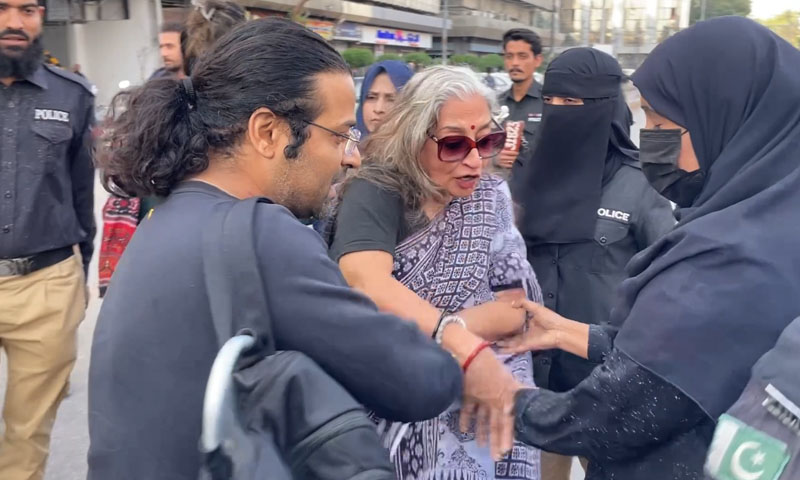
KARACHI: Karachi police briefly on Tuesday detained and later released seven Aurat March activists, including artist Sheema Kirmani near the Karachi Press Club (KPC) ahead of a scheduled press conference, following intervention by the Sindh home minister.
The activists had gathered at KPC for a 4pm press conference to demand a no-objection certificate (NOC) for their upcoming annual march in Karachi when they were taken into custody.
Later, Sindh Home Minister Ziaul Hasan Lanjar directed South Zone police to release the detained activists, after which they were freed, according to an Aurat March organiser.
In a post on social media platform X after their release, Aurat March Karachi said: “We will NOT back down from our politics, and we will continue to demand an NOC.”
It called the detentions “scare tactics” and demanded a public explanation from the Sindh government over the arrests and delay in issuing the NOC.
Earlier, the group said several organisers were “picked up” before the press conference could begin and claimed access to the press club was blocked. It later said seven organisers and volunteers had been detained.
“The state is using all its tools to suppress a women’s movement that works on cross-class issues of gender, violence and labour rights,” it said in a statement.
The group also argued that holding a press conference inside the press club was permitted even during the enforcement of Section 144, questioning the legal basis for the detentions.
The Human Rights Commission of Pakistan (HRCP) and other rights activists condemned the incident, calling it part of a broader pattern of restricting civic space.
In a statement, HRCP said the detentions reflected “the systematic denial of public space to citizens seeking to articulate their rights” and warned that such actions risked deepening self-censorship and limiting public discourse.
“Preventing citizens, particularly women and marginalised groups, from even convening a press conference reflects an increasingly repressive approach to governance, where dissent is treated as a threat rather than a democratic necessity,” it said.
Digital rights activist Nighat Dad said the responsibility lay with the provincial government, while lawyer and activist Jibran Nasir questioned the legal basis for restricting access to the press club under Section 144.
He asked under what law press conferences had been barred or access to the Karachi Press Club restricted.
You May Also Like

- WEB DESK
- September 15, 2026
Petrol price rises by Rs4.10, diesel by Rs6.41 per litre
- Reuters
- September 15, 2026
Samson, Reddy lead India to series-clinching win over Afghanistan
- WEB DESK
- September 15, 2026