- WEB DESK
- October 13, 2026
Karachi police surgeon flags flaws in autopsy of businessman Mir Raza Ali
-

- WEB DESK
- August 5, 2026
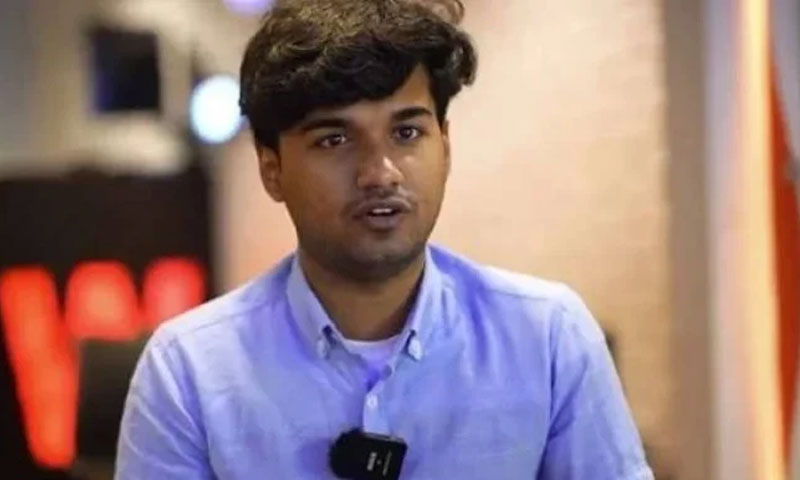
KARACHI: Karachi police surgeon has raised serious concerns over the post-mortem examination of businessman Mir Raza Ali, identifying multiple shortcomings in the autopsy report, while the head of the investigation team dismissed her observations as premature and said the final cause of death would be determined only after all legal requirements are completed.
The developments mark the latest twist in the high-profile case involving the death of the young Karachi businessman, whose body was found in the Gulistan-e-Jauhar area earlier this week.
According to a letter dated August 3 and written by Police Surgeon Dr Summaiya Syed to the Senior Superintendent of Police (SSP) East, the post-mortem report contained numerous deficiencies that, she said, required further examination before any conclusions could be drawn.
In the letter, Dr Syed said no chemical analysis had been conducted on gunpowder residue around the entry wound and that the internal examination of the skull and neck had not been performed.
She also said the injuries had not been measured using a forensic scale and that photographs had not been taken in accordance with forensic standards.
According to the letter, X-rays of the body were not carried out and hand swabs were not collected for gunpowder residue testing. It further said the report did not adequately explain the bullet’s trajectory or reconcile the entry and exit wounds with the corresponding bone damage.
The police surgeon also questioned why the reported entry wound was recorded as significantly larger than the exit wound, saying the wounds should have been re-examined and verified.
She further noted that the direction of bullet holes in the victim’s clothing, the condition of various body parts and the nature of decomposition had not been properly documented.
The letter added that although the face was reportedly unrecognisable, no DNA samples had been collected to independently confirm the victim’s identity.
“The post-mortem report raises more questions than it answers,” Dr Syed said in the letter, adding that all aspects of such a sensitive case required logical and comprehensive examination. She also noted the absence of clear photographic documentation of the injuries.
The investigation team, however, rejected the criticism.
SSP Dr Samiullah Soomro, who heads the investigation, said Dr Syed had neither conducted the post-mortem nor physically examined the body, adding that her comments were based only on photographs.
He described her observations as “premature and inappropriate” and warned that unverified public statements could affect the investigation and cause unnecessary distress to the victim’s family.
Soomro said the initial post-mortem report had not been challenged by the police surgeon at the time it was prepared and that all medical aspects of the case would now be examined by a designated medical board.
He said the official cause of death would be determined only after legal procedures had been completed. If necessary, exhumation of the body could be sought with a court’s approval on the recommendation of the medical board.
Separately, Karachi Additional Inspector General of Police Azaad Khan and members of the investigation team met Karachi Mayor Murtaza Wahab to brief him on progress in the investigation.
According to a statement issued after the meeting, Wahab said police were investigating the case from multiple technical and forensic angles and directed investigators to maintain regular contact with the victim’s family and keep them informed about developments.
The case has attracted widespread public attention in Pakistan, with authorities saying the investigation remains ongoing and that all forensic and medical evidence will be examined before any final conclusions are reached.
You May Also Like