- WEB DESK
- October 27, 2026
Kashmiris observe Black Day as Pakistan renews call for dispute resolution
-

- WEB DESK
- October 27, 2026
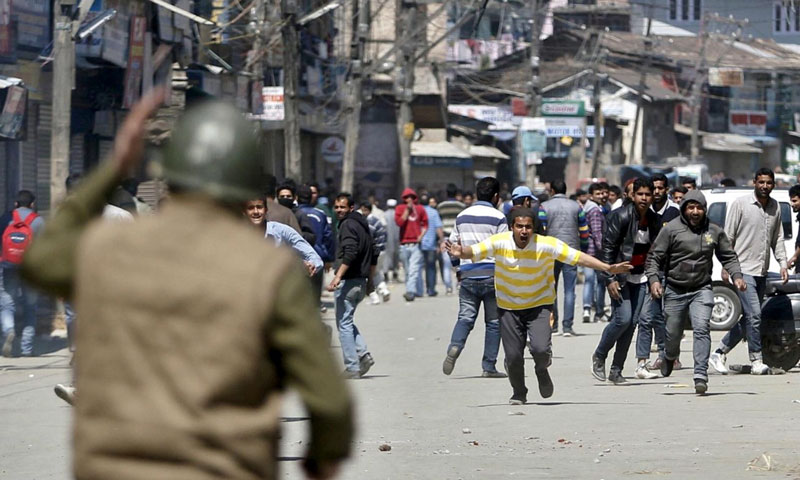
ISLAMABAD: Kashmiris on both sides of the Line of Control and around the world are observing Black Day on Tuesday to mark 79 years since Indian troops entered Jammu and Kashmir on October 27, 1947, with rallies and demonstrations planned across the region.
President Asif Ali Zardari, Prime Minister Shehbaz Sharif and Interior Minister Mohsin Naqvi have reaffirmed solidarity with Kashmiris, calling for a just resolution of the long-running dispute.
According to Kashmir Media Service, Indian troops entered Jammu and Kashmir on October 27, 1947, in violation of the partition plan and against the wishes of the Kashmiri people.
The All Parties Hurriyat Conference (APHC), in a statement in Srinagar, urged Kashmiris in Indian Occupied Jammu and Kashmir (IIOJK), Azad Jammu and Kashmir (AJK) and elsewhere to observe Black Day. It also called for a complete shutdown in the territory.
The APHC appealed to the international community to help resolve the dispute in line with the aspirations of Kashmiris and relevant United Nations resolutions.
Rallies planned across AJK
In AJK, protest rallies and seminars are scheduled at district and tehsil headquarters to condemn the events of October 27, 1947, and India’s revocation of the region’s special status on August 5, 2019.
Deputy commissioners will lead rallies in their respective districts following directives from the AJK president and prime minister, according to the supplied statement.
In Muzaffarabad, the Kashmir Liberation Cell has arranged a protest demonstration followed by a rally, which AJK Prime Minister Iftikhar Gilani is due to lead.
Pasban-e-Hurriyat Jammu and Kashmir, Kashmiri refugees, other Hurriyat organisations, and political and religious parties have also arranged rallies and seminars.
A rally was also held on Constitution Avenue in Islamabad, with people from different walks of life carrying banners and posters in support of Kashmiris and denouncing alleged human rights violations and repression in the territory.
Pakistan renews call for resolution
In separate messages, President Zardari and PM Shehbaz said lasting peace and stability in South Asia could not be achieved without a just and peaceful resolution of the Jammu and Kashmir dispute. Both reaffirmed Pakistan’s political, diplomatic and moral support for Kashmiris.
Prime Minister Muhammad Shehbaz Sharif’s Message on Jammu & Kashmir Black Day, 27 October 2026.
Seventy-nine years ago, Indian forces landed in Srinagar, marking the beginning of a tragic chapter in the history of Jammu and Kashmir, one that continues to cast its long shadow over the region to this day. Since then, the people of Jammu and Kashmir have been denied the realization of their inalienable right to self-determination, as affirmed in the relevant United Nations Security Council resolutions.
The people of Indian Illegally Occupied Jammu and Kashmir (IIOJK) have endured immense hardship, suffering and repression. Yet their courage, resilience and unwavering resolve to secure their fundamental rights remain undiminished. The sacrifices of successive generations stand as a powerful testament to their enduring commitment to freedom, dignity and justice.
India has continued its efforts to suppress legitimate political expression and silence the voices that represent the aspirations of the Kashmiri people. The prolonged incarceration of Kashmiri political leaders, activists and human rights defenders remains deeply concerning. It underscores the need for due process, respect for basic liberties, and greater international attention to the situation in Jammu and Kashmir.
Since 5 August 2019, India has taken a series of unilateral measures in IIOJK, accompanied by sweeping restrictions on fundamental freedoms. These measures, affecting the political, legal and demographic character of the territory, have drawn serious international attention. Pakistan has consistently called for these developments to be addressed in accordance with international law and the applicable United Nations Security Council resolutions.
Pakistan’s position on Jammu and Kashmir remains clear, consistent and principled. Lasting peace and stability in South Asia cannot be achieved without a just and peaceful resolution of the Jammu and Kashmir dispute, in accordance with the relevant United Nations Security Council resolutions and the aspirations of the Kashmiri people.
On this solemn occasion, I pay tribute to the countless Kashmiri men, women and children who have offered immense sacrifices in pursuit of their rights. Their memory will always be honoured. The aspirations of the Kashmiri people cannot be extinguished through coercion or repression.
On this Jammu & Kashmir Black Day, the Government and people of Pakistan reaffirm their unwavering solidarity with the people of IIOJK. Pakistan will continue to extend its moral, diplomatic and political support to the Kashmiri people, and to advocate for their legitimate rights at every national and international forum.
May the people of Jammu and Kashmir realize a future of lasting peace, dignity and security, and the fulfilment of their aspirations, including the right to self-determination.
— Prime Minister’s Office (@PakPMO) October 27, 2026
Zardari urged the international community, particularly the United Nations and international human rights organisations, to take note of the human rights situation in IIOJK.
Shehbaz said Pakistan would continue to advocate for the rights of Kashmiris at national and international forums.
“Since 27 October 1947, the people of IIOJK have endured decades of conflict, restrictions and denial of their fundamental rights. The continuing restrictions on fundamental freedoms, heightened militarisation, arrests and reports of human rights violations remain a matter of serious concern and underscore the need for sustained international attention.”
~President Asif Ali Zardari Message On Jammu and Kashmir Black Day— The President of Pakistan (@PresOfPakistan) October 27, 2026
Naqvi said Kashmiris had not bowed to what he described as Indian oppression and continued to stand firm in their struggle for freedom. He paid tribute to those who had lost their lives and described the events of 1947 as a dark chapter in history.
The interior minister said the military siege had turned the valley into a prison and criticised the international community’s silence over what he called Indian atrocities. He also cited Quaid-e-Azam Muhammad Ali Jinnah’s description of Kashmir as Pakistan’s “jugular vein”.
Naqvi said a fair settlement of the dispute was necessary for sustainable peace in the region and reaffirmed Pakistan’s support for Kashmiris at international forums.
‘Kashmir will become Pakistan’
Deputy Prime Minister and Foreign Minister Ishaq Dar said Pakistan had consistently raised the Kashmir dispute at international and diplomatic forums, adding that “Kashmir will become Pakistan” remained the voice of every Kashmiri and Pakistani.
Speaking at a Black Day event in Islamabad, Dar said raising the issue at every international forum was Pakistan’s primary responsibility. He said Islamabad had also highlighted the rights of Kashmiris at the United Nations General Assembly, adding that Pakistan’s diplomacy had ensured the world had not forgotten the dispute.
Dar accused India of unilaterally changing Jammu and Kashmir’s status on August 5, 2019, and violating laws in the territory. He said Prime Minister Shehbaz Sharif regularly raised the issue in his speeches at international forums and that Pakistan would continue to support the Kashmiri people.
Earlier, Kashmir Affairs Minister Amir Muqam said October 27, 1947, marked the day India occupied Jammu and Kashmir. All Parties Hurriyat Conference convener Ghulam Muhammad Safi said Kashmiris had been promised the right to self-determination and a plebiscite, while questioning India’s claims that conditions in the territory were normal.
You May Also Like
- Reuters
- October 27, 2026