
- Muhammad Zareef Web Desk
- 8 Minutes ago
Kathleen Kennedy passes the lightsaber; exits Lucasfilm after 14 years of Star Wars
-

- Web Desk
- Jan 16, 2026
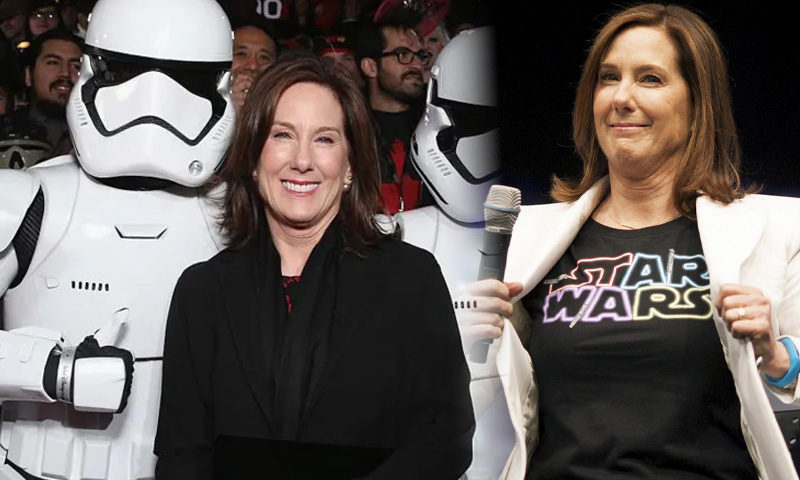
Kathleen Kennedy, the longtime president of Lucasfilm and one of Hollywood’s most influential producers, is stepping down from her leadership role, bringing an end to a defining chapter in the modern history of Star Wars.
Her departure, effective this week, marks a major transition for the studio behind one of the world’s most valuable entertainment franchises.
Kennedy, who joined Lucasfilm in 2012 as co-chair alongside Star Wars creator George Lucas, took full control of the company shortly after Disney acquired the studio for $4 billion. Over the past 14 years, she oversaw the franchise’s revival, expansion into streaming television, and its uneven but ambitious return to the big screen.
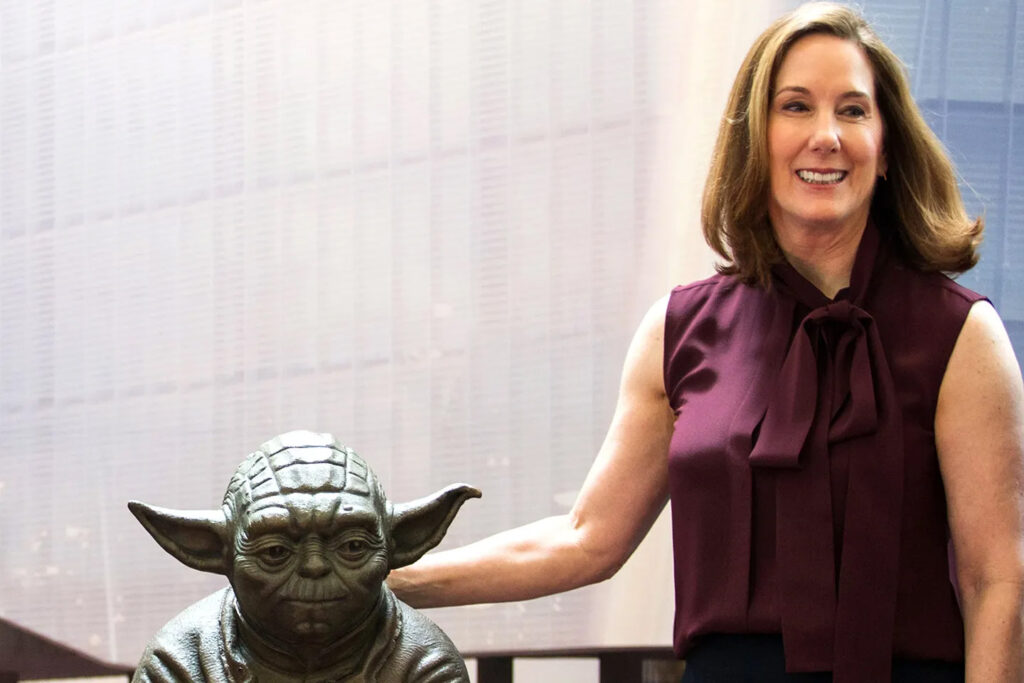
Although she is relinquishing day-to-day leadership, Kennedy is not leaving Lucasfilm entirely. She will remain attached as a producer on two upcoming films: The Mandalorian and Grogu, scheduled for release this May, and Star Wars: Starfighter, set for 2027; while also shifting her focus to independent producing projects outside the company.
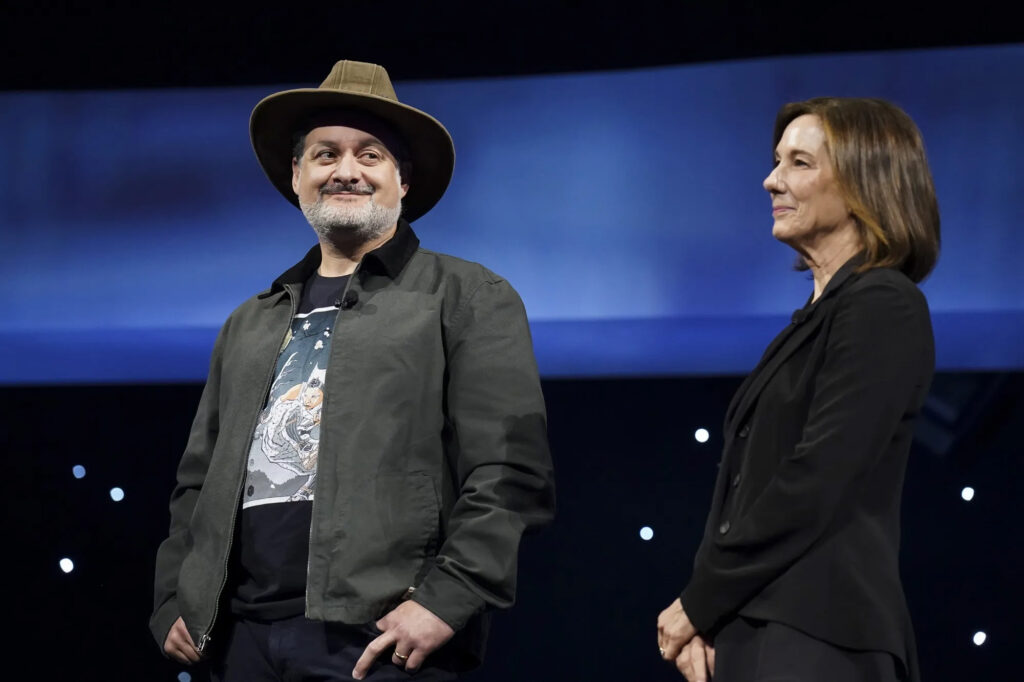
Her exit ushers in a new leadership structure at Lucasfilm. Dave Filoni, a protégé of George Lucas and a central creative force behind The Clone Wars, The Mandalorian and Ahsoka, has been elevated to president and chief creative officer, overseeing storytelling across film and television. Lynwen Brennan, who has spent more than two decades at the company and previously led Industrial Light & Magic, will serve as co-president, managing Lucasfilm’s business operations. Both will report to Disney Entertainment co-chairman Alan Bergman.
In a statement, Kennedy reflected on her tenure, calling it “a true privilege” to work alongside Lucasfilm’s creative teams. She said she was proud of what had been built over the past decade and expressed excitement about continuing to develop stories with both longtime collaborators and new voices.
Kennedy’s leadership spanned some of the franchise’s biggest triumphs and most debated moments. She launched the sequel trilogy with Star Wars: The Force Awakens in 2015, a massive box-office success that reignited global interest in the saga. Under her watch, Lucasfilm released a string of theatrical films, including Rogue One, The Last Jedi and The Rise of Skywalker, while also navigating production challenges, creative shakeups and shifting audience expectations.
Not all projects were smooth successes. Films such as Solo: A Star Wars Story struggled commercially, while several announced movie projects failed to move forward. After a mixed response to The Rise of Skywalker, Disney paused theatrical releases, later acknowledging that the franchise had expanded too rapidly.
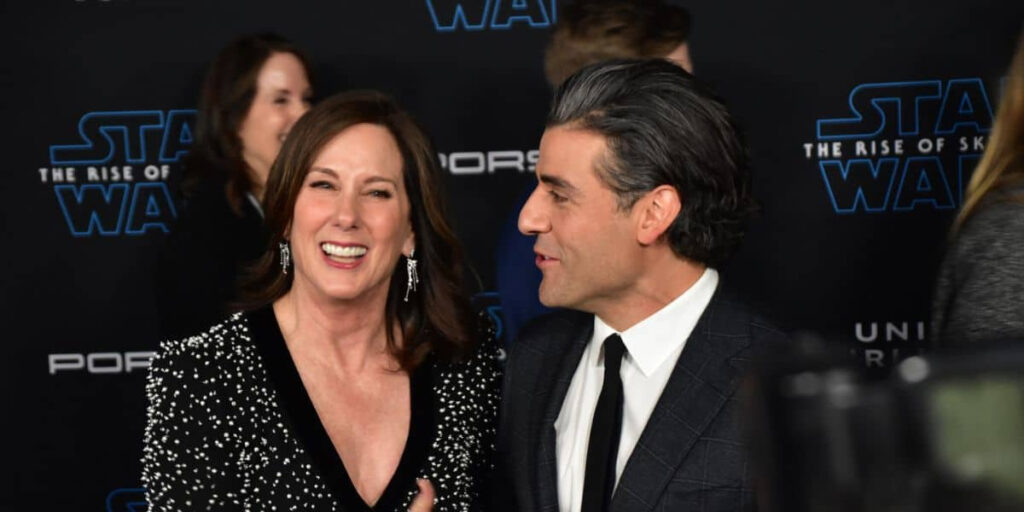
Where Kennedy’s impact proved most transformative was television. Her decision to develop live-action Star Wars series for Disney+ paid off immediately with The Mandalorian, which became a cultural phenomenon and a cornerstone of the streaming platform. Subsequent series delivered mixed reactions, but shows like Andor earned widespread critical acclaim and major awards recognition, demonstrating the franchise’s storytelling range.
By the time Kennedy began negotiating her exit, Lucasfilm had largely slowed public announcements and development, leaving the studio in a holding pattern. With succession now finalized, industry observers expect production activity to accelerate under the new leadership, though many note that Filoni and Brennan are longtime insiders, suggesting continuity rather than a dramatic break from Kennedy’s vision.
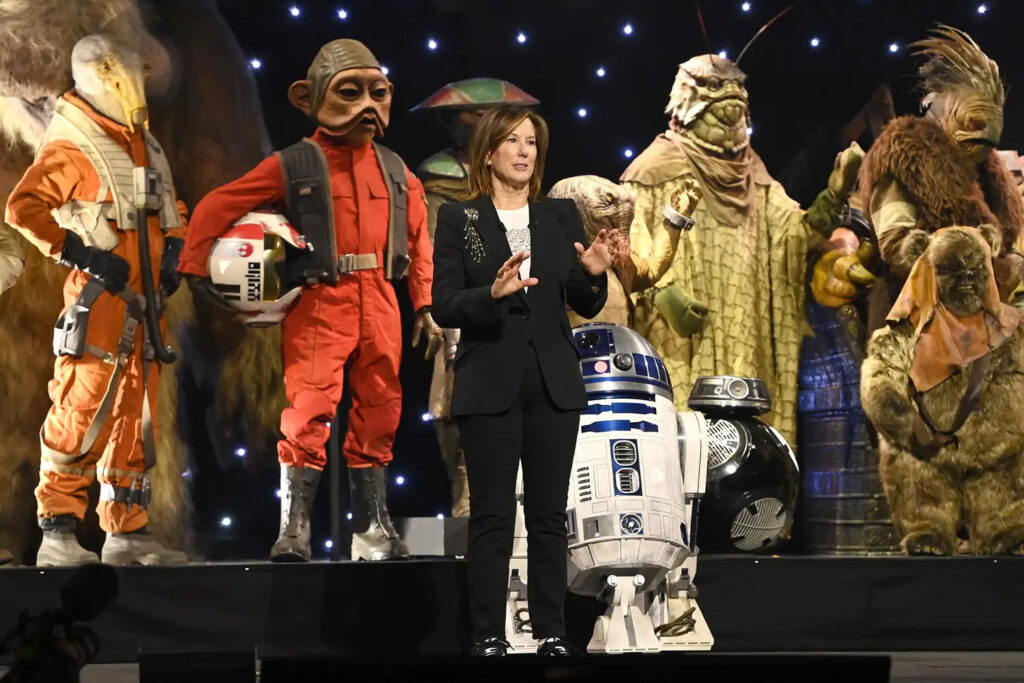
Disney executives praised Kennedy’s legacy as she departs. CEO Bob Iger highlighted her role as a leader personally chosen by George Lucas, while Alan Bergman credited her with shaping Lucasfilm for more than a decade during a period of immense change.
Kennedy’s departure closes one era of Star Wars; one defined by reinvention, experimentation and intense fan scrutiny, as the galaxy not so far far away prepares to move forward under new stewardship.
You May Also Like