- Web Desk
- 2 Hours ago
Kathryn Ruemmler’s journey from White House to Wall Street, and then Epstein’s inner circle
-

- Web Desk
- Feb 08, 2026

Kathryn Ruemmler has spent much of her career operating at the highest, most discreet levels of American power, from serving as White House counsel under President Barack Obama to becoming one of Wall Street’s most influential lawyers as general counsel of Goldman Sachs.
But newly unsealed court records are recasting her past in a far more complicated light, raising fresh questions not just about Jeffrey Epstein, but about the blurred boundaries between informal legal advice, power, and accountability.

The latest filings don’t hinge on whether Ruemmler formally represented Epstein. Instead, they expose something potentially more consequential: how elite legal influence can function without contracts, invoices, or paper trails, and how that influence may still carry enormous weight.
According to a privilege log submitted by Epstein’s estate, Ruemmler appears to have been a recurring legal strategist during moments when Epstein’s legal exposure and reputational risk were at their peak. The descriptions portray her drafting memoranda, editing letters to a US senator, shaping public statements, and participating in efforts to stop damaging media coverage – including a now-infamous 2015 “Good Morning America” interview with accuser Virginia Giuffre that never aired.
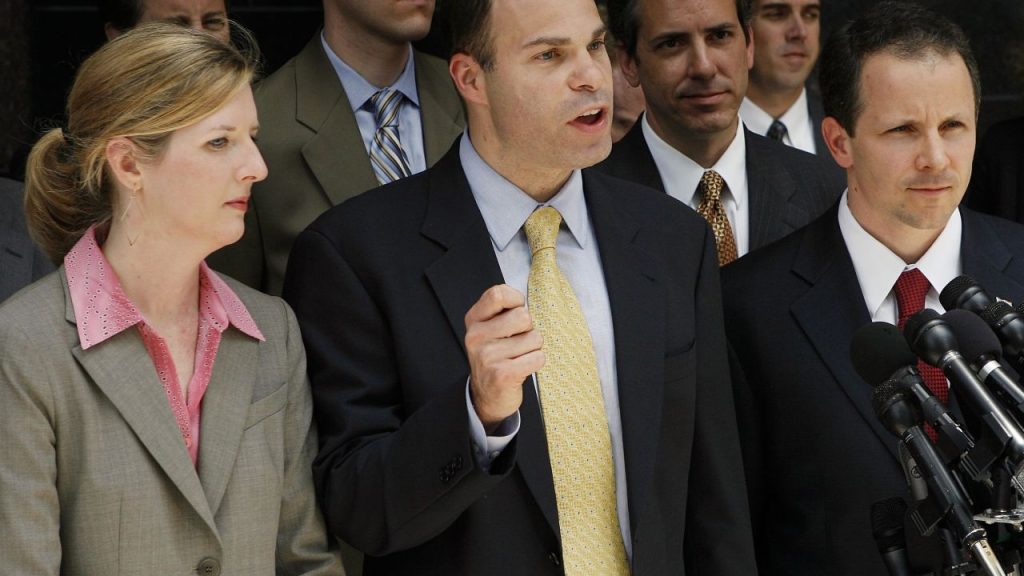
What stands out is not just the scope of the work, but the context in which it allegedly occurred. Ruemmler has said she was never compensated and never formally represented Epstein, describing their relationship as limited and informal. Legal experts note, however, that compensation and engagement letters are not required for an attorney-client relationship to exist – especially if legal advice is sought, given, and treated as confidential.
That distinction matters because the estate is now invoking attorney-client privilege to keep thousands of Epstein emails sealed. If those communications are protected, it suggests Epstein himself believed Ruemmler was acting as his lawyer, regardless of how she later characterised the relationship.

The ethical tension is unavoidable. Pro bono legal work is traditionally associated with public-interest causes or indigent clients, not ultra-wealthy figures attempting to contain fallout from sex abuse allegations. If the filings accurately describe Ruemmler’s role, they raise uncomfortable questions about how elite lawyers decide when to lend their expertise – and to whom.
The implications extend beyond Epstein. Ruemmler’s current role at Goldman Sachs has drawn scrutiny, with reports that executives discussed contingency planning amid renewed attention to her past ties. The bank has denied those characterisations, and Ruemmler herself has not been accused of wrongdoing. But reputational risk, particularly in the post-Epstein era, operates on perception as much as proof.
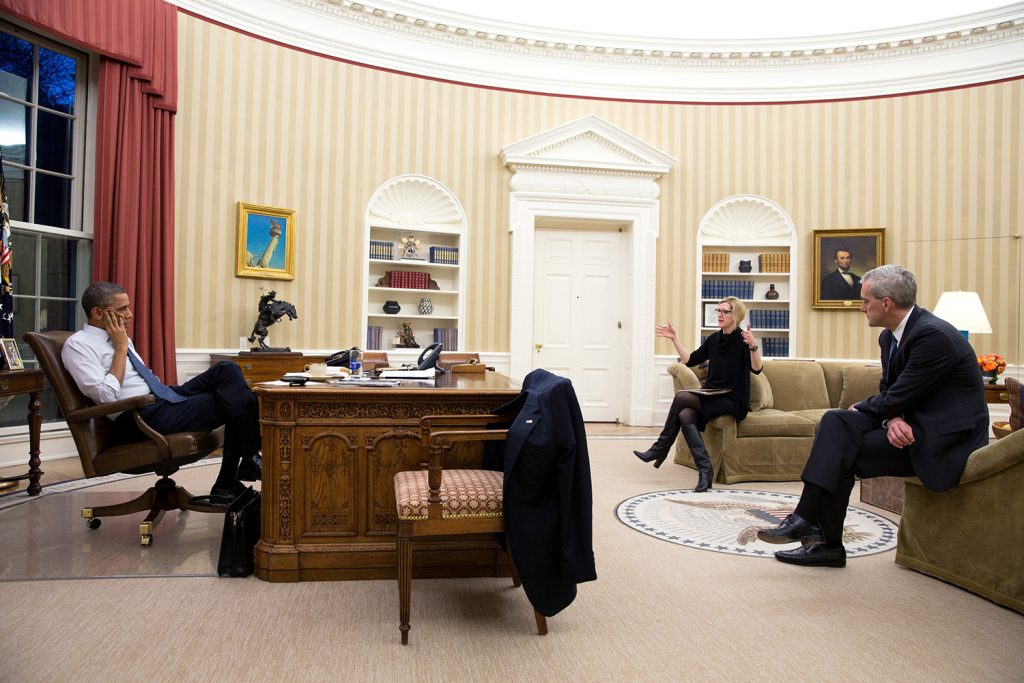
At its core, the story is less about a single lawyer and more about the quiet mechanics of power: how reputations are managed, narratives shaped, and scrutiny deflected – often far from public view. The newly unsealed documents don’t answer every question. But they sharpen one that has lingered since Epstein’s downfall: who helped him, how, and why so much remained hidden for so long.
You May Also Like