- Web Desk
- 3 Minutes ago
Klimt’s Elisabeth Lederer sells for millions —here’s why collectors went wild
-

- Web Desk
- Nov 20, 2025
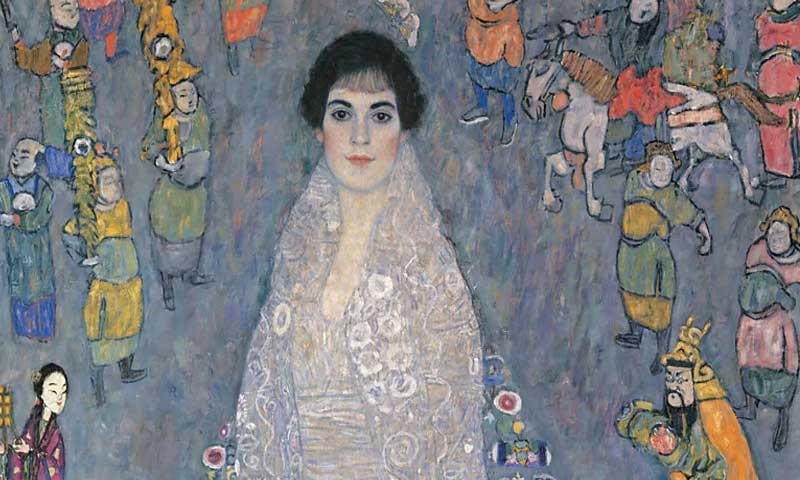
WEB DESK: Gustav Klimt’s Portrait of Elisabeth Lederer sold for a staggering $236 million in New York this month, setting a new record for modern art at auction. Experts say the price reflects a rare convergence of late-period artistic brilliance, layered symbolism, historical intrigue, and scarce provenance that few works can match.
Painted between 1914 and 1916, the nearly two-metre portrait comes from Klimt’s late period, when he moved away from the gilded glamour of his famous “Golden Period.” Instead of metallic gold, Klimt embraced vivid, prismatic colours, from deep blues to rich crimsons. Critics describe the effect as a “reverse alchemy”: a shift from ornamental luxury to psychologically charged intensity. For collectors, these late works are rarer, more complex, and considered a mature artistic statement, adding both cultural and market value.
The painting is also rich in symbolism. Lederer’s cocoon-like gown swirls with dragons inspired by Qing Dynasty textiles, while subtle ovoids and concentric “cell-like” forms reveal Klimt’s fascination with anatomy and embryology. This combination of imperial and microscopic motifs creates a dialogue between power, identity, and origin, a layered complexity that resonates strongly with collectors and museums alike.
Historical context adds another layer. Lederer, the daughter of a loyal Klimt patron, survived Nazi persecution by falsely claiming Klimt as her father—a story of reinvention subtly echoed in the portrait’s butterfly-like imagery. This wartime survival narrative deepens the painting’s cultural resonance.
Provenance scarcity further amplified its value. After disappearing from public view for decades, the portrait resurfaced in the early 1980s and eventually entered Leonard Lauder’s private collection. Its combination of rarity, artistic significance, and market desirability created the perfect environment for record-breaking bidding.
The USD236 million price tag demonstrates that collectors today are willing to pay extraordinary sums for works that blend artistic innovation, symbolic depth, historical drama, and provenance rarity, and few pieces in modern art history offer such a potent mix as Klimt’s Portrait of Elisabeth Lederer.
You May Also Like