
- WEB DESK | Javed Soomro
- October 26, 2026
KP approves Pakistan’s first yak breeding, research centre in Chitral
-

- Anwar Zeb
- June 15, 2026
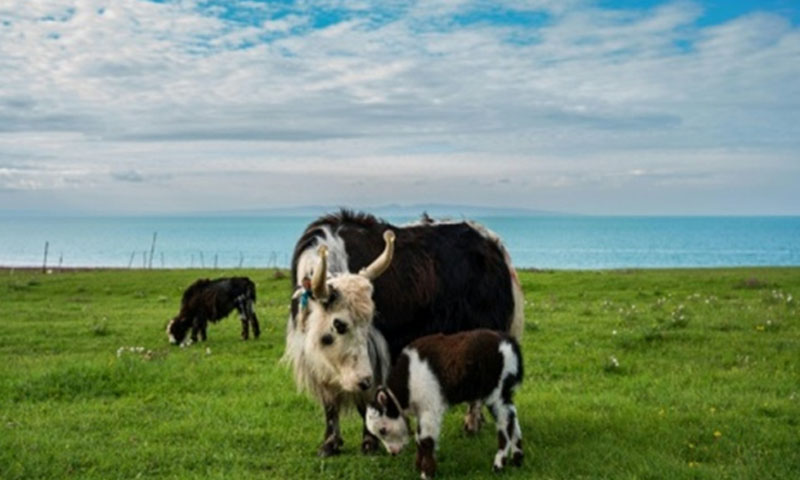
PESHAWAR: The Khyber Pakhtunkhwa government has approved a project to establish the country’s first dedicated yak research station in the remote Broghil Valley near the Afghan border, aiming to conserve the endangered high-altitude species and boost livelihoods in the mountainous Chitral region, official budget documents showed.
The project, included in the province’s Annual Development Programme (ADP) for fiscal year 2026-27, carries a total estimated cost of Rs300 million ($1.1 million) and will be implemented over three years.
According to documents, the research station will be built on 100 kanals of land in Broghil, a high-altitude valley in Upper Chitral near the Wakhan Corridor, one of Pakistan’s most remote regions bordering Afghanistan.
Provincial authorities have allocated Rs30 million for the first phase of the project during the 2026-27 fiscal year, including Rs10 million for capital expenditure and Rs20 million for operational costs.
The facility will house a nucleus herd of 50 yaks to support scientific breeding, reproduction and genetic improvement programmes aimed at increasing the population of the species, whose numbers have declined sharply in Pakistan.
Government documents show that the yak population in Khyber Pakhtunkhwa has fallen to 1,923 animals, with 1,911 concentrated in Upper Chitral and only 12 remaining in Lower Chitral, according to data from Pakistan’s 2024 Agriculture Census.
The yak (Bos grunniens), a long-haired bovine species adapted to elevations ranging from 2,000 to 6,000 metres, is regarded as a vital source of food and income for communities living in the harsh climatic conditions of the Hindu Kush mountain range.
The animal provides meat, milk, butter, wool, hides and transport services, making it an important component of the local economy in high-altitude areas.
“The core aim of the project is to improve the socio-economic conditions of the farming community in the high-altitude areas of Chitral through enhanced productivity of yak,” the project document said.
Officials said that the station would conduct research on yak reproduction, health, nutrition and productivity under local climatic conditions while developing improved breeding stock through selective breeding programmes.
The project is also intended to help preserve the species, which has been classified as endangered by the International Union for Conservation of Nature (IUCN), amid concerns over habitat loss, unregulated crossbreeding and declining populations across parts of the Himalayan region.
Authorities estimate that a single yak currently sells for between 350,000 and 400,000 rupees in local markets.
In addition to livestock development, the project seeks to promote yak-based eco-tourism in Chitral by integrating the animal into festivals, trekking expeditions and cultural events aimed at attracting visitors to the scenic mountain region.
The government said the research station would also provide training to local farmers in modern yak husbandry practices and value-added production of yak-based products, helping strengthen local supply chains and create new employment opportunities.
Officials expect the facility to serve as a centre for scientific research, attracting students, researchers and policymakers interested in high-altitude livestock management, while supporting broader efforts to improve food security and rural incomes in one of Pakistan’s most isolated regions.
You May Also Like