- WEB DESK
- 34 Minutes ago
KP chief minister urges PM to withdraw newly imposed tax on merged districts, Malakand
-

- WEB DESK
- 3 Minutes ago
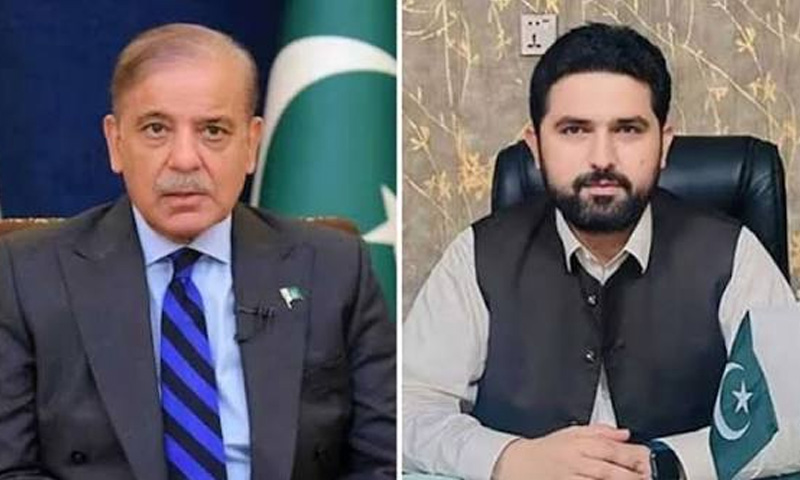
PESHAWAR: Khyber Pakhtunkhwa Chief Minister Sohail Afridi has formally written an urgent letter to Prime Minister Shehbaz Sharif, appealing to the federal government to review and defer its decision to terminate the long-standing tax exemption for the merged tribal districts and the Malakand Division.
In the letter, Afridi argued that withdrawing the tax-free status of the erstwhile Federally Administered Tribal Areas (FATA) and Provincially Administered Tribal Areas (PATA) would severely damage local businesses, stall economic activity, and run counter to the broader interests of the province.
The chief minister highlighted that following the historic 2018 merger of the former tribal agencies into Khyber Pakhtunkhwa, several commitments made by the federal government remain unfulfilled.
He pointed out that the provincial administration is currently bearing the brunt of the financial and administrative burdens of the integration entirely on its own.
Afridi noted that Khyber Pakhtunkhwa has yet to receive its agreed-upon financial share earmarked for the development of the merged districts under the National Finance Commission (NFC) Award.
“The decision to eliminate these tax exemptions was made without taking the provincial government into confidence,” Afridi wrote, asserting that such unilateral action violates the core principles of inter-governmental cooperation and federalism.
He reminded the prime minister that the Khyber Pakhtunkhwa Assembly has already unanimously passed a resolution demanding a delay in the imposition of the tax.
Given the unique constitutional and economic vulnerabilities of Malakand and the merged districts, the chief minister urged the federal government to withdraw or postpone the taxes to maintain public trust and protect regional livelihoods.
July 1, 2026, the federal government ended the decades-old tax holiday for the two regions to bring the border regions into the formal national tax net for the first time since Pakistan’s independence.
Under the federal budget for the fiscal year 2026-27, industrial units operating within these territories are now required to pay a 12 per cent sales tax on industrial production and a 7 per cent income tax.
Historically, FATA and PATA were granted constitutional exemptions from federal levies to mitigate severe economic backwardness, historic neglect, and infrastructural deficits.
When the 2018 merger took place, a temporary tax waiver was extended to shield the local economy. However, the expiration of this waiver on July 1 has triggered widespread anxiety across the regional business community.
Industrial Collapse and Mass Layoffs Feared
Local industrialists and trade leaders have warned that the sudden imposition of taxes could permanently cripple a manufacturing base already suffering from deteriorating security conditions and severe logistical bottlenecks.
According to data from the provincial department of industries, the merged districts and Malakand Division house hundreds of manufacturing units operating in the steel, ghee, and textile sectors, employing tens of thousands of local residents.
“The merged districts are still plagued by terrorism, underdevelopment, and unemployment,” said Al-Haj Muhammad Shafique Afridi, a prominent steel mill owner and former provincial lawmaker from Jamrud.
“The government has a right to collect taxes only after it provides infrastructure on par with other industrial hubs like Punjab and Sindh.”
Industrialists cited broken roads, chronic power outages, a shortage of skilled labor, inadequate banking facilities, and exorbitant freight costs from the Karachi seaport as factors that inflate local production costs.
Pakistan Borders’ Trade Council Chairman Syed Jawad Hussain Kazmi said that at the time of the merger, Islamabad had given verbal assurances of a 10-year tax-free transition period.
“Due to the resurgence of militancy and the suspension of Pak-Afghan bilateral trade over the past eight months, more than 50 percent of the industrial units in these areas have already shut down,” Kazmi warned.
“Imposing these taxes now will destroy the remaining industries, trigger mass layoffs, and worsen the law and order situation.”
Business delegations have already taken up their grievances with Federal Commerce Minister Jan Jamali who had indicated the federal cabinet might consider a short-term extension or an alternative relief package.
You May Also Like