- Web Desk
- 15 Minutes ago
Kumamoto earthquake and China tensions test Japan amid Trump’s call for calm
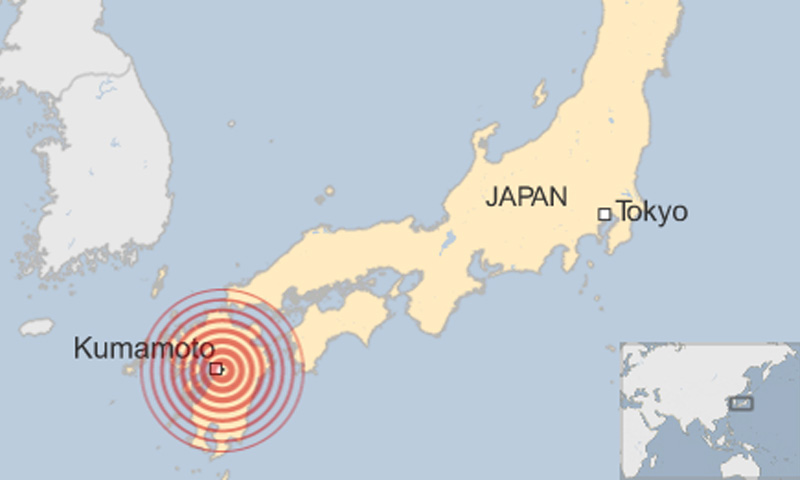
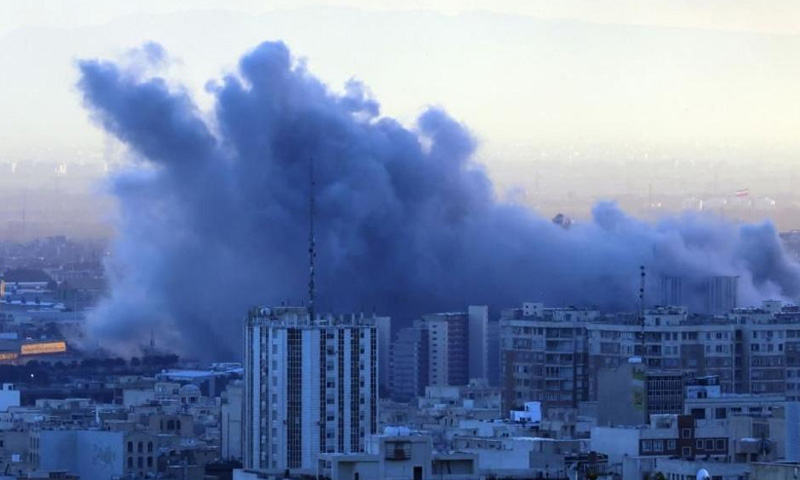
In a week already marked by geopolitical tension and natural upheaval, Japan is juggling both diplomatic and domestic challenges after a powerful earthquake struck Kumamoto just two days before a closely watched call between US President Donald Trump and Prime Minister Sanae Takaichi.
The magnitude-5.8 quake, which rattled Kumamoto Prefecture on Tuesday evening, caused strong shaking across the region and left at least one resident injured. While seismologists warn that aftershocks of similar strength may follow, government officials have been working to reassure the public and shore up emergency responses. The Japan Meteorological Agency has urged residents to remain alert for landslides and unstable ground, especially in the hardest-hit areas.
That same evening, against the backdrop of the tremor and rising public anxiety, Prime Minister Takaichi received a phone call from President Trump. According to sources familiar with the conversation, Trump pressed Japan to avoid inflaming its diplomatic rift with China, which erupted after Takaichi suggested earlier this month that a theoretical Chinese attack on Taiwan could prompt Japanese military involvement. The remarks triggered a furious response from Beijing, sending bilateral ties into one of their tensest moments in years.
Trump’s request, relayed shortly after a separate call with Chinese President Xi Jinping, appeared aimed at preserving a fragile US-China trade truce and preventing fresh turbulence ahead of his planned visit to Beijing in April. While the White House highlighted “strong relations” with both China and Japan, Trump has refrained from publicly weighing in on Japan’s dispute with Beijing, a silence that has unsettled some lawmakers in Tokyo who hoped for a more explicit show of support.
Analysts say the timing of these developments has left Japan navigating multiple fronts at once: domestic safety concerns following the Kumamoto quake, a looming test of regional stability over Taiwan, and the challenge of interpreting Washington’s priorities at a delicate moment in East Asia.
For Takaichi, the convergence of a natural disaster and diplomatic storm underscores the balancing act her government faces, managing an anxious public while trying to prevent the already fraught China-Japan relationship from spiraling further. And with experts warning that both seismic aftershocks and political aftershocks could continue, Japan may be entering a week where caution, both geologic and diplomatic, is in high demand.
You May Also Like