
- Reuters
- October 26, 2026
Lahore hospitals see surge in gastro cases after Eid ul Azha overindulgence
-

- Zoya Anwer
- May 29, 2026
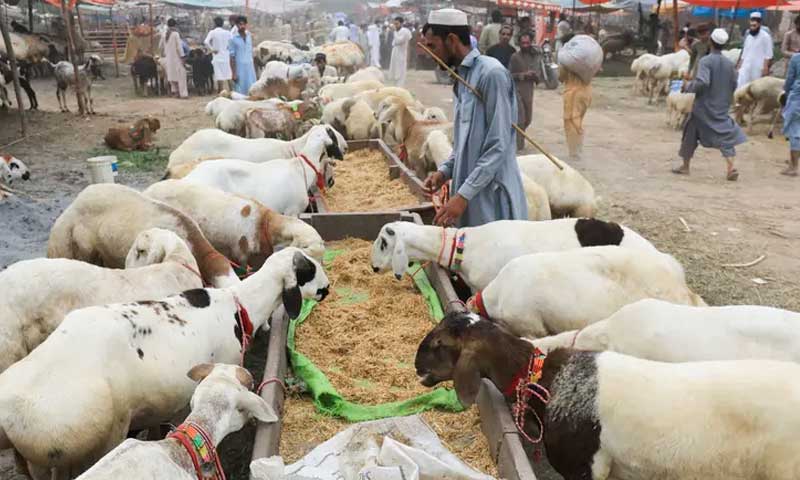
A large number of citizens in Lahore have fallen ill with diarrhoea and gastroenteritis following overeating during Eid ul Azha, putting additional pressure on major public hospitals across the city, officials and medical sources said.
Health data from six major government hospitals in the provincial capital showed that more than 9,000 patients were treated for stomach-related illnesses in the days following the festival, as hospitals reported a sharp rise in admissions linked to excessive consumption of meat and unhygienic food handling.
At Mayo Hospital alone, more than 2,000 patients with diarrhoea and gastroenteritis were reported. Jinnah Hospital received around 1,500 such cases, while Services Hospital treated over 1,200 patients with similar symptoms, according to hospital records.
Similarly, General Hospital and Gangaram Hospital together reported more than 1,000 cases of gastro-related illnesses, with emergency wards remaining busy throughout the post-Eid period as doctors managed dehydration and food-borne infections.
Medical experts attributed the spike in cases to overeating, improper food storage, and the consumption of spicy and fatty meat dishes during the Eid celebrations, which often strain the digestive system, particularly in hot weather conditions.
Doctors have advised citizens to adopt caution in their diet during the festive period, especially when consuming meat-heavy meals. They recommended moderation in portion sizes and warned against eating improperly stored or reheated food.
Health specialists also urged individuals with high blood pressure and other chronic conditions to avoid excessively spicy meat dishes. They further suggested that fresh salads and fibre-rich foods be included in meals to aid digestion and reduce health risks. Authorities said awareness campaigns are needed each year ahead of Eid ul Azha to reduce preventable hospital admissions caused by dietary excess and poor food hygiene practices.
You May Also Like


- Reuters
- October 26, 2026
Who are leading candidates in Israel’s election?

- Reuters
- October 26, 2026
