- Web
- 5 Hours ago
Larijani’s killing will not shake Iran’s political system: Araghchi
-

- Web Desk
- Mar 18, 2026
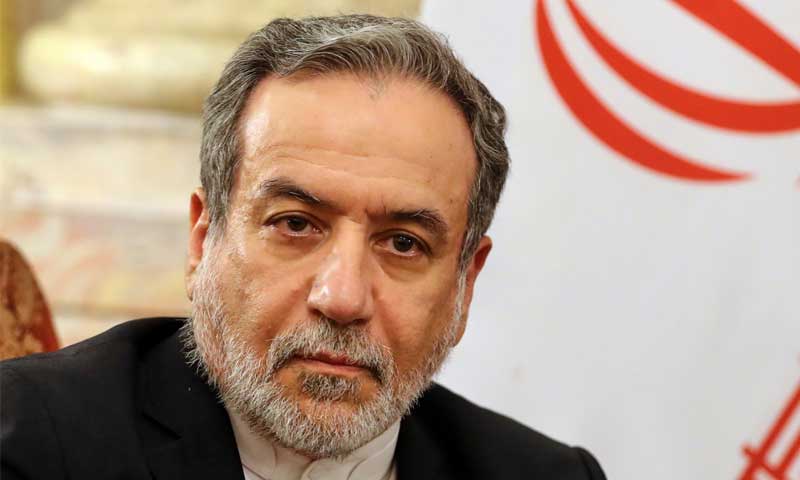
Iran’s foreign minister has said the killing of senior security official Ali Larijani will not destabilise the country’s political order, insisting that Tehran’s system of government is built on institutions, not individuals.
Speaking to Al -Jazeera after Iran confirmed Larijani’s death, Foreign Minister Abbas Araghchi said the United States and Israel had failed to understand the nature of the Islamic Republic’s power structure. He argued that Iran’s political, economic and social institutions were deeply rooted and would continue to function regardless of whether senior figures were removed.
Araghchi said individual leaders do matter and can influence events in different ways, but maintained that the state itself was larger and more durable than any one office-holder. According to him, the death of a top official, even one as influential as Larijani, would not cause the system to collapse.
To make that point, he pointed to the earlier killing of Supreme Leader Ayatollah Ali Khamenei, saying that even the loss of the country’s highest authority had not brought state functioning to a halt. He said the system had continued operating and had quickly moved to fill the vacuum, adding that the same would happen if any other senior official were killed.
Larijani, 67, was among the most prominent figures eliminated since the start of the conflict, and his death marked the removal of one of Tehran’s most experienced political insiders. A longtime confidant of the late Khamenei and someone seen as close to the current leadership, Larijani had occupied key positions across Iran’s security and political establishment for decades.
Iranian media also reported the killing of Brigadier General Gholamreza Soleimani, head of the Basij forces, in what officials described as an attack by the “American-Zionist enemy”. Soleimani had led one of Iran’s most powerful internal security organisations and was seen as an important figure in the country’s wartime response.
Commenting on the broader conflict, Araghchi said Tehran did not start the war and blamed Washington for its outbreak and consequences. He said the United States bore responsibility for the human, financial and regional costs of the fighting, and should ultimately be held accountable.
While analysts say Iran’s political system is unlikely to implode because of a single assassination, the continued removal of senior figures could still have consequences for the country’s internal balance of power and wartime decision-making.
You May Also Like