- Web
- 1 Hour ago
Late Ayatollah Khamenei’s wife dies from wounds sustained in US‑Israeli strikes
-

- Web Desk
- Mar 02, 2026
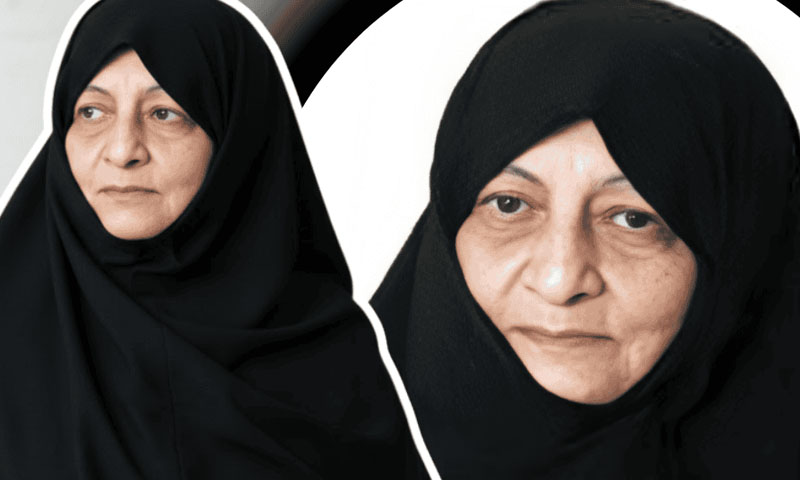
TEHRAN: Mansoureh Khojasteh Bagherzadeh, the widow of Iran’s late Supreme Leader Ayatollah Ali Khamenei, has died from injuries she suffered during a US and Israeli missile attack on Tehran, Iranian state media reported on Monday, deepening the emotional and political impact of the rapidly escalating Middle East conflict.
Iranian state broadcasters said Bagherzadeh, 78, succumbed to wounds sustained in the barrage that struck Iran’s capital late last week as part of a massive joint offensive by Washington and Tel Aviv. The strikes, aimed at degrading Tehran’s military capabilities and leadership structures, also killed Khamenei in a strike on his secure compound, according to Iranian and U.S. officials.
Her death, confirmed by official outlets and referenced by multiple news agencies, adds to the toll of senior figures affected by the military campaign that has shattered decades‑long norms around targeting of senior leadership in the Islamic Republic.
Bagherzadeh, who was married to Khamenei for more than three decades, was widely respected in Iranian clerical circles and played a significant behind‑the‑scenes role in supporting social and religious initiatives. Her passing sparked formal condolences from high‑ranking clerics and state officials, who described her as a devoted partner to the late leader.
The latest developments occur amid sweeping regional retaliation following the initial U.S.‑Israel military offensive. Iran has launched missiles and drones at Israeli territory and U.S. military installations across the Gulf, prompting air defence alerts and civilian casualties in several Arab states.
Iran has declared 40 days of national mourning after Khamenei’s death, with state media airing scenes of grief in cities such as Tehran and Isfahan. Thousands of Iranians participated in official mourning rallies, while small pockets of discreet celebration also emerged in a testament to deep societal divisions over the late leader’s legacy.
In response to the strikes and rising civilian deaths, political and religious parties in neighbouring Pakistan condemned the killing of Khamenei as a “grave violation of international law” and urged an immediate end to further aggression, warning that the conflict could further destabilise an already volatile region.
The death of Bagherzadeh — coming amid a war that has already seen major strategic blows to Iran’s top leadership, including the deaths of high‑ranking military commanders and senior officials — amplifies the conflict’s human toll and its implications for regional dynamics.
International reactions to the strikes remain sharply divided. Key global capitals have urged restraint and negotiation to prevent a broader conflagration, while others have backed measures purportedly aimed at reducing Iran’s nuclear and missile threats. As the conflict widens, diplomatic channels have been strained and calls for a ceasefire have grown louder.
You May Also Like