
- Web Desk
- 4 Hours ago
Lawmakers accuse govt of penalising rooftop solar users, demand transparent policy
-

- Web Desk
- Feb 11, 2026
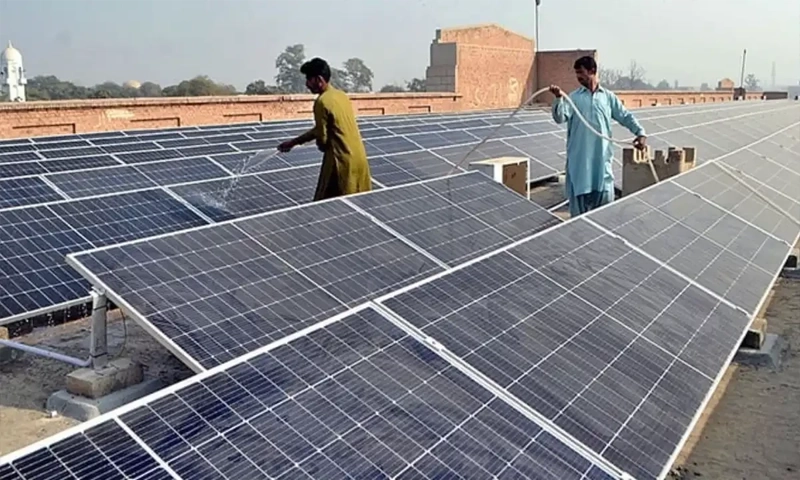
WEB DESK: Senators from both treasury and opposition benches mounted strong criticism of the federal government during a Senate session on 11 February 2026 over the National Electric Power Regulatory Authority’s (NEPRA) decision to overhaul the country’s net metering regime.
The regulator notified the Prosumer Regulations, 2026 on February 10, replacing the decade-old one-to-one net metering system with a net billing framework for rooftop solar users and small-scale generators of up to one megawatt.
The policy shift
Under the new framework, electricity distribution companies will purchase surplus power generated by prosumers households, businesses and industries at the national average energy purchase price. Electricity supplied from the grid will continue to be charged at the applicable consumer tariff.
The change effectively ends the previous arrangement under which surplus solar generation was credited at retail rates, reportedly between Rs25 and Rs27 per unit. The revised mechanism introduces a lower buyback rate while maintaining existing grid tariffs.
The government argues that the reform is necessary to prevent rising costs being passed on to the wider consumer base, noting that approximately 466,000 consumers are registered under net metering out of a total of 33.5 million electricity users nationwide. Officials contend that the earlier system created an imbalance, benefiting a relatively small segment of consumers at the expense of the majority.
Senate debate
Senator Zarqa Suharwardy tabled a resolution opposing the regulations, warning that the changes could discourage investment in rooftop solar and undermine Pakistan’s renewable energy transition. She called for a transparent and comprehensive solar policy, accusing independent power producers (IPPs) of exploiting the system and urging reforms that prioritise ordinary citizens grappling with high energy costs.
Pakistan Tehreek-e-Insaf (PTI) Parliamentary Leader Senator Ali Zafar accused the government of reneging on prior assurances from Energy Minister Awais Ahmed Leghari that the solar policy would not be withdrawn. He described IPPs as a “powerful mafia” receiving payments even when not generating electricity, and characterised the regulatory change as unjust to citizens who had invested in solar installations in good faith. He further questioned the broader implications for investor confidence and demanded that the NEPRA chairman be summoned to the Senate.
Pakistan Peoples Party (PPP) Senator Sherry Rehman also backed the resolution. She highlighted the high cost of electricity in Pakistan compared with regional peers, non-payment of dues by certain government institutions, the burden of multiple taxes and surcharges on bills, and continued load-shedding despite official claims of surplus generation. She warned that economic instability and rising unemployment risk deterring both domestic and foreign investment.
Government’s position
Responding to the criticism, Energy Minister Leghari maintained that the move constituted a regulatory adjustment rather than a policy reversal. He argued that purchasing solar-generated electricity at Rs27 per unit — when generation costs were significantly lower was unsustainable and unfair to the broader consumer base.
The minister stated that no contractual terms for existing consumers had been altered and that stakeholder consultations had taken place over the preceding 10 to 12 months. He further asserted that even representatives of the solar industry had acknowledged the need for reform.
Mr Leghari attributed high electricity tariffs in part to rupee depreciation in previous years and pointed to what he described as progress in renewable energy integration, noting that Pakistan had achieved 55 per cent green energy generation by 2025. He added that ongoing power sector reforms had received positive assessments from international financial institutions, including the World Bank.
Resolution rejected
The presiding officer put Senator Suharwardy’s resolution to a vote, and it was rejected by the House. The debate underscores the broader tension between encouraging renewable energy adoption and ensuring the financial sustainability of Pakistan’s power sector. While critics argue that the revised framework may slow rooftop solar uptake, the government maintains that the measure is necessary to protect lower-income consumers and preserve grid stability amid persistent energy sector challenges.