- Web Desk
- 4 Minutes ago
Lebanon at the Crossroads: PM Warns of Civil War Risk as Israel Talks Loom
-

- Web Desk
- 1 Minute ago
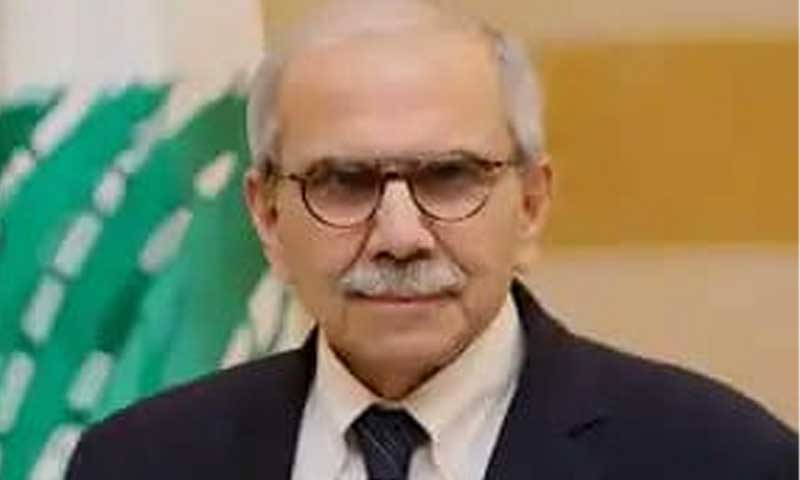
WEB DESK: Lebanese Prime Minister Nawaf Salam has issued a stark warning regarding the fragile state of national stability, urging citizens to embrace unity to avoid a descent back into internal strife.
Speaking on the 51st anniversary of the start of the Lebanese Civil War, Salam’s remarks come at a pivotal moment for the Mediterranean nation as it grapples with a deepening economic crisis and significant shifts in its foreign policy, according to Syrian Arab News Agency.
The Prime Minister underscored the historical weight of the date, reminding the public that the scars of the past remain a haunting lesson for the present generation.
The failure of the Taif agreement
In a moment of notable political candour, Salam acknowledged that Lebanon has struggled to meet the fundamental requirements of the 1991 Taif Agreement.
The peace accord, which was designed to end the fifteen-year conflict, mandated the full extension of state authority across every corner of Lebanese territory. However, the Prime Minister admitted that the government has yet to achieve a monopoly over arms, a direct reference to the various armed factions that continue to operate outside the official military framework.
This failure to consolidate power within state institutions has long been cited by analysts as the primary hurdle to Lebanon’s long-term security and sovereign integrity.
Diplomatic high stakes in Washington
The Prime Minister’s address serves as a somber prelude to a landmark week in Lebanese diplomacy. For the first time in decades, Beirut is preparing for direct negotiations with Israel, scheduled to take place in Washington.
These talks are expected to focus on long-standing border disputes and maritime security, representing a shift in the regional status quo.
By highlighting the internal risks of civil unrest now, Salam appears to be attempting to solidify a domestic front before facing the international community.
The outcome of the Washington summit is seen as a “make-or-break” moment that could either provide the state with much-needed legitimacy or further inflame existing domestic tensions.
You May Also Like