
- Reuters
- September 15, 2026
Leopard sightings highlight growing ecological strain in Islamabad
-

- Zoya Anwer
- May 4, 2026
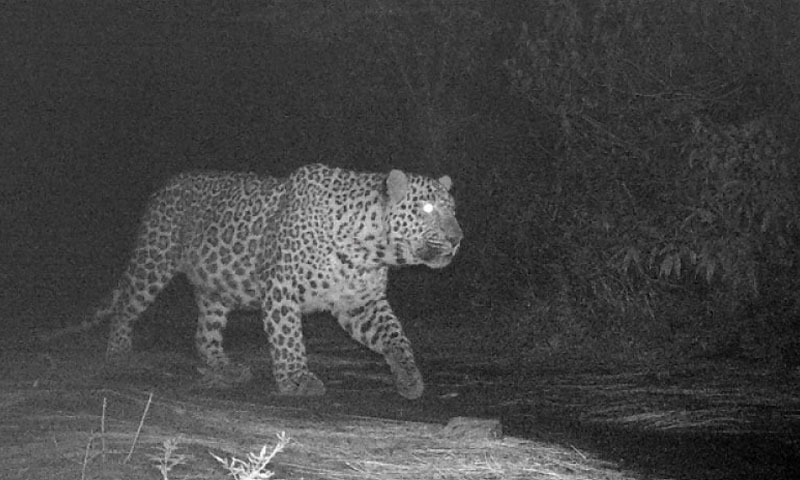
ISLAMABAD: A series of leopard sightings in and around the federal capital has raised fresh concerns about increasing human–wildlife interaction in the Margalla Hills National Park, with experts warning that shrinking habitats are forcing animals closer to urban spaces.
In March, a Common Leopard was spotted on the campus of the National University of Sciences and Technology (NUST), followed by reports from nearby localities. Authorities from the Islamabad Wildlife Management Board responded by installing trap cages and issuing safety advisories. The animal has yet to be located, though no injuries were reported.
Conservationists say the incident reflects a broader pattern rather than an isolated incident. As International Leopard Day was marked this week, WWF-Pakistan highlighted that increasing leopard movement near populated areas points to habitat loss, declining prey, and rapid urban expansion around the Margalla range.
Environmental experts warn that development projects near protected zones are fragmenting habitats and disrupting natural wildlife corridors. “This is not just adaptation, it is displacement,” said Muhammad Jamshed Iqbal Chaudhry of WWF-Pakistan, noting that animals are being pushed into human-dominated areas as ecosystems shrink.
Such overlap often leads to conflict, particularly when leopards prey on livestock, prompting retaliatory actions by affected communities. To address this, WWF-Pakistan has launched a livestock insurance initiative in the Galiyat region, aimed at compensating farmers and reducing hostility towards predators.
Alongside community-based measures, conservation efforts are expanding to include habitat protection, awareness campaigns, and improved monitoring. Tools such as AI-enabled camera traps and GPS tracking are being used to better understand leopard movements, while wildlife staff are receiving training to enhance response and enforcement capabilities.
Experts caution that without timely and coordinated action, encounters between humans and wildlife are likely to increase, particularly along the expanding urban fringes of Islamabad.
You May Also Like

- WEB DESK
- September 15, 2026
Petrol price rises by Rs4.10, diesel by Rs6.41 per litre

- Reuters
- September 15, 2026
Samson, Reddy lead India to series-clinching win over Afghanistan

- WEB DESK
- September 15, 2026