- Web Desk
- 12 Minutes ago
Mahnaz Mohammadi brings Iran’s Evin Prison ordeal to Berlinale with ‘Roya’
-

- Web Desk
- Feb 16, 2026
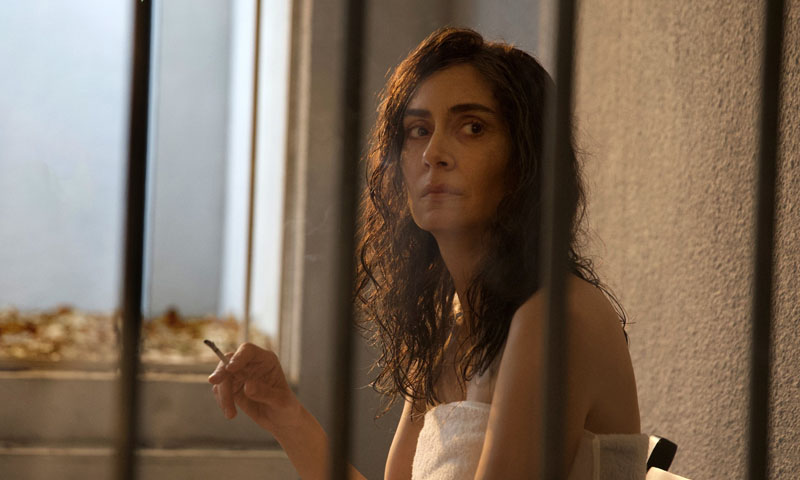
BERLIN: Iranian documentary filmmaker and women’s rights activist Mahnaz Mohammadi says she turned to fiction to confront and portray her experiences inside Tehran’s notorious Evin Prison, where she was previously detained.
Her latest film, “Roya”, is set to premiere at the Berlin International Film Festival on Wednesday. The film follows a fictional teacher imprisoned in Evin, but Mohammadi describes it as deeply personal, shaped by her own arrests on charges including endangering national security and spreading propaganda.
Speaking to Reuters in Berlin, Mohammadi said she had to carefully balance the storytelling. “If I wanted to make my personal story, it couldn’t be showable. I censored a lot for the film to make it a little bearable to watch,” she said, adding that a conventional narrative style was not enough to capture the trauma she wanted audiences to experience.
Mohammadi, who has not been permitted to make films in Iran since her 2019 fiction feature “Son-Mother”, shot Roya underground in Iran.
The film opens from a first-person perspective inside Evin Prison, depicting flickering lights, screams of inmates, interrogation tactics and cramped cells. It then shifts focus to the character Roya, played by Turkish actor Melisa Sozen, as she drifts between past and present in a dream-like narrative reflecting psychological distress and dislocation.
Evin Prison has long been associated with the detention of political prisoners, intellectuals and dual nationals. Human rights groups have repeatedly alleged the systematic use of torture there, accusations Iranian authorities have denied.
Mohammadi described returning to filmmaking after her imprisonment as painful but necessary. “For me, to be in front of the camera is one of the most painful things because when they torture you, you sit in front of the camera,” she said.
She declined to elaborate on her personal ordeal, stressing that Roya is not a direct testimony but represents a broader, shared experience of repression.
The film premieres at a time when Iran has again drawn international scrutiny following a sweeping crackdown on nationwide protests — described by rights groups as the bloodiest since the 1979 Islamic Revolution.
Mohammadi said the latest wave of arrests and intimidation underscored how difficult life had become in Iran. Despite the uncertainty, she expressed hope of returning home after completing her current projects.
“My home is Iran, but now I have no home. I am like a nomad, travelling until I finish my project,” she said.
You May Also Like