- Web Desk Faizan Khan
- 2 Hours ago
Major airlines suspend Israel and Middle East flights amid Iran tensions
-

- Web Desk
- Jan 24, 2026
WEB DESK: Major Western airlines abruptly cancelled dozens of flights to Israel and several Gulf destinations on January 23, as fears of a broader regional escalation grew following warnings from Türkiye that Israel may be preparing for military action against Iran. The sudden disruptions left thousands of passengers stranded across Europe and North America and underscored rising anxiety within the aviation industry over Middle East security risks.
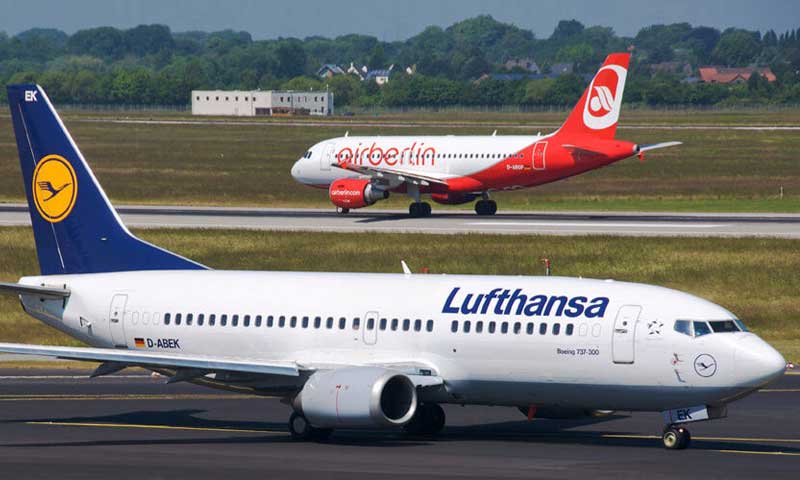
Among the carriers affected were KLM Royal Dutch Airlines, Air France, British Airways, Lufthansa and Swiss International Air Lines, all of which suspended services to Tel Aviv. Some airlines also halted flights to Dubai, Saudi Arabia and the United Arab Emirates. The cancellations began late Thursday night and were expected to extend through the weekend, according to airline advisories.
Air Canada scrapped several Israel-bound flights scheduled for Friday, while United Airlines also suspended its services to the country. Industry sources noted that the near-simultaneous decisions by multiple carriers pointed to shared security assessments rather than isolated operational issues.
Türkiye issues warning over Israel-Iran tensions
The flight suspensions followed comments by Turkish Foreign Minister Hakan Fidan, who said Israel appeared to be seeking an opportunity to strike Iran despite the risks of wider instability. Speaking to Turkish broadcaster NTV, Fidan said he hoped escalation could still be avoided but warned that Israel’s posture suggested otherwise.
Asked whether his assessment also applied to the United States, Fidan said his remarks were directed primarily at Israel. He added that Ankara had conveyed its concerns directly to Iranian leaders during recent high-level contacts.
Türkiye has increasingly positioned itself as an active diplomatic player in the region as tensions between Israel and Iran deepen through proxy conflicts and periodic direct confrontations.
Israeli airports see major disruption
The impact of the cancellations was felt immediately in Israel, where Ben Gurion International Airport experienced widespread disruption. International flights were grounded for hours, and Israel’s national carrier, El Al, suspended operations indefinitely. Domestic flights were also affected, further complicating travel within the country.
KLM cancelled multiple overnight flights to Tel Aviv and extended the suspension through Sunday, while also cutting selected routes to Gulf destinations. Air France halted flights to both Tel Aviv and Dubai, citing the deteriorating security environment. British Airways cancelled its scheduled evening service to Dubai, while the Lufthansa Group, including Swiss and Austrian Airlines, expanded earlier restrictions that had limited flights to daytime operations only.
Security assessments drive airline decisions
Aviation experts say airlines are typically reluctant to cancel flights due to the high financial and logistical costs involved. The coordinated nature of the suspensions suggested that carriers were acting on credible threat assessments rather than precautionary speculation.
By Thursday evening, Israeli airspace was reported to be largely empty as international carriers avoided the region. Some passengers described last-minute cancellations and shifting travel plans as airlines scrambled to adjust schedules. One traveler said a KLM flight from Amsterdam to Tel Aviv was cancelled without warning, leaving passengers searching for alternatives before services were fully suspended.
Regional tensions have been building for years, with Iran backing armed groups such as Hamas and Hezbollah, while Israel has carried out strikes against Iranian-linked targets across the Middle East. Recent rhetoric from both sides has heightened fears of a direct confrontation.
Airlines said the situation remained fluid and that flight operations would be reviewed regularly. Most carriers indicated services would resume only once security conditions stabilised, leaving travelers uncertain as diplomatic efforts struggle to contain the escalating crisis.
You May Also Like