- Web
- 3 Hours ago
Majority consensus reportedly emerging on Iran’s next Supreme Leader
-

- Web Desk
- Mar 08, 2026
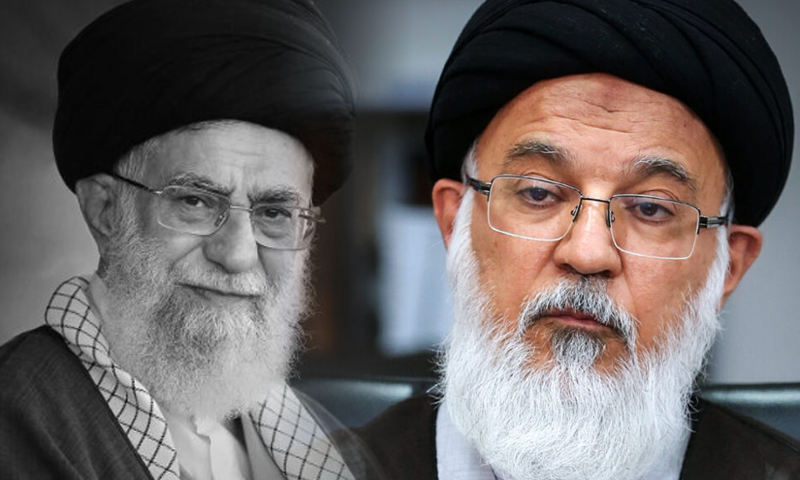
A growing majority of Iran’s powerful clerical body tasked with choosing the nation’s next supreme leader appears to have coalesced around a successor in the wake of Ayatollah Ali Khamenei’s death, Iranian media reported Sunday.
According to Mehr News Agency, Assembly of Experts member Ayatollah Mohammadmehdi Mirbagheri said most clerics have agreed on a prospective candidate, but added that “some obstacles” remain in finalising the process.
The comments underscore ongoing tensions over how the clerical elite will formalise the choice, including whether a full, in‑person session will be held, or whether the appointment can be confirmed through other means.
The Assembly of Experts meets after Ayatollah Ali Khamenei’s assassination in US-Israeli strikes on February 28, 2026. Khamenei had been Iran’s supreme leader since 1989, was the country’s most powerful political and spiritual figure, wielding ultimate authority over the military, judiciary and strategic foreign policy.
His death marked a historic turning point for the Islamic Republic after nearly four decades of stewardship. Under his leadership, Iran became a central player in Middle East geopolitics, often at odds with the United States and its regional allies.
SUCCESSION CONTENDERS AND INTERNAL DEBATE
While no official successor has yet been confirmed, a number of voices are reported to be in contention. Among them is Mojtaba Khamenei, one of Khamenei’s sons, who has emerged in recent days as a leading figure in the succession discussions due to his longstanding influence within the clerical establishment and connections with Iran’s powerful Islamic Revolutionary Guard Corps.
His potential elevation has stirred debate inside Iran, as critics argue that hereditary succession would run counter to the theocratic principles of the 1979 Islamic Revolution, which abolished dynastic monarchy and replaced it with a clerically guided republic.
Reports from Iranian opposition outlets indicate that at least 14 members of the Assembly of Experts may have boycotted an earlier session to protest what they viewed as undue influence in the decision‑making process.
CONSTITUTIONAL TIMELINE AND NEXT STEPS
Under Iran’s constitution, the Assembly of Experts – an 88‑member clerical body – must elect a new supreme leader within three months of the position becoming vacant. To expedite stability amid ongoing regional tensions and domestic uncertainty, some senior clerics have called for a swift decision in the coming days.
Despite the apparent consensus, Iran’s official state media and leadership have not yet confirmed the appointment of any individual, and several candidates remain under evaluation by clerical authorities.
You May Also Like