- WEB DESK
- October 5, 2026
Markets react to rising Middle East tensions: gold slides as oil climbs
-

- WEB DESK
- May 11, 2026
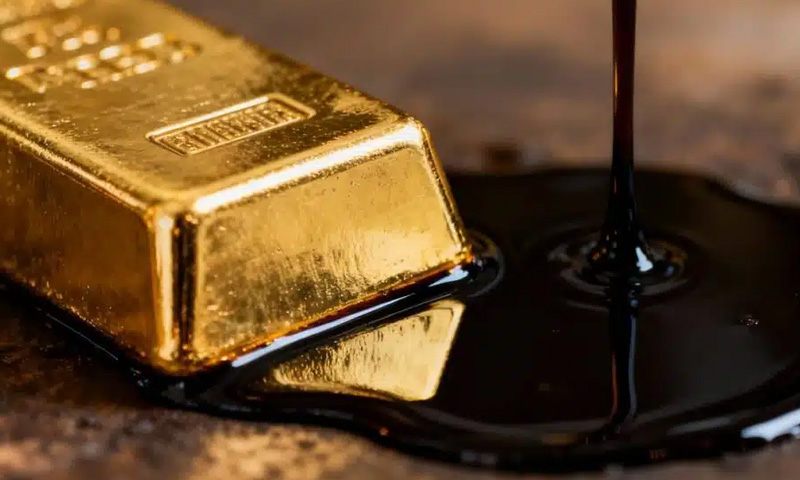
Gold prices declined in international markets on Monday while oil prices extended gains after negotiations between the United States and Iran appeared to stall, increasing concerns over prolonged instability in the Middle East and disruptions to global energy supplies.
According to Arab media reports, spot gold prices fell by 0.6 per cent, while US gold futures dropped 0.8 per cent during trading. Market analysts said the decline in gold came as investors shifted attention toward surging oil prices and growing fears surrounding the ongoing conflict in the Gulf region.
Crude oil prices rose sharply after hopes for an immediate diplomatic breakthrough between Washington and Tehran weakened. Experts said the continued deadlock between the two countries, particularly over the Strait of Hormuz, has heightened uncertainty in global energy markets and pushed oil prices upward.
The latest market reaction followed US President Donald Trump’s rejection of Iran’s counterproposal to a US-backed peace initiative aimed at ending the weeks-long conflict. Trump described Tehran’s response as “totally unacceptable,” further raising fears that negotiations could collapse entirely.
Iran’s proposal reportedly included demands for an end to hostilities, removal of US sanctions and blockades, compensation for war-related damages and guarantees regarding its sovereignty over the Strait of Hormuz. Tehran also called for secure navigation through the strategic waterway and the lifting of restrictions on Iranian oil exports.
The Strait of Hormuz remains one of the most sensitive flashpoints in the conflict. Before tensions escalated earlier this year, the narrow passage handled nearly 20 per cent of global oil and liquefied natural gas shipments. Shipping activity through the route has slowed considerably amid security concerns and repeated regional flare-ups.
Analysts said higher crude prices placed additional pressure on gold markets, as investors weighed the economic impact of rising energy costs and the possibility of prolonged geopolitical instability. Market participants are now closely monitoring upcoming diplomatic engagements, including Trump’s expected discussions with Chinese President Xi Jinping later this week, where the Iran crisis is expected to be a key topic.
Despite diplomatic efforts, tensions across the region remain elevated. Security incidents involving drones and shipping routes in the Gulf, along with ongoing clashes between Israel and Hezbollah in southern Lebanon, continue to fuel concerns over broader regional instability and its impact on global markets.