- Web
- 7 Hours ago
Middle East conflict: 200 US troops wounded as regional tensions escalate
-

- Web Desk
- Mar 17, 2026
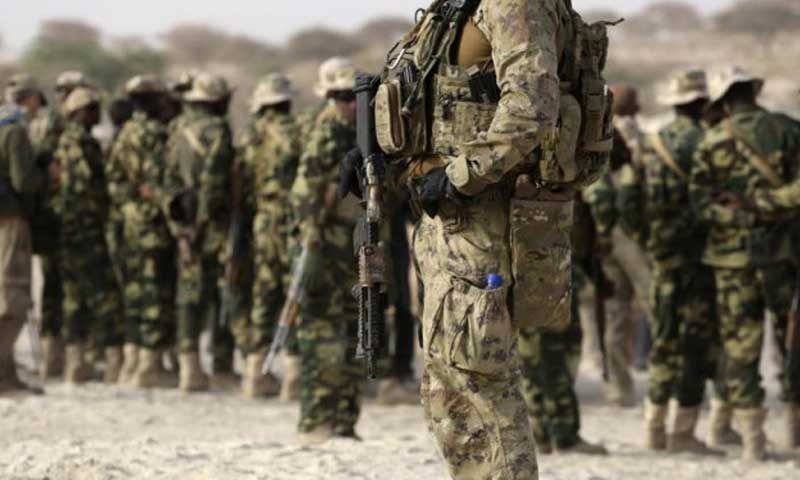
WEB DESK: Captain Tim Hawkins, representing US Central Command, noted that while the figure is significant, the “vast majority” of injuries recorded were minor. According to official figures, more than 180 of the affected personnel have already returned to active duty.
However, the situation remains grave for a small number of service members, with ten individuals currently categorised as seriously wounded.
According to the Express Tribune, the geographic spread of the casualties underscores the widening nature of the conflict. Injuries have been reported in Bahrain, Iraq, Israel, Jordan, Kuwait, Saudi Arabia, and the United Arab Emirates.
This update follows a Pentagon report from 10 March, which had previously capped the number of wounded at 140. To date, 13 US troops have lost their lives seven as a result of direct attacks and six following a military aircraft crash in Iraq.
A massive air campaign and Tehran’s response
The current escalation began on 28 February, when US and Israeli forces initiated a large-scale air campaign directed at Iranian targets. Tehran has since retaliated with successive waves of missile and drone strikes. These counter-attacks have specifically targeted nations within the region that host American military installations or personnel, turning much of the Middle East into a volatile theatre of operations.
The human cost of the campaign has been stark. Iranian Foreign Minister Abbas Araqchi has claimed that at least 2,000 people have been killed across the region since the initial strikes in late February.
Among the dead, he highlighted the tragic loss of at least 200 children within Iran, a figure that continues to fuel international concern regarding the humanitarian impact of the ongoing strikes.
Contradictory intelligence and the road ahead
The intensity of the conflict has also brought political scrutiny to the forefront. Recent reports suggest that US intelligence had previously warned the Trump administration of Iran’s capability to strike Gulf allies, a revelation that appears to contradict earlier claims that such responses would be a “surprise.”
As the air campaign continues, the focus remains on whether diplomatic channels can be reopened or if the region faces a further descent into prolonged warfare.
You May Also Like