- Web
- Mar 18, 2026
Middle East strikes disrupt oil, gas across the region
-

- Web
- Mar 02, 2026
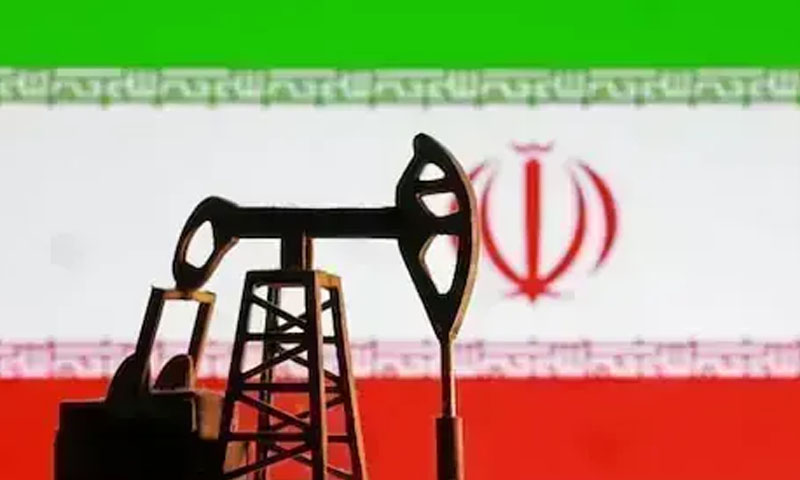
In a terrific development, key Middle East countries have stopped producing Liquefied Natural Gas (LNG) facilities after a series of Iranian drone attacks. Qatar has stopped production at its huge LNG facilities after a series of Iranian drone attacks, as tensions in the Middle East continue to escalate. The shutdown is a major blow as Qatar produces around 20 per cent of the world’s LNG, a critical fuel for both Asia and Europe.
The unrest has now entered its third day, affecting energy operations across the region. Saudi Arabia’s largest domestic oil refinery was temporarily closed after a drone strike, most oil production in Iraqi Kurdistan has been paused, and several Israeli gas fields have been shut down, delaying exports to Egypt.
State-owned QatarEnergy, whose customers are mostly in Asia, is expected to declare force majeure on LNG shipments after drones targeted its sprawling Ras Laffan complex. The site contains massive “gas trains” that supercool natural gas into liquid form for shipping. Meanwhile, drones also struck the Mesaieed industrial zone in southern Qatar, home to petrochemical and manufacturing facilities.
Energy markets reacted sharply: European natural gas prices surged 46 per cent, while oil jumped more than 13 per cent intraday, rising above $82 a barrel, the highest since January 2025. The conflict has slowed shipping in the Strait of Hormuz, through which roughly a fifth of the world’s oil passes.
The Ras Tanura refinery, which processes 550,000 barrels per day and serves as a key export terminal, was shut down as a precaution. Two drones were intercepted at the facility, causing a small fire but no injuries. Some units remain offline, but local fuel supplies have not been affected.
Oil companies, including DNO, Gulf Keystone Petroleum, Dana Gas, and HKN Energy, have halted production at their fields as a safety measure. No damage has been reported. The region normally exports around 200,000 barrels per day to Turkey.
Offshore gas operations have been temporarily suspended. Chevron paused work at the Leviathan gas field while Energean stopped production at smaller fields. These facilities are safe, but the shutdown delays part of a $35 billion export deal to Egypt.
Explosions were reported on Kharg Island, which handles 90 per cent of the country’s crude exports. The impact on production remains unclear. Iran is OPEC’s third-largest producer, pumping roughly 3.3 million barrels of crude per day, plus 1.3 million barrels of other liquids.
Analysts see these attacks as a major escalation. Torbjorn Soltvedt of risk intelligence firm Verisk Maplecroft said the targeting of Ras Tanura shows Gulf energy infrastructure is now in Iran’s sights, and could push Saudi Arabia and its neighbours closer to joining US and Israeli military actions against Tehran.
Historically, Saudi Arabia’s energy facilities have been hit before, including the Abqaiq and Khurais plants in 2019, which temporarily cut more than half of the kingdom’s crude production, and Ras Tanura itself, which was attacked by Iran-aligned Houthis in 2021.
You May Also Like