- Web
- 14 Minutes ago
Muhammad Yunus bows out; Tarique Rahman to become PM as interim government steps aside
-

- Web Desk
- Feb 17, 2026
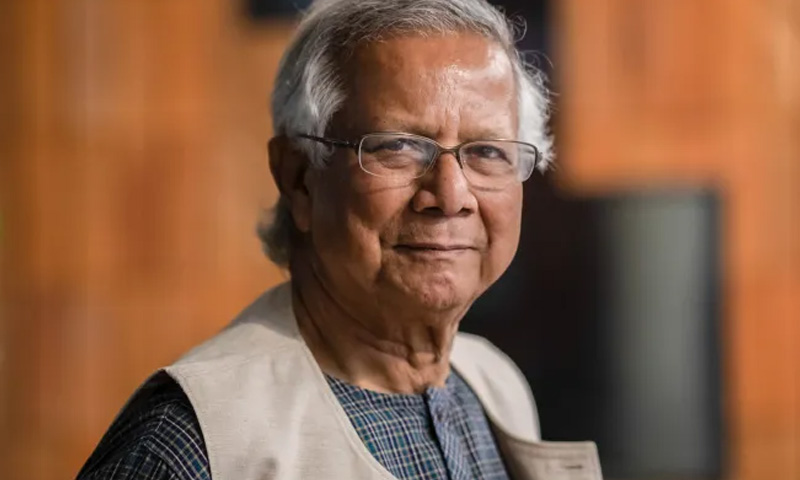
DHAKA: Bangladesh’s interim leader Muhammad Yunus has stepped down, marking the end of the caretaker administration that has governed the country since the 2024 uprising. In a televised address on Monday, the 85-year-old Nobel Peace Prize winner confirmed that the interim government was relinquishing power following last week’s general election.
“Today, the interim government is stepping down,” Yunus said, urging the nation to safeguard the democratic freedoms restored after the uprising. “Let the practice of democracy, freedom of speech and fundamental rights that has begun not be halted.”
Yunus returned from self-imposed exile in August 2024 after a student-led movement ousted former prime minister Sheikh Hasina, who fled the country. Since then, he has served as “chief adviser,” overseeing a transitional period aimed at stabilising the political system and preparing for fresh elections.
Bangladesh held its first national vote since the upheaval on February 12. The opposition Bangladesh Nationalist Party (BNP), led by Tarique Rahman, secured a decisive victory, winning 212 of the 300 parliamentary seats. The Jamaat-e-Islami-led alliance took 77 seats and is set to form the main opposition. Hasina’s Awami League did not participate in the polls.
Rahman, 60, is expected to be sworn in as prime minister after newly elected lawmakers take their oaths on Tuesday (today). Calling for unity, he said that despite political differences, all sides must work together in the national interest.
Yunus congratulated the BNP on its landslide win and praised voters and institutions for delivering what he described as a credible and well-managed election. European Union observers similarly characterised the vote as orderly and competitive, setting what Yunus called a “benchmark for future elections.”
Alongside choosing a new parliament, voters also endorsed sweeping constitutional and governance reforms through a national referendum. The reform package, known as the “July Charter,” proposes term limits for prime ministers, the creation of an upper house of parliament, expanded presidential powers and stronger judicial independence. The charter forms a central pillar of Yunus’s transition agenda and, if ratified by the new parliament, would bind the incoming government to its provisions.
“We did not start from zero. We started from a deficit,” Yunus said, reflecting on the transitional period. “Sweeping away the ruins, we rebuilt institutions and set the course for reforms.”
Despite the largely peaceful conduct of the vote, police reported that campaign-related clashes left five people dead and more than 600 injured. Political analysts say the incoming administration’s immediate challenges will include maintaining law and order, ensuring good governance and fulfilling the reform promises that emerged from the 2024 mass uprising.
With the interim chapter now closed, Bangladesh enters a new political phase under an elected government tasked with consolidating democratic gains and addressing lingering instability.
You May Also Like