- Web
- 2 Hours ago
Murree Brewery breaks 50-year export ban, sets sights on global markets
-

- AFP
- Dec 24, 2025
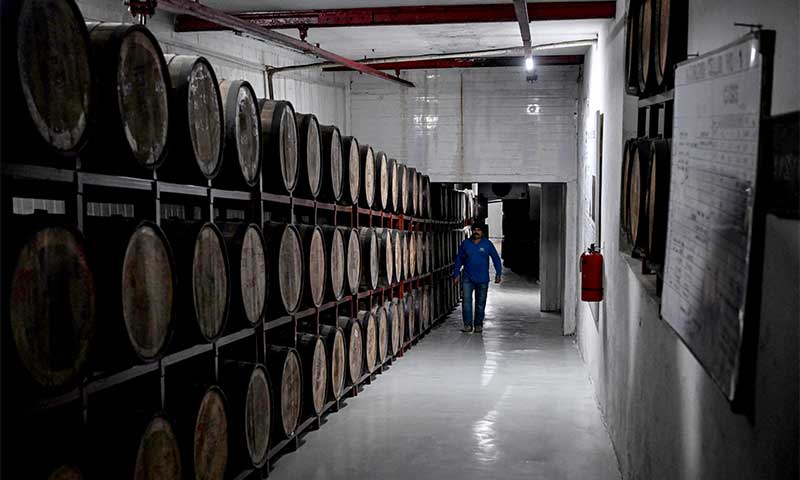
RAWALPINDI: Inside Pakistan’s largest and oldest brewery, the air is thick with the smell of malt and yeast as bottles and cans roll steadily off the production line, a striking sight in a country where alcohol is largely prohibited. Now, Murree Brewery is preparing for a new chapter after securing permission to export its products for the first time in almost half a century.
Founded in 1860 to serve British troops and colonial administrators, Murree has endured decades of strict regulation and religious opposition to emerge as one of Pakistan’s most recognisable companies. For its chief executive, Isphanyar Bhandara, the export licence represents a long-sought breakthrough.
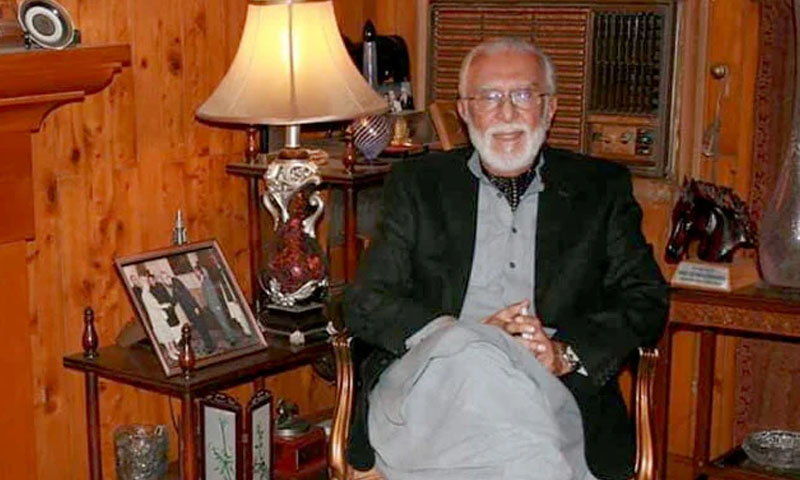
“It’s been a tough, unpredictable journey,” Bhandara, the third generation of his family to run the business, said in an interview. “This approval is a moment of real satisfaction. My grandfather and my late father tried for years to get export permission but never succeeded, largely because of the country’s religious sensitivities.”
Bhandara said his determination hardened in 2017, when a Chinese-operated brewery was allowed to produce beer in Pakistan, primarily to supply Chinese nationals working on major infrastructure projects. The decision, he said, highlighted inconsistencies in policy and prompted him to intensify lobbying to lift Murree’s export restrictions.
The company’s red-brick complex, once located in the hills near Islamabad, now stands opposite the army chief’s residence in Rawalpindi, one of the most secure neighbourhoods in the country. Despite operating in a tightly regulated market, Murree reported revenue exceeding $100 million in the last fiscal year. Alcoholic beverages contributed slightly more than half of that total, with the rest coming from non-alcoholic drinks and bottle manufacturing.
Those figures are particularly notable given that Muslims are legally barred from buying alcohol. Only non-Muslim minorities, estimated at around nine million people, and foreigners can purchase beer or spirits through licensed outlets and high-end hotels. Yet alcohol consumption, though officially taboo, has long existed beneath the surface of Pakistani society.
Several of the country’s prominent historical figures were known to drink, including Pakistan’s founder Muhammad Ali Jinnah and former military ruler Pervez Musharraf. Even Zulfikar Ali Bhutto, who imposed the alcohol ban in 1977 to court Islamist support, once publicly acknowledged his own drinking while defending his politics.
Today, alcohol often finds its way to private gatherings through informal channels, usually purchased by non-Muslims on behalf of Muslim friends. Commentator Fasi Zaka likens the country’s relationship with alcohol to an open secret, frowned upon but widely understood.
That shadow market comes at a cost. Many Muslim drinkers rely on bootleg liquor or homemade alcohol, and deaths from methanol poisoning are reported almost every year. One bootlegger in Islamabad said bribes and risk have become part of the trade, driving prices higher for customers and sellers alike.
Before exports were halted decades ago, Murree sold its products across the region and beyond, including in India, Afghanistan, Gulf states and even the United States. Bhandara recalled that the company once shipped beer to Kabul, a notion that now seems improbable under Taliban rule.
Since receiving export approval, Murree has begun small trial shipments to countries such as Japan, Britain and Portugal, focusing on building distribution networks rather than immediate profits. Europe is a key target, though the company is also exploring opportunities in Asia and Africa.
With around 2,200 employees, Murree sees overseas sales as a chance not just to grow, but to tell its story. Advertising alcohol remains banned at home, forcing the company to operate quietly in the domestic market.
“We can’t promote ourselves here,” Bhandara said. “So we concentrate on doing one thing well, making good beer, and now, finally, taking it beyond Pakistan’s borders.”
You May Also Like