- Web Desk
- Jan 31, 2026
NDC calls for release of political prisoners, end to cases for talks
-

- Web Desk
- Jan 07, 2026
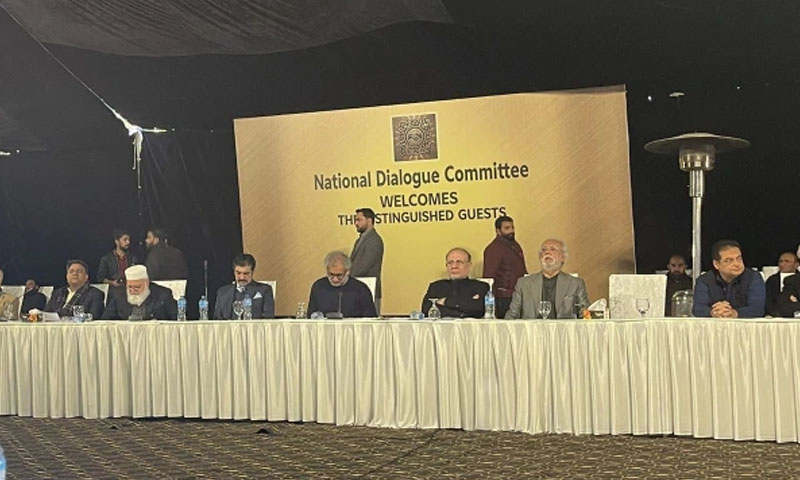
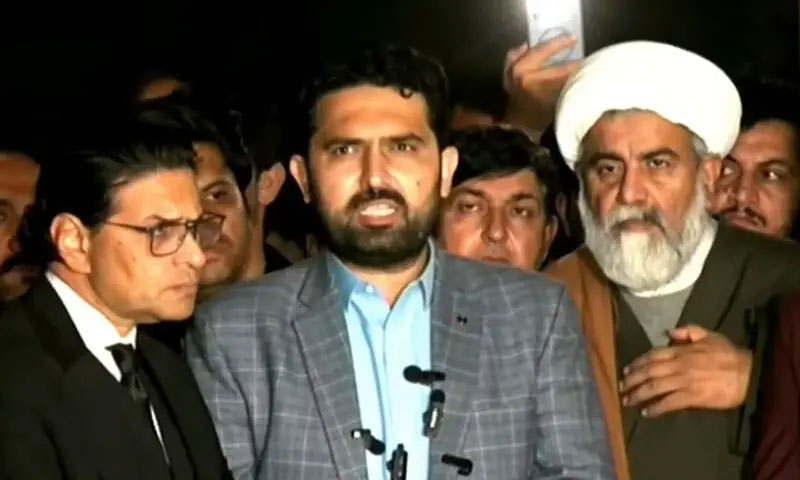
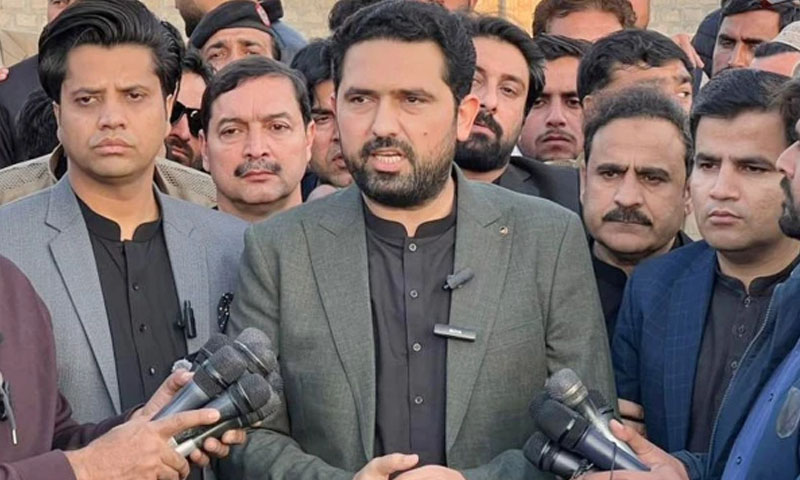
ISLAMABAD: The National Dialogue Committee (NDC) on Wednesday issued a statement calling for the formation of government and opposition committees to facilitate talks, granting the opposition access to political prisoners, releasing political workers, ending political cases, and lifting media censorship.
According to a communique, the first session of the National Dialogue Conference was held at the residence of former leader of former opposition leader in Senate Shehzad Wasim in Islamabad.
The conference brought together political parties, lawyers, and intellectuals to discuss procedures for dialogue and measures to reduce political tension.
Former federal minister Fawad Chaudhry briefed participants on the committee’s agenda and proposed roadmap.
Former prime minister Shahid Khaqan Abbasi, former Sindh governor Imran Ismail, JI leader Liaquat Baloch, Wasim Akhtar, Barrister Saif Ali Khan, Mahmood Maulvi, PTI founding member Hafeezullah Niazi, General (retd) Naeem Lodhi, Faisal Chaudhry, Sher Afzal Marwat and others attended the session.
Imran Ismail said that Pakistan’s international standing had improved, adding that political stability could only be achieved through dialogue.
He called for unity in the fight against terrorism and urged political leaders to avoid labeling opponents as traitors.
Imran Ismail said that the National Dialogue began a month ago and has now become a formal committee. He noted that Pakistan’s current political situation is not normal and stressed the need for collective effort to put the country on the path of development.
Hafeezullah Niazi said that it was important to determine the extent to which PTI founder Imran Khan could cooperate, expressing hope for a resolution.
Express News Bureau Chief Amir Ilyas Rana said that the media had often presented itself as compromised, citing repeated discussions on elections and the RTS system, while the real stakeholders are the people of Pakistan. He added that Imran Khan had not been told the truth so far and that PTI members feared internal complaints.
General (retd) Zahid highlighted that sacrifices made by police and armed forces in the fight against terrorism were for Pakistan, and said the blood of martyrs would not go to waste.
Journalist Alina Shigri said that groups like Tehreek-e-Tahaffuz-e-Aain Pakistan and PTI should also participate in the dialogue.
Barrister Saif Ali Khan said that political divisions have created mistrust, and that obstacles were placed to prevent PTI founder Imran Khan from contributing to stability. He stressed creating a conducive environment for dialogue.
Supreme Court Bar Association President Haroon Rasheed said that political parties must unite, strengthen themselves, and respect constitutional limits, recalling that the judiciary had welcomed military rulers in the past.
PTI National Assembly member Sher Afzal Marwat said Pakistan had never truly engaged with the concept of national security and emphasized that dialogue should not focus only on the release of jailed leaders, but on fundamental governance issues.
He said that elected representatives must work for the public and avoid partisan disputes.
MQM leader Wasim Akhtar said that the people, not political parties, were bearing the brunt of governance failures.
JI leader Liaquat Baloch stressed that dialogue should address missing persons, press freedom, inter-provincial coordination, and recognition of the public mandate.
Committee statement
Fawad Chaudhry read the NDC’s statement, which said both government and opposition committees should be formed for dialogue.
The government committee should be formed by Prime Minister Shehbaz Sharif, former prime minister Nawaz Sharif and President Asif Ali Zardari while the opposition committee should be allowed to meet political prisoners.
The statement said the opposition committee should advance dialogue in consultation with political prisoners, and the appointment of opposition leaders in the Senate and National Assembly should happen immediately.
Female political workers should be released promptly, and ending cases against political activists would increase trust in government negotiations.
It also called for an end to media censorship and for permission to conduct political activities freely.
Prayers were offered for martyrs, and participants agreed to continue the dialogue process. The next committee session will be held in Multan.
You May Also Like