- Web Desk
- Yesterday
NEPRA approves power tariff hike by up to PKR 7.50 per unit
-

- Hum News
- Jul 26, 2023
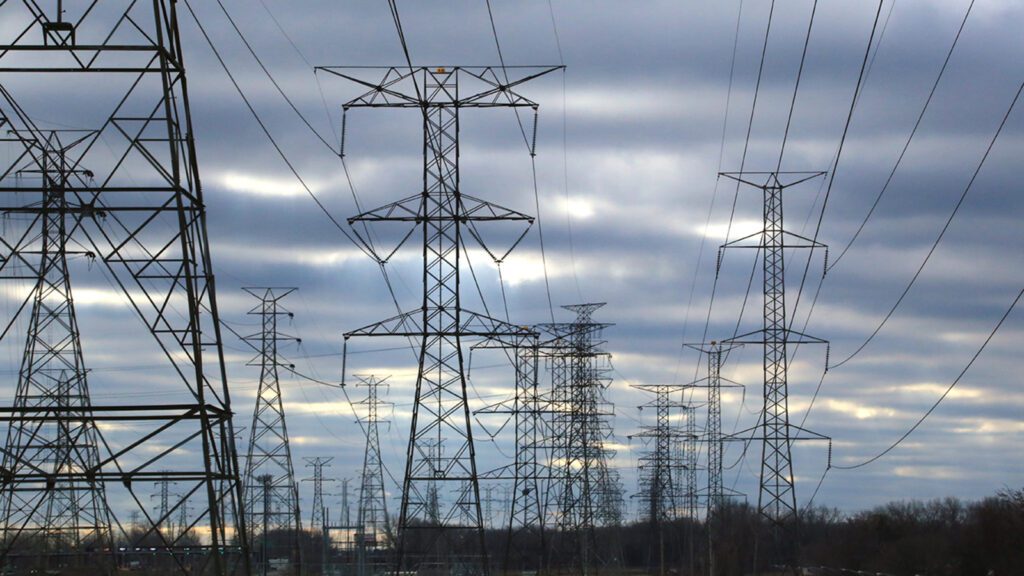
ISLAMABAD: The National Electric Power Regulatory Authority (NEPRA) has granted approval to the government’s request to jack up the basic tariff of electricity by up to PKR 7.50 per unit.
According to the media reports, lifeline customers will be exempted from the increased prices, whereas, protected customers consuming up to 200 units per month will also be spared from the price hike.
Read More: NEPRA approves electricity price hike of Rs1.90 per unit
As per the reports, the cabinet had approved the summary of the increased electricity prices and the new rates are set to take effect from July 1.
Meanwhile, the hike in electricity rates amounts to PKR 3 per unit for domestic consumers using 100 units, while the consumers using 101 to 200 units will face a tariff increase of PKR 4 per unit.
As per the reports, the customers consuming 201 to 300 units will experience an increase of PKR 5, while those using 301 to 400 units will be charged at PKR 6.5 per units.
Rising costs
Pakistan has been facing a challenge of high electricity prices for the past decade, despite increasing its installed capacity and diversifying its generation mix.
One of the main reasons for the high tariffs is the capacity charge component, which is a fixed cost paid to power producers regardless of their actual output.
The capacity charge has quadrupled from PKR 2.49 per unit in 2015 to PKR 9.77 in 2021, according to a report.
The report also cited transmission and distribution losses, prior-year adjustments, and exchange rate fluctuations as other factors contributing to the rising costs.
The government has been trying to renegotiate some of the power purchase agreements with independent power producers (IPPs) to reduce the capacity charge and improve efficiency.
However, some of the IPPs have challenged the government’s move in courts, creating uncertainty and delays.
The government has also been facing pressure from the International Monetary Fund (IMF) to phase out subsidies and rationalise tariffs to reduce the circular debt in the power sector.
The circular debt refers to the gap between the cost of electricity generation and recovery from consumers, which accumulates as arrears in the system.
You May Also Like