- Web Desk Faizan Khan
- 1 Hour ago
Net metering policy under review: purchase price for solar units could be slashed
-

- Web Desk
- Feb 02, 2026
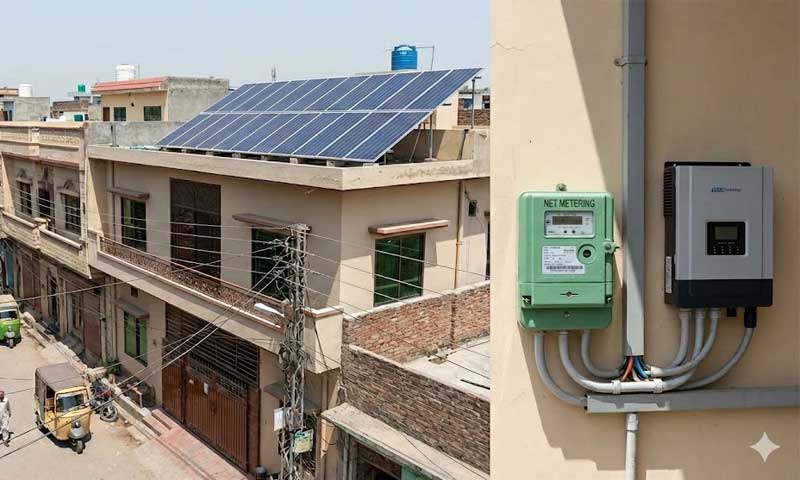
ISLAMABAD: The federal government has finalised amendments to the net metering policy, a move that lowers the rate at which electricity generated by solar consumers is purchased, potentially affecting the financial incentives for households and businesses investing in solar energy.
The National Electric Power Regulatory Authority (NEPRA) has scheduled a public hearing on February 6 to review objections submitted by consumers and industry stakeholders regarding the proposed changes. NEPRA had issued a draft of the amendments on December 16 and sought feedback within 30 days, with the final decision expected after the public hearing.
Under the proposed net billing system, the price of electricity exported to the national grid is set at Rs 11 per unit, and unit-to-unit relief will no longer be provided. If approved, consumers will receive separate bills for national tariff and exported units, marking a significant departure from the current billing system for solar users.
The latest amendments follow a prior reduction in the net metering purchase price, which fell from Rs 27 to Rs 25.32 per unit, a cut of 66 paise per unit, approved by NEPRA and effective for consumer bills from this month. Power companies have warned that the rate cut will directly reduce the credits solar consumers receive on their electricity bills, potentially straining households and businesses that have invested in solar systems.
Experts caution that the reductions could slow the growth of renewable energy adoption in Pakistan. “Reducing the purchase price not only decreases consumer benefits but may also undermine efforts to promote sustainable energy,” said one analyst. Rising solar panel prices in the country further challenge consumers hoping to offset costs and earn returns through renewable energy initiatives.
The government has defended the changes as part of broader efforts to reduce energy sector costs and improve the efficiency of the tariff system, though solar consumers and industry stakeholders continue to express reservations.
You May Also Like