- Web
- 59 Minutes ago
Netanyahu slammed after ‘strangle’ remarks in regional security address
-

- Web
- 1 Minute ago
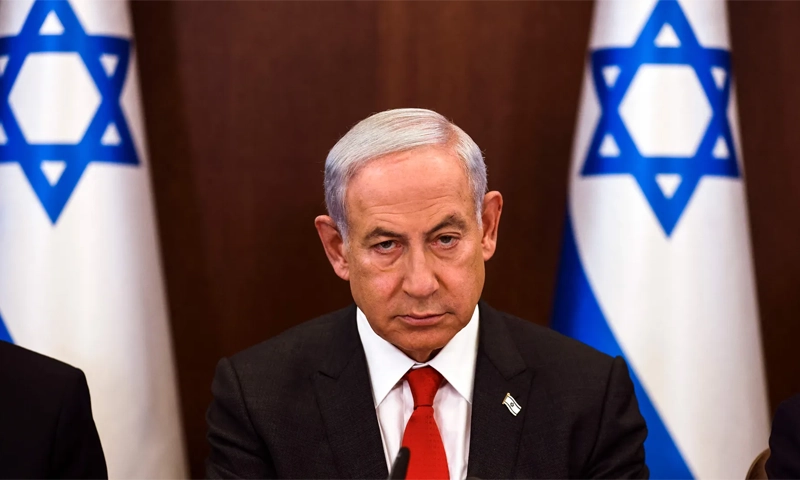
Social media erupted in criticism following a regional security address by Israeli Prime Minister Benjamin Netanyahu, where he used forceful language describing Israel’s ongoing confrontations with multiple adversaries across the Middle East.
Speaking in front of a map during the address, Netanyahu characterised Israel’s regional struggle as a long-running conflict involving Iran and its allied groups in Gaza, Lebanon, Syria, Iraq, and Yemen.
Regarding these countries, Netanyahu claimed these forces had previously sought to “strangle” Israel, but said the situation had now shifted, stressing that Israel had turned the pressure back on its enemies while continuing military operations.
The remarks also included reference to reported diplomatic movement with Lebanon, with Netanyahu saying that Beirut had recently expressed interest in direct peace talks, an unusual development given the long-standing absence of formal relations.
He said he had approved the initiative under specific conditions aimed at securing what he described as a “lasting peace agreement,” though he emphasized that the broader campaign was ongoing.
However, it was his repeated use of the word “strangle” that triggered widespread backlash online. Critics on social media accused him of using inflammatory and dehumanising rhetoric, arguing that such language risks further escalating an already volatile regional situation.
Posts circulating online included strong condemnations from users who linked the comments to broader grievances over the humanitarian impact of conflicts in Gaza and Lebanon.
Some demanded greater international accountability, while others expressed anger and frustration at the lack of intervention from global institutions.
The controversy underscores the deep polarisation surrounding the conflict, where diplomatic signals and military rhetoric continue to collide, shaping both public perception and international debate.
You May Also Like