
- Web Desk
- 4 Minutes ago
New electricity tariff pushes costs onto consumers, eases pressure on Industry
-

- Web Desk
- Feb 07, 2026
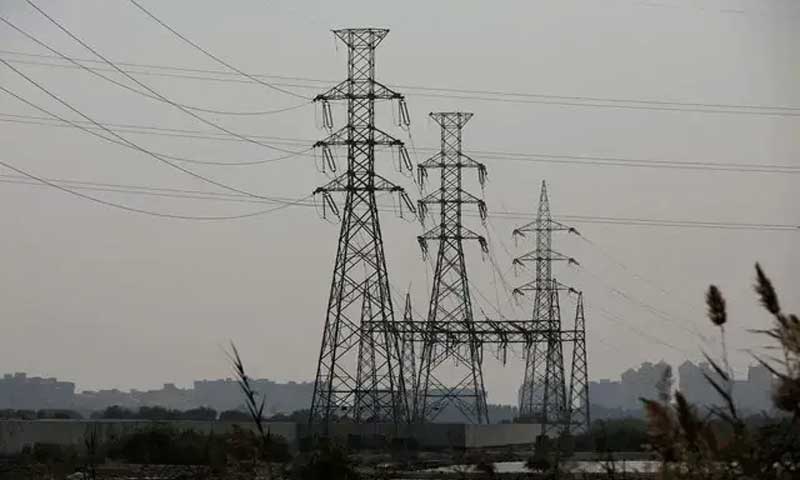
WEB DESK: The federal government has proposed imposing monthly fixed charges ranging from Rs200 to Rs675 on more than 28.5 million residential electricity consumers to generate around Rs125 billion and finance a relief package for industrial users, including a Rs4.04 per unit tariff cut.
The revised Schedule of Tariff (SoT) was submitted to the National Electric Power Regulatory Authority (Nepra) on Friday and has been placed on notice for a public hearing at the earliest possible date. Officials, however, stressed that the exercise is largely procedural, as Nepra is bound to follow government policy guidelines.
Cabinet approval and revenue impact
According to the Power Division, the imposition of fixed charges, excluding lifeline consumers using less than 100 units per month, was approved by the federal cabinet on February 4. The move comes less than three weeks after the national average tariff was notified on January 12, a decision that effectively denied consumers a 62-paise per unit reduction.
The new tariff structure is expected to generate Rs106 billion through tariffs and an additional Rs19 billion in sales tax. This would allow the government to reduce industrial cross-subsidies while remaining within the IMF-approved budgetary subsidy ceiling.
How the new slabs will work
Under the proposed plan, protected consumers using up to 100 units will pay a fixed Rs200 per month, while those consuming up to 200 units will be charged Rs300, provided they maintain their consumption level for six consecutive months.
Non-protected consumers crossing the 100-unit threshold will face a fixed charge of Rs275, with higher slabs rising to Rs675 for households consuming over 500 units per month. This highest slab will affect approximately 0.41 million consumers.
The Power Division said the changes reflect the grid’s high fixed costs and aim to address structural distortions caused by heavy reliance on volumetric tariffs, which have disproportionately burdened some consumers and encouraged a shift toward off-grid solar solutions.
Fuel cost adjustment and business backlash
Separately, Nepra approved a net fuel cost increase of Rs1.21 per unit for February electricity bills, following the expiry of a 93-paise negative adjustment applicable in December 2025. The Power Division noted that the number of subsidised and low-income consumers has more than doubled to 21 million over the past three years, offsetting earlier per-unit relief.
The decision triggered criticism from business groups, including the textile sector and the Federation of Pakistan Chambers of Commerce and Industry. In response, the prime minister later announced a Rs4.04 per unit tariff cut for export-oriented industries.
Shift to calendar-year tariff rebasing
Going forward, electricity tariff rebasing will take place on a calendar-year basis starting January 1 instead of the fiscal year. Authorities say the change will help avoid sharp price increases during peak summer consumption months.
The total revenue requirement for distribution companies this year stands at Rs3.379 trillion, with Rs249 billion earmarked for budgetary subsidies.
You May Also Like