
- Aasiya Niaz
- 3 Minutes ago
New mpox case reported in Multan
-

- Web Desk
- Feb 19, 2026
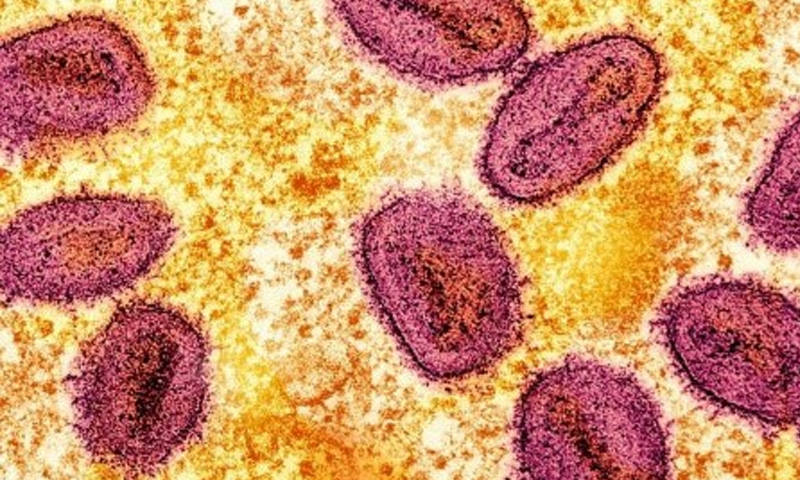
WEB DESK: : A new case of mpox has been reported in Multan, hospital authorities confirmed on Thursday.
A spokesperson for Nishtar Hospital said the patient is a 21-year-old woman from Shujaabad. She is currently receiving treatment at the hospital. The spokesperson added that Nishtar Hospital is currently treating two patients diagnosed with monkeypox, both under medical observation.
Authorities have urged the public to remain vigilant and follow recommended health guidelines to prevent the spread of the virus.
What is mpox?
Mpox, previously known as monkeypox, is a viral infection that can spread between people through close contact, including skin-to-skin or face-to-face interactions. It can also occasionally be transmitted via contaminated objects or surfaces, and from animals to humans in regions where the virus exists in wildlife. Following consultations with global experts, the World Health Organization (WHO) has adopted “mpox” as the preferred term.
Symptoms to watch for
Common symptoms include a rash that may last 2–4 weeks, often accompanied by fever, headache, muscle aches, fatigue, and swollen lymph nodes. Lesions can appear on the face, hands, feet, groin, genitals, anus, mouth, throat, or eyes, and can range from a single blister to several thousand. Severe disease can lead to complications such as bacterial infections, lung or brain inflammation, and may require hospitalization. Newborns, children, pregnant people, and those with weakened immune systems are at higher risk of serious illness.
How mpox spreads
Mpox spreads mainly through close personal contact, including sexual activity, or face-to-face interactions. The virus can persist on clothing, bedding, towels, electronics, and other surfaces, posing a risk if someone touches contaminated items and then their eyes, nose, or mouth. Transmission from animals to humans can occur through bites, scratches, or handling infected meat, while people with mpox are advised to avoid contact with pets or livestock to prevent spillback.
Who is at risk?
Anyone in close contact with an infected person or contaminated objects is at risk. Household members, caregivers, and health workers are particularly vulnerable, though proper infection prevention measures, including personal protective equipment and hygiene, can reduce the risk. Isolation and medical assessment are recommended for confirmed cases to ensure safe home care and prevent further transmission.
You May Also Like