- WEB DESK
- October 25, 2026
NIH warns of deadly heatstroke risk as extreme temperatures grip Pakistan
-

- Ehtisham Ul Haq
- June 9, 2026
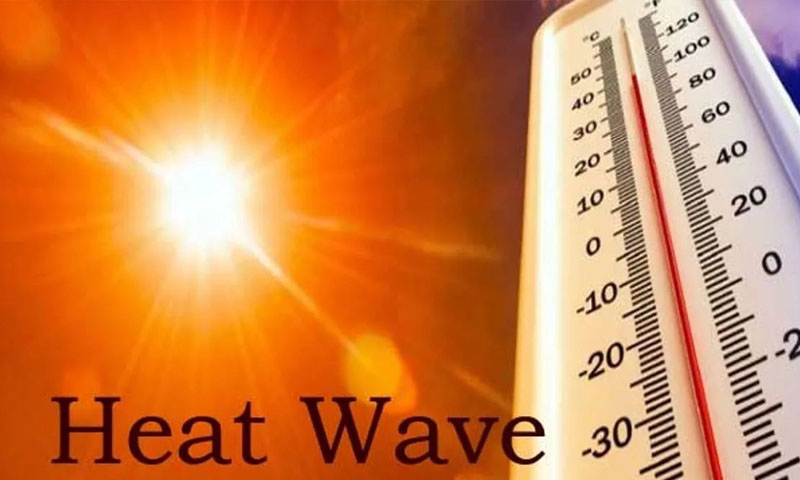
ISLAMABAD: The National Institutes of Health (NIH), Pakistan’s premier health agency, has issued a nationwide advisory warning that extreme summer temperatures could cause fatal organ damage within minutes, urging federal and provincial authorities to set up emergency medical centres to combat the growing impact of climate change.
The advisory, released by the Center for Disease Control (CDC) in Islamabad, asked health departments, hospitals, and district administrations to prepare for a surge in heat-related illnesses as global warming drives longer and more intense heatwaves across the South Asian nation.
“In recent years, Pakistan has experienced several severe heatwaves, resulting in widespread illness, loss of lives, and immense pressure on the healthcare system,” said Dr Mumtaz Ali Khan, head of the CDC-NIH, in the advisory.
He emphasised that timely preventive measures and rapid medical intervention are critical to preventing fatalities.
Severe Health Risks
The NIH warned that under extreme conditions, a person’s core body temperature can spike to 41.1°C (106°F) or higher within just 10 to 15 minutes if the body’s natural cooling mechanisms fail.
Such a rapid rise can lead to death or permanent damage to vital organs, including the brain, heart, and kidneys.
The health agency identified high-risk demographics most vulnerable to the severe weather, including the elderly and young children; pregnant women; outdoor labourers, athletes and individuals with pre-existing medical conditions
Emergency Directives and Symptoms
The NIH has advised local authorities to establish dedicated heatstroke centres and public first-aid facilities well ahead of anticipated temperature spikes.
Hospitals have been ordered to stock up on essential medical supplies, particularly intravenous (IV) fluids.
Health officials urged the public to recognise the early warning signs of heat exhaustion and dehydration, which include muscle cramps, nausea, vomiting, dizziness, and a rapid heartbeat.
Public Safety Guidelines
To mitigate the impact of the heatwaves, the NIH recommended immediate first-aid protocols for suspected victims, including moving them to shaded areas, removing excess clothing, and using fans, cool water, or ice packs to lower body temperature while awaiting emergency transport.
For the general public, the health agency issued the preventative guidelines asking people to increase water intake and consume salty foods to replenish lost electrolytes; wear hats and light-colored, lightweight, loose-fitting clothes; avoid direct sunlight during peak daytime hours and refrain from strenuous physical activity in hot or humid conditions.
You May Also Like